
PE Traffic Cone Manufacturer: A Complete Guide for Road Safety Buyers
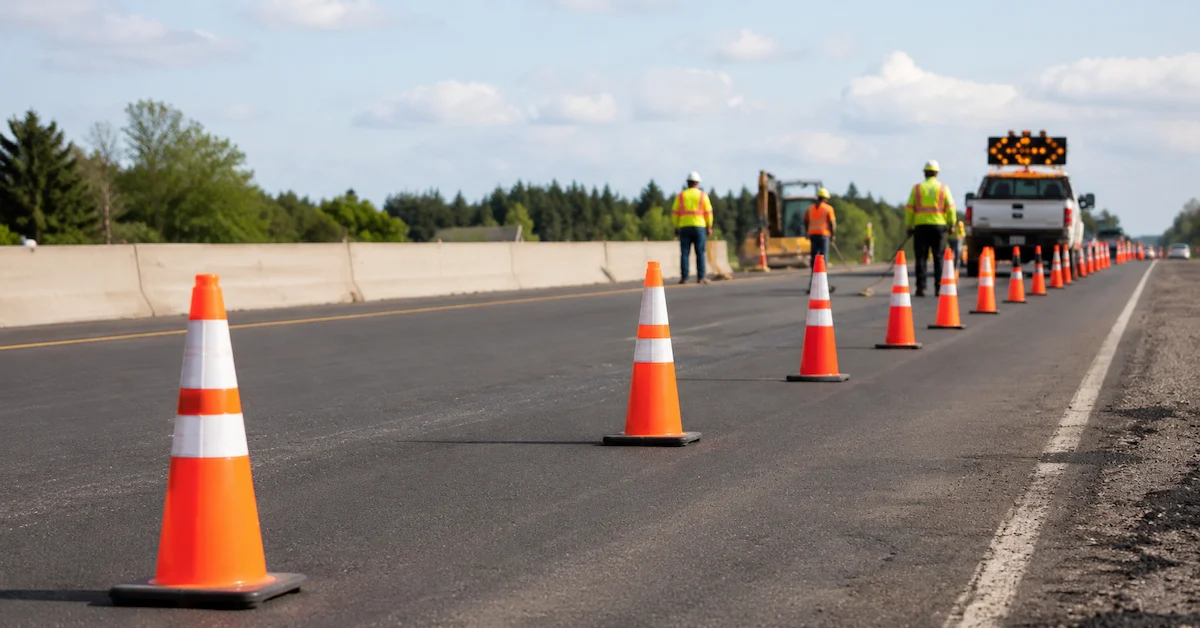
Traffic cones are essential safety products used to guide vehicles, separate work areas, control pedestrian movement, and improve visibility in temporary traffic management situations.
For road safety distributors, construction contractors, government projects, and industrial buyers, choosing the right PE traffic cone manufacturer is an important purchasing decision.
A reliable manufacturer should provide more than competitive pricing. Buyers need to evaluate:
- Material durability
- Product stability
- Reflective performance
- Manufacturing capability
- Quality control
- Customization options
- Delivery reliability
With increasing demand for professional traffic management solutions, working with an experienced PE traffic cone manufacturer helps businesses build a stable supply chain and reduce procurement risks.
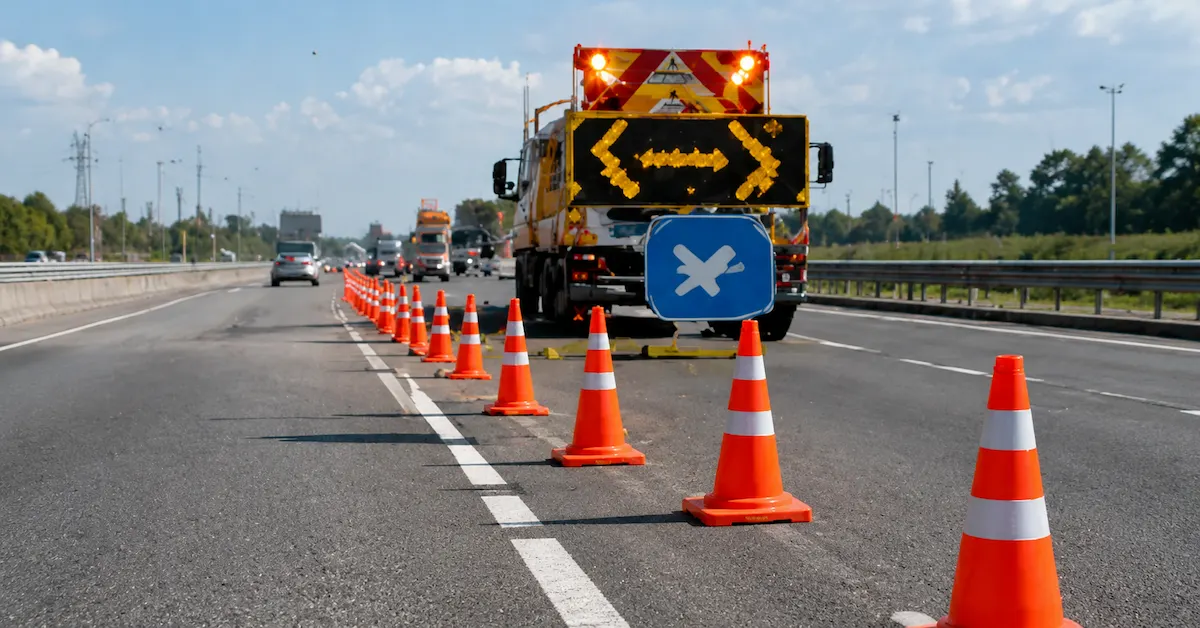
Why Choose PE Traffic Cones for Road Safety Applications?
PE (Polyethylene) is widely used in traffic safety products because of its durability, flexibility, and outdoor performance.
Compared with traditional materials, PE traffic cones provide several advantages:
| Feature | Benefit |
|---|---|
| High impact resistance | Helps maintain shape after impact |
| Lightweight structure | Easy transportation and installation |
| Weather resistance | Suitable for outdoor environments |
| Flexible material properties | Reduces cracking risks |
| Cost efficiency | Suitable for bulk safety projects |
For distributors and contractors, PE traffic cones offer a practical balance between durability, safety performance, and procurement cost.
Who Buys PE Traffic Cones in Bulk?
PE traffic cones are commonly purchased by organizations that require large quantities for safety management and traffic control.
Road Safety Equipment Distributors
Distributors purchase traffic cones as part of their safety product portfolio.
Their main concerns include:
- Stable supply
- Competitive pricing
- Product consistency
- Export capability
Construction Companies
Construction projects require traffic cones for:
- Road work zones
- Temporary barriers
- Equipment areas
- Worker protection
Government and Municipal Projects
Traffic management departments often require reliable safety products for:
- Public roads
- Maintenance projects
- Emergency response
Industrial Facilities
Factories and warehouses use traffic cones for:
- Internal traffic control
- Parking areas
- Safety zones
- Restricted areas
Event and Parking Management Companies
Traffic cones help manage:
- Vehicle flow
- Temporary parking
- Crowd control areas
PE Traffic Cone vs PVC Traffic Cone: What Is the Difference?
When sourcing traffic cones, buyers often compare PE and PVC materials.
| Comparison | PE Traffic Cone | PVC Traffic Cone |
|---|---|---|
| Material flexibility | High flexibility | Moderate flexibility |
| Impact resistance | Excellent | Good |
| Outdoor durability | Strong | Depends on formulation |
| Weight options | Easy to customize | Usually lighter |
| Common applications | Roads, construction, industrial areas | Temporary traffic control |
For professional road safety applications, PE traffic cones are often preferred because of their durability and ability to withstand repeated outdoor use.
Key Specifications to Confirm Before Ordering
Before selecting a PE traffic cone manufacturer, buyers should confirm product specifications based on application requirements.
Important factors include:
Cone Height
Common traffic cone sizes vary depending on application.
Selection depends on:
- Road type
- Visibility requirements
- Traffic conditions
- Local regulations
Base Design and Stability
The base affects:
- Wind resistance
- Product stability
- Safety performance
A stable base helps prevent cones from falling during outdoor use.
Reflective Sleeve Performance
Reflective materials improve visibility during:
- Night operations
- Low-light conditions
- Highway maintenance
- Emergency situations
Buyers should evaluate:
- Reflective brightness
- Adhesion quality
- Weather resistance
Color and Visibility
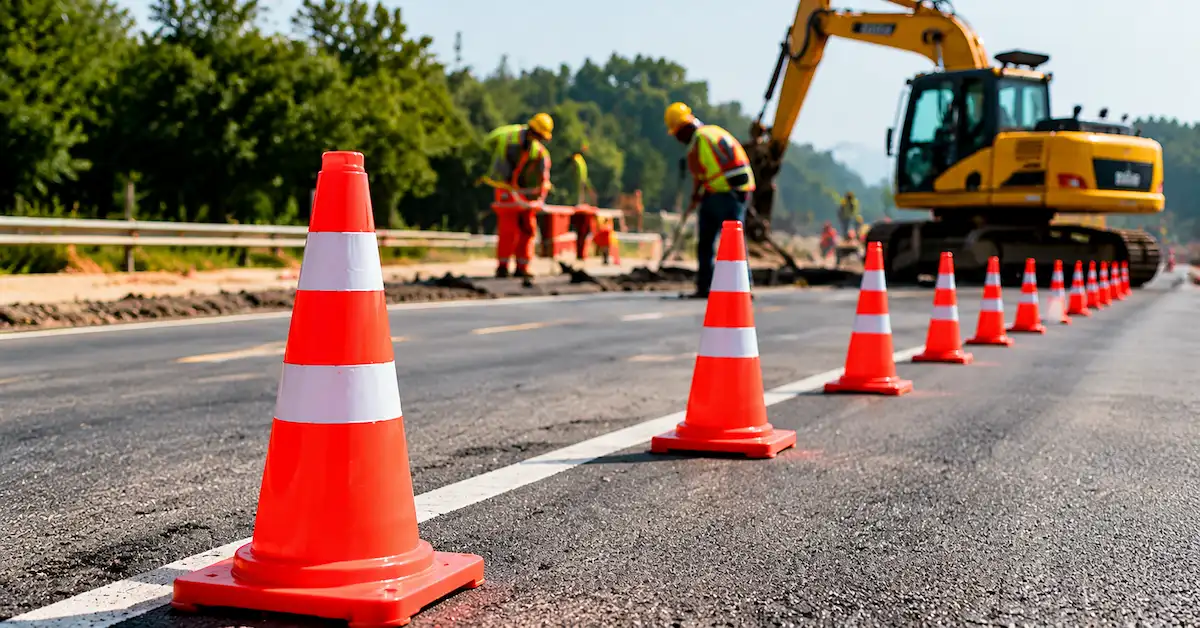
Traffic cones usually use highly visible colors such as orange to improve recognition.
Color consistency is important for:
- Brand presentation
- Safety identification
- Project requirements
Manufacturing Process of PE Traffic Cones
A professional PE traffic cone manufacturer should have a controlled production process.
The typical manufacturing process includes:
Material Preparation
High-quality PE materials are selected according to product requirements.
Material control affects:
- Durability
- Flexibility
- Outdoor performance
Molding Production
The PE material is processed into the cone body through manufacturing equipment.
Key controls include:
- Product thickness
- Shape consistency
- Surface quality
Base Assembly
The cone base is assembled to improve:
- Stability
- Weight distribution
- Outdoor performance
Reflective Sleeve Installation
Reflective components are added according to product requirements.
Manufacturers should ensure:
- Accurate positioning
- Strong adhesion
- Consistent appearance
Quality Inspection
Finished products should be checked before shipment.
Inspection may include:
- Appearance inspection
- Size verification
- Stability testing
- Reflective performance checking
Quality Control Standards for PE Traffic Cone Manufacturers
For B2B buyers, quality control is one of the most important supplier evaluation factors.
A reliable manufacturer should have a clear QC process.
| QC Stage | Inspection Purpose |
|---|---|
| Raw material inspection | Confirm PE material quality |
| Production monitoring | Maintain manufacturing consistency |
| Size inspection | Ensure specification accuracy |
| Base stability testing | Verify product performance |
| Reflective inspection | Confirm visibility quality |
| Final inspection | Check shipment readiness |
Before bulk orders, buyers should request:
- Product samples
- Technical specifications
- Inspection details
- Packaging information
Common Applications of PE Traffic Cones
PE traffic cones are used across multiple industries and environments.
Road Construction Areas
Used for:
- Lane separation
- Work zone marking
- Temporary traffic control
Highway Maintenance
Applications include:
- Repair areas
- Emergency zones
- Traffic diversion
Parking Management
Used in:
- Parking control
- Reserved areas
- Vehicle guidance
Industrial Facilities
Factories and warehouses use traffic cones for:
- Safety zones
- Vehicle routes
- Restricted areas
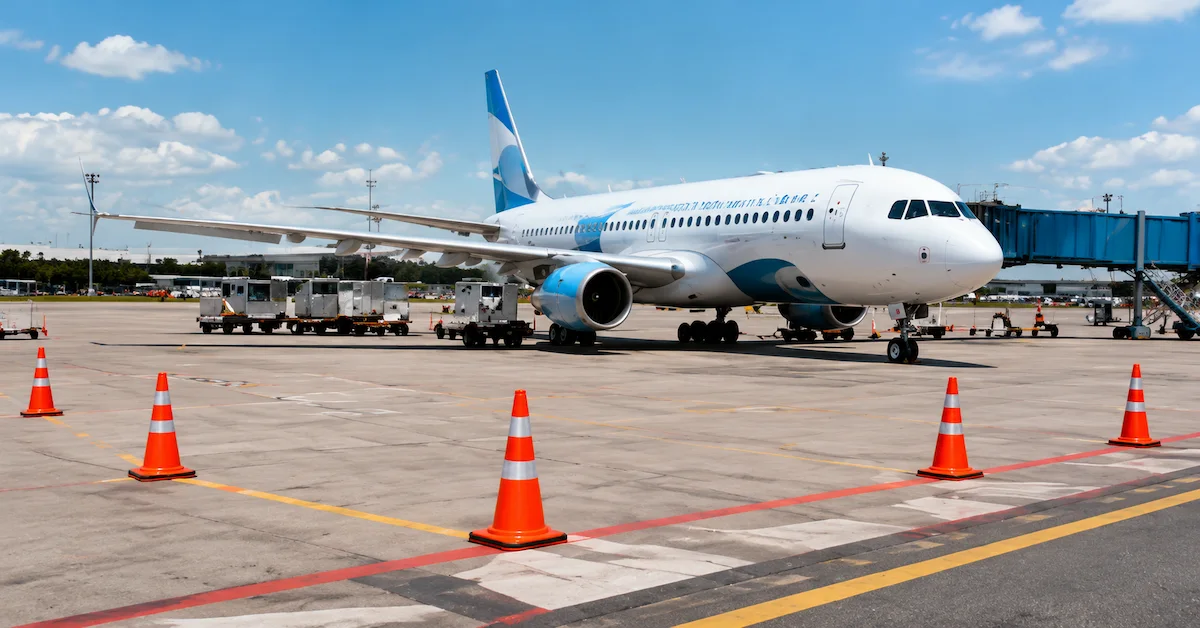
Airports and Transportation Areas
Traffic cones help manage:
- Vehicle movement
- Maintenance operations
- Restricted access zones
How to Choose a Reliable PE Traffic Cone Manufacturer
Selecting a manufacturer requires evaluating multiple factors.
Manufacturing Capability
Buyers should check:
- Factory experience
- Production capacity
- Equipment capability
- Export experience
A capable manufacturer should support both standard orders and customized projects.
Product Quality Management
Important questions include:
- How are materials inspected?
- How are production batches controlled?
- How are defects handled?
Customization Ability
Professional manufacturers may support:
- Custom colors
- Logo printing
- Packaging customization
- Private-label solutions
Delivery Reliability
For project-based buyers, delivery schedules are critical.
Manufacturers should provide:
- Clear lead times
- Production planning
- Shipment coordination
OEM and Custom PE Traffic Cone Solutions
Many distributors and safety brands require customized products.
OEM options may include:
- Brand logo
- Custom packaging
- Color requirements
- Product labeling
A complete OEM process usually includes:
- Requirement discussion
- Sample confirmation
- Production approval
- Quality inspection
- Bulk shipment
Customization allows distributors to create differentiated safety product solutions for their markets.
Common Mistakes When Buying PE Traffic Cones
Choosing Only the Lowest Price
Low-cost products may lead to:
- Poor durability
- Inconsistent quality
- Higher replacement costs
Ignoring Material Quality
Different PE materials can affect:
- Product lifespan
- Flexibility
- Outdoor performance
Not Checking Reflective Performance
Poor reflective quality can reduce visibility in important safety situations.
Ordering Without Sample Approval
Samples help verify:
- Appearance
- Size
- Stability
- Product quality
before mass production.
How to Request a Quote From a PE Traffic Cone Manufacturer
To receive an accurate quotation, buyers should provide:
- Product specifications
- Required quantity
- Application environment
- Target market
- Customization requirements
- Packaging needs
- Delivery location
A detailed inquiry helps manufacturers recommend suitable solutions. For bulk orders, OEM requirements, or customized traffic safety products, buyers can contact AOKE through our Contact Us page.
For additional workplace safety products, buyers can explore AOKE's Stock Safety Products category.
Why Partner With a Professional PE Traffic Cone Manufacturer?
For distributors and project buyers, supplier reliability is as important as product quality.
A professional manufacturer should provide:
- Stable production
- Consistent product quality
- Technical support
- Customization capability
- Reliable delivery
Long-term cooperation helps businesses maintain product availability and improve customer satisfaction.
You can learn more about AOKE's manufacturing capabilities through the About Us page.
Frequently Asked Questions
What is a PE traffic cone?
A PE traffic cone is a traffic safety product made from polyethylene material, designed for road control, construction zones, and industrial safety applications.
Why are PE traffic cones popular?
PE traffic cones are popular because they provide good impact resistance, flexibility, outdoor durability, and cost efficiency.
What industries use PE traffic cones?
They are widely used in road construction, highway maintenance, parking management, industrial facilities, airports, and public safety projects.
How do I choose a PE traffic cone manufacturer?
Evaluate manufacturing experience, material quality, QC procedures, customization capability, production capacity, and delivery reliability.
Can PE traffic cones be customized?
Yes. Manufacturers may provide custom colors, logos, packaging, and private-label solutions depending on project requirements.
What affects PE traffic cone pricing?
Pricing depends on material, size, base design, reflective requirements, quantity, customization, and packaging.
Are PE traffic cones suitable for outdoor use?
Yes. PE traffic cones are commonly designed for outdoor environments including roads, construction sites, and industrial areas.
What should I check before bulk ordering?
Buyers should check samples, specifications, quality standards, production capability, and supplier reliability.
How long does bulk production take?
Lead time depends on order quantity, customization requirements, production schedule, and manufacturer capacity.
Can traffic cones be purchased together with other safety products?
Yes. Many buyers source traffic cones together with warning posts, caution tape, safety barriers, and other workplace safety products.
Conclusion
Choosing the right PE traffic cone manufacturer requires careful evaluation of material quality, manufacturing capability, product performance, and supplier reliability.
For road safety distributors, contractors, and industrial buyers, the ideal supplier should provide durable products, consistent quality, customization support, and dependable delivery.
By selecting a professional PE traffic cone manufacturer, businesses can build a reliable supply chain and provide safer traffic management solutions for different applications.