
Why Choosing the Right Convex Safety Mirror Supplier Matters
Convex safety mirrors are widely used in locations where visibility is limited and additional visual assistance is required.
They help improve awareness in areas such as:
- Road intersections
- Parking entrances
- Warehouses
- Factories
- Loading areas
- Commercial facilities
- Industrial safety zones
For businesses purchasing in bulk, selecting a reliable convex safety mirror supplier is not only about product price.
A professional supplier should help buyers evaluate:
- Mirror material
- Reflection quality
- Viewing distance
- Weather resistance
- Installation method
- Application environment
- Packaging
- Delivery capability
- Product consistency
A poor-quality mirror may create problems such as unclear reflection, deformation, early aging, or unstable installation.
For distributors and project buyers, supplier reliability directly affects customer satisfaction and long-term business value.
Who Buys Convex Safety Mirrors?
Convex safety mirrors serve different industries with different purchasing requirements.
| Buyer Type | Typical Application | Main Requirement |
|---|---|---|
| Traffic safety distributors | Road safety projects | Stable supply |
| Parking equipment suppliers | Parking entrances | Multiple sizes |
| Industrial safety suppliers | Factory safety areas | Durable products |
| Construction companies | Temporary safety zones | Fast delivery |
| Warehouse operators | Blind corners | Clear visibility |
| Government/project suppliers | Public safety projects | Specification compliance |
| Facility management companies | Commercial buildings | Easy installation |
A supplier serving these buyers should understand both product requirements and application conditions.
Common Applications of Convex Safety Mirrors
Road Intersections and Traffic Safety Areas
Convex mirrors are commonly installed at:
- Blind corners
- Narrow roads
- Factory entrances
- Private roads
- Parking exits
They provide drivers with a wider field of view where direct visibility is limited.
Parking Lots and Garages
Parking facilities use safety mirrors to improve visibility around:
- Vehicle exits
- Turning points
- Ramps
- Pedestrian crossings
The mirror size and viewing angle should match the installation distance.
Industrial Facilities and Warehouses
Factories and warehouses often have blind spots caused by:
- Storage racks
- Machinery
- Equipment layout
- Internal traffic routes
Convex mirrors can support safer movement of:
- Forklifts
- Maintenance vehicles
- Workers
Commercial Buildings
Shopping centers, residential complexes, and office buildings may use convex mirrors for:
- Vehicle management
- Entrance visibility
- Pedestrian safety
How to Select the Right Convex Safety Mirror Supplier
A reliable supplier should provide more than a product catalog.
Buyers should evaluate several key factors.
Product Material and Durability
Convex mirrors are available with different material options.
Common materials include:
Acrylic Convex Mirrors
Advantages:
- Lightweight
- Good optical clarity
- Impact resistance
- Suitable for many commercial applications
Polycarbonate Convex Mirrors
Advantages:
- Higher impact resistance
- Suitable for demanding environments
- Better protection against damage
Glass Convex Mirrors
Advantages:
- Traditional optical performance
Considerations:
- Heavier weight
- Higher breakage risk
The correct material depends on:
- Indoor or outdoor use
- Impact risk
- Weather exposure
- Installation location
A professional supplier should recommend materials based on the application rather than simply offering the cheapest option.
Mirror Size Selection Guide
Mirror size directly affects viewing distance and application performance.
| Mirror Size | Common Application |
|---|---|
| Small size | Indoor corners, short-distance visibility |
| Medium size | Parking areas, warehouses |
| Large size | Roads, intersections, wider viewing areas |
Buyers should consider:
- Distance between viewer and mirror
- Traffic speed
- Blind spot size
- Installation height
Choosing a larger mirror is not always better. The correct size depends on the actual viewing requirement.
Reflection Quality and Image Distortion
A convex safety mirror should provide:
- Clear reflection
- Stable image quality
- Suitable viewing angle
- Minimal distortion
For B2B buyers, sample evaluation is important because product photos cannot fully show optical performance.
Before bulk orders, buyers should check:
- Reflection clarity
- Surface quality
- Edge finishing
- Distortion level
Outdoor Weather Resistance
Outdoor safety mirrors face:
- Sun exposure
- Rain
- Temperature changes
- Dust
- Wind
Important product considerations include:
- UV resistance
- Weather-resistant housing
- Durable mounting accessories
- Anti-aging performance
A supplier should clarify whether the product is designed for indoor or outdoor installation.
Convex Safety Mirror Supplier Quality Control Process
For wholesale buyers, quality consistency matters more than a single good sample.
A professional QC process should include:
| Inspection Stage | Purpose |
|---|---|
| Raw material inspection | Verify mirror material |
| Surface inspection | Check optical quality |
| Dimension inspection | Confirm specifications |
| Frame inspection | Ensure structural quality |
| Mounting accessory check | Confirm installation reliability |
| Final inspection | Verify finished products |
Before mass production or bulk shipment, buyers should confirm:
- Approved sample
- Product specification
- Packaging standard
- Inspection method
OEM and Custom Convex Safety Mirror Solutions
Many distributors require customized products.
OEM options may include:
- Custom logo
- Packaging design
- Product labels
- Customized brackets
- Different sizes
- Color requirements
A complete OEM process usually includes:
- Requirement confirmation
- Sample approval
- Production preparation
- Quality inspection
- Bulk shipment
For private-label safety equipment brands, supplier communication and specification control are especially important.
How to Buy Convex Safety Mirrors Wholesale
Bulk buyers should prepare clear purchasing information.
A professional RFQ should include:
Product Requirements
- Mirror type
- Material preference
- Size
- Indoor/outdoor application
- Mounting requirements
Order Information
- Quantity
- Target delivery date
- Destination country
- Packaging requirements
Customization Requirements
- Logo
- Label
- Packaging
- Special design
Detailed requirements help suppliers provide accurate quotations.
Factors Affecting Convex Safety Mirror Pricing
Wholesale pricing depends on several factors:
| Factor | Impact |
|---|---|
| Mirror material | Affects durability and cost |
| Size | Larger mirrors require more materials |
| Frame type | Influences strength |
| Mounting accessories | Adds installation value |
| Quantity | Influences unit cost |
| Customization | Adds production requirements |
| Packaging | Affects logistics |
The lowest quotation is not always the best option.
Buyers should compare:
- Product quality
- Service life
- Packaging
- Delivery reliability
- Total purchasing cost
Common Mistakes When Choosing a Safety Mirror Supplier
Buying Only Based on Price
Low-price products may create:
- Poor visibility
- Short service life
- Higher replacement costs
Ignoring Application Environment
Indoor and outdoor mirrors have different requirements.
A warehouse mirror and a highway safety mirror should not use the same selection criteria.
Not Confirming Installation Requirements
A mirror is only effective when correctly installed.
Buyers should confirm:
- Bracket type
- Installation method
- Mounting accessories
Ordering Without Samples
Sample approval helps verify:
- Material
- Reflection quality
- Size
- Product appearance
before large-scale purchasing.
Why Work With a Professional Safety Equipment Supplier?
For distributors and project buyers, a long-term supplier should provide:
- Stable product quality
- Reliable production
- Clear specifications
- Flexible ordering
- Consistent delivery
A supplier should become a supply-chain partner rather than only a product seller.
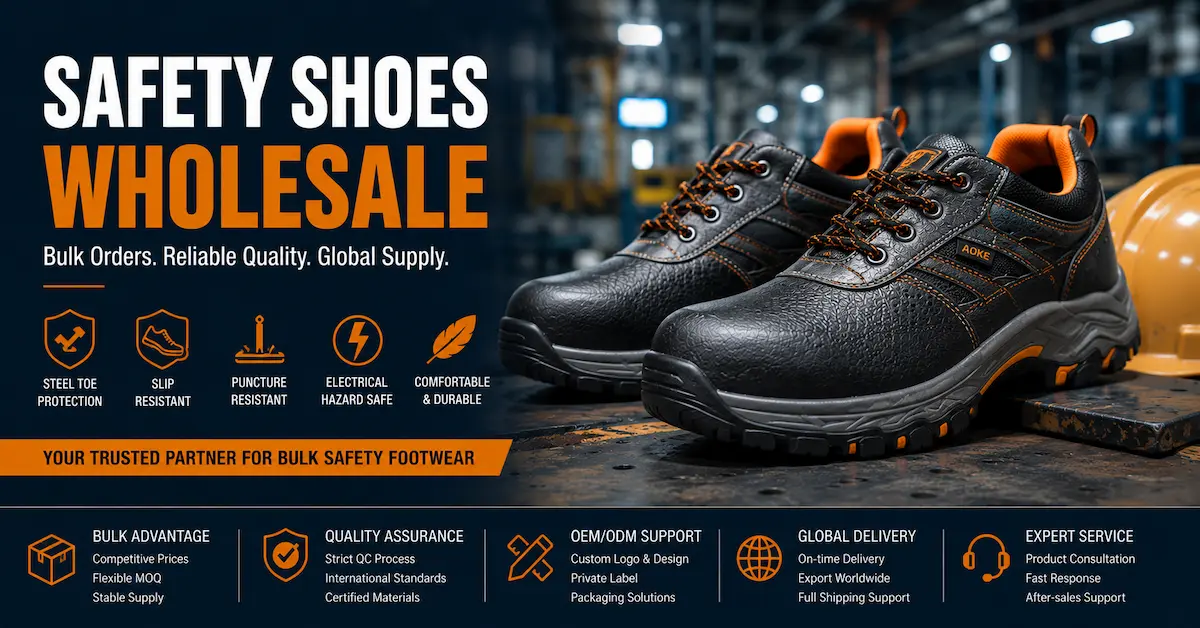
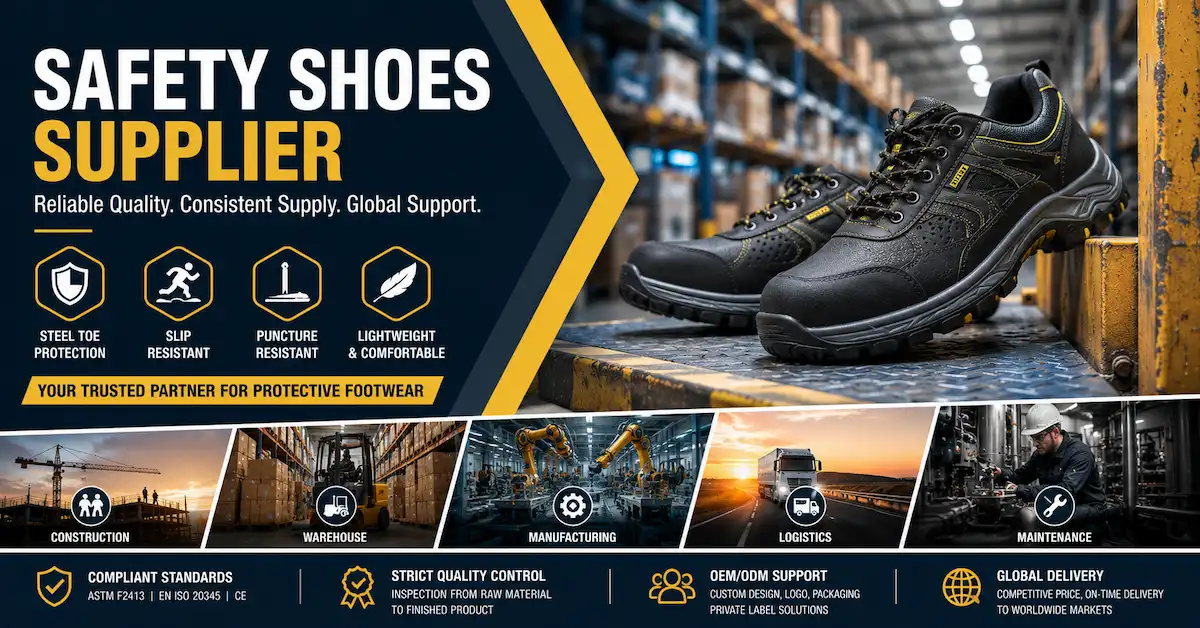
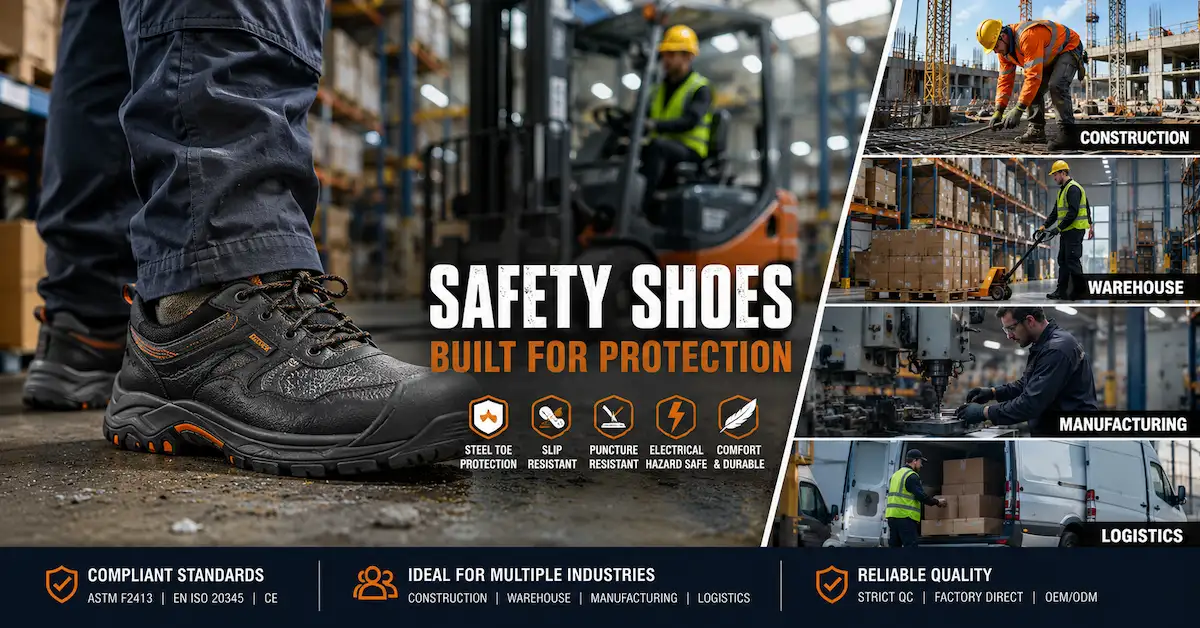
AOKE provides various workplace safety products through its Stock Safety Products category, including safety equipment such as traffic cones, safety shoes, work gloves, warning posts, and other workplace protection products.
For related high-visibility protection products, buyers can also review AOKE's Reflective Clothing solutions.
How to Evaluate a Convex Safety Mirror Supplier Before Ordering
Use this checklist before selecting a supplier:
| Evaluation Area | Questions |
|---|---|
| Product quality | Are materials and specifications clear? |
| Sample | Can the supplier provide approval samples? |
| Production | Can quality remain consistent? |
| Customization | Can OEM requirements be supported? |
| Packaging | Is shipping protection considered? |
| Delivery | Are lead times reliable? |
| Communication | Are technical questions answered clearly? |
This evaluation process helps reduce purchasing risks.
Frequently Asked Questions
What is a convex safety mirror used for?
Convex safety mirrors are used to improve visibility in blind spots such as roads, parking areas, warehouses, factories, and building entrances.
How do I choose a reliable convex safety mirror supplier?
Evaluate material quality, optical performance, product specifications, QC procedures, customization capability, and delivery reliability.
Which material is better for convex safety mirrors?
The best material depends on the application. Acrylic, polycarbonate, and glass mirrors each have different advantages.
Are convex safety mirrors suitable for outdoor use?
Yes, but outdoor mirrors should be selected based on UV resistance, weather exposure, and installation conditions.
What size convex mirror should I buy?
Size depends on viewing distance, blind spot area, and application environment.
Can convex safety mirrors be customized?
Many suppliers support customization such as logos, packaging, sizes, and mounting options.
What affects convex mirror wholesale pricing?
Material, size, frame design, accessories, quantity, customization, and shipping requirements affect pricing.
Should I request samples before bulk ordering?
Yes. Samples allow buyers to verify reflection quality, material, dimensions, and overall performance.
Can safety mirrors be purchased with other traffic safety products?
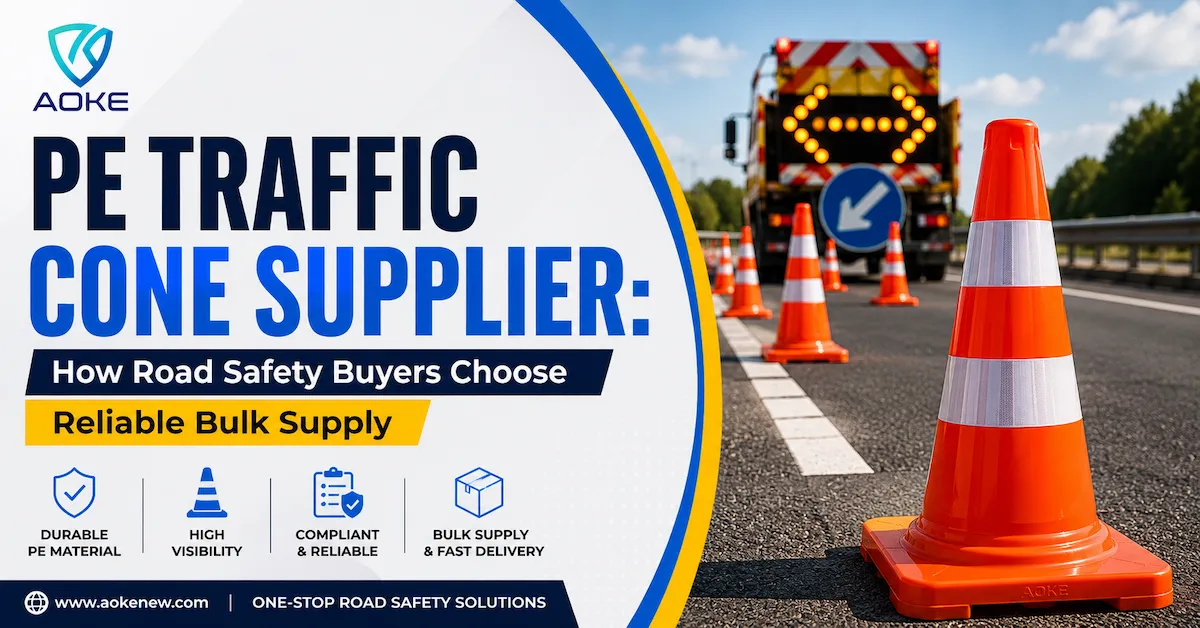
Yes. Many buyers combine convex mirrors with traffic cones, warning posts, caution tape, and other road safety products.
What information should I provide when requesting a quotation?
Provide product size, material requirements, quantity, application environment, destination, and customization needs.
Conclusion
Choosing the right convex safety mirror supplier requires evaluating more than product price.
For distributors, contractors, and industrial buyers, the ideal supplier should provide:
- Suitable product recommendations
- Reliable material quality
- Consistent production
- Flexible customization
- Professional communication
- Stable delivery
A successful purchasing decision starts with understanding the application, defining specifications, approving samples, and selecting a supplier capable of long-term cooperation.
For safety product sourcing requirements, buyers can explore AOKE's Stock Safety Products or submit project requirements through the Contact Us page.