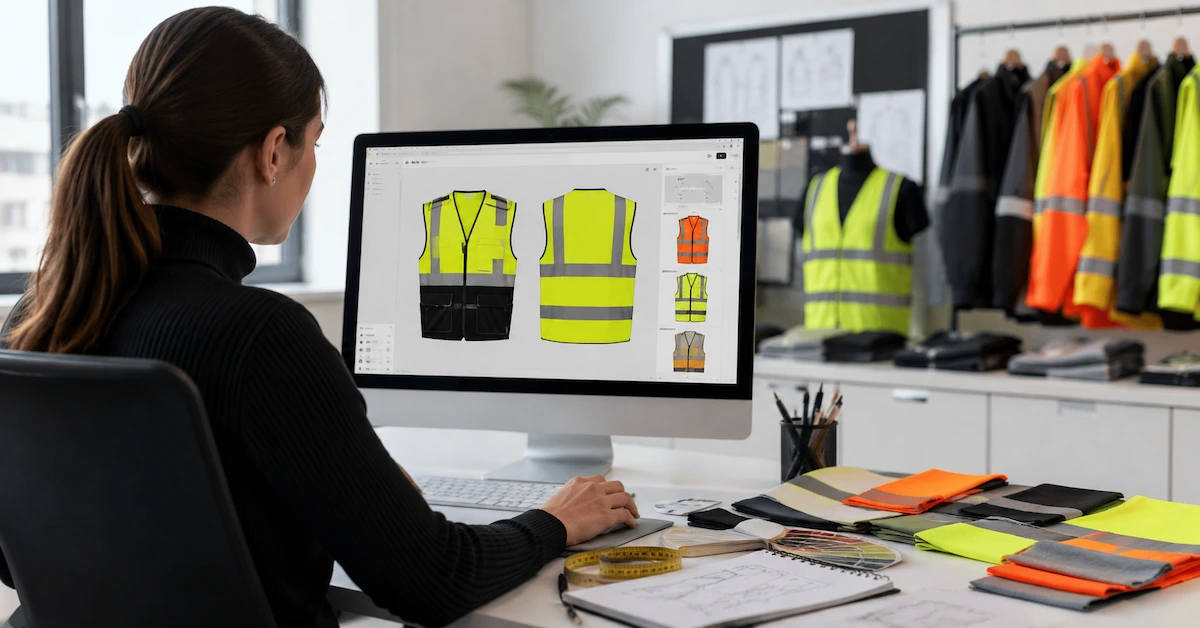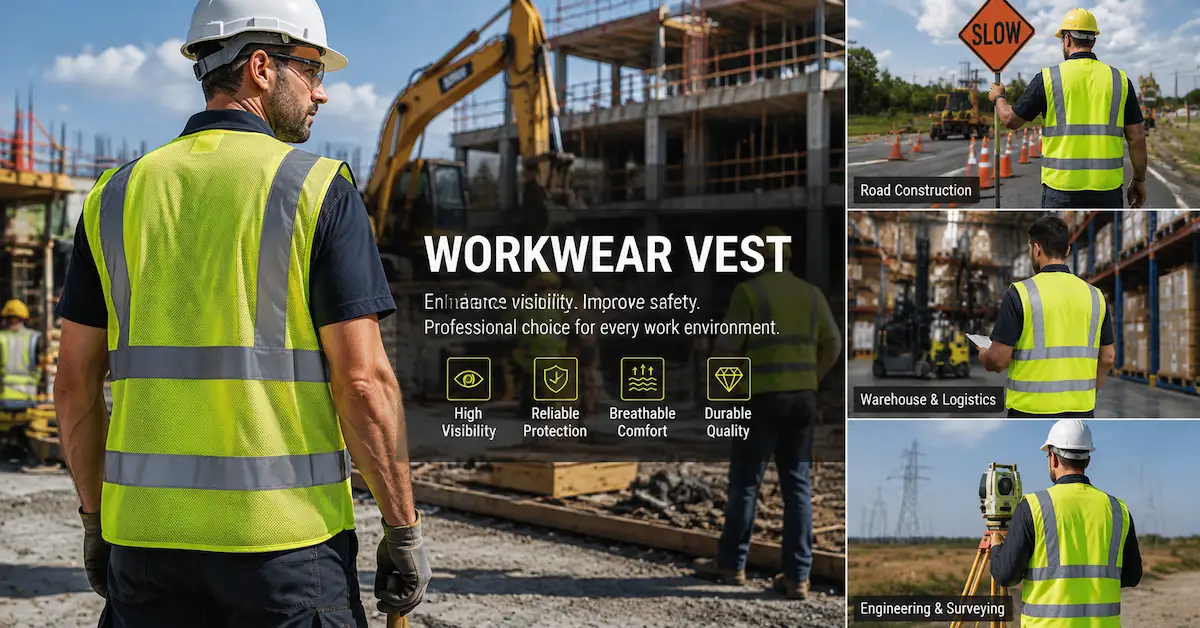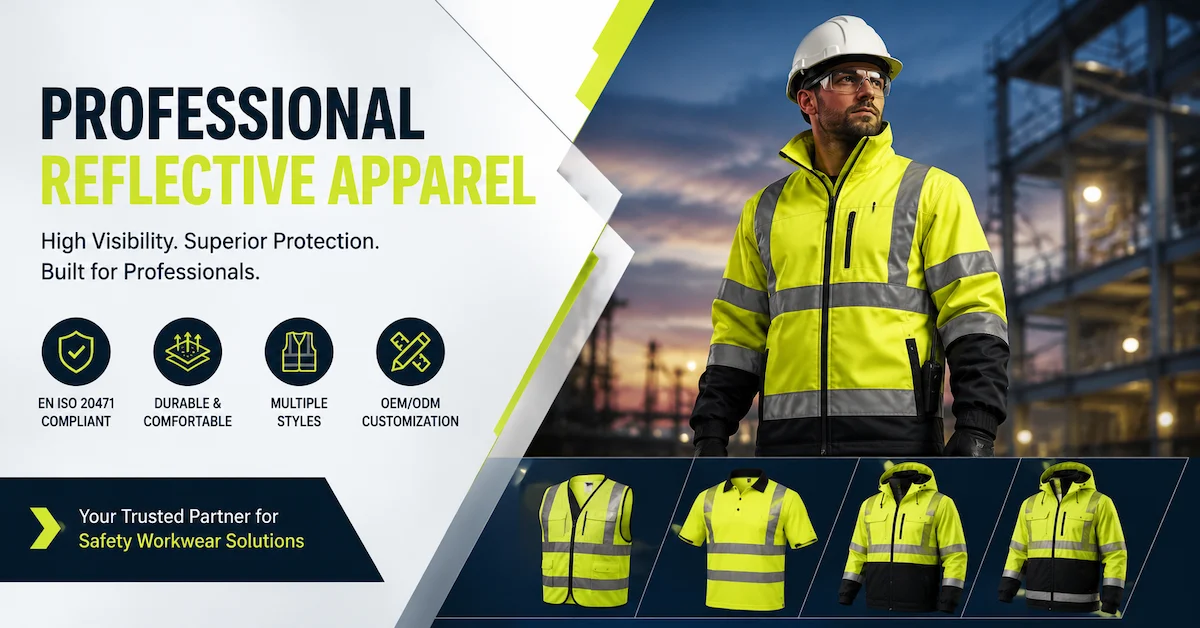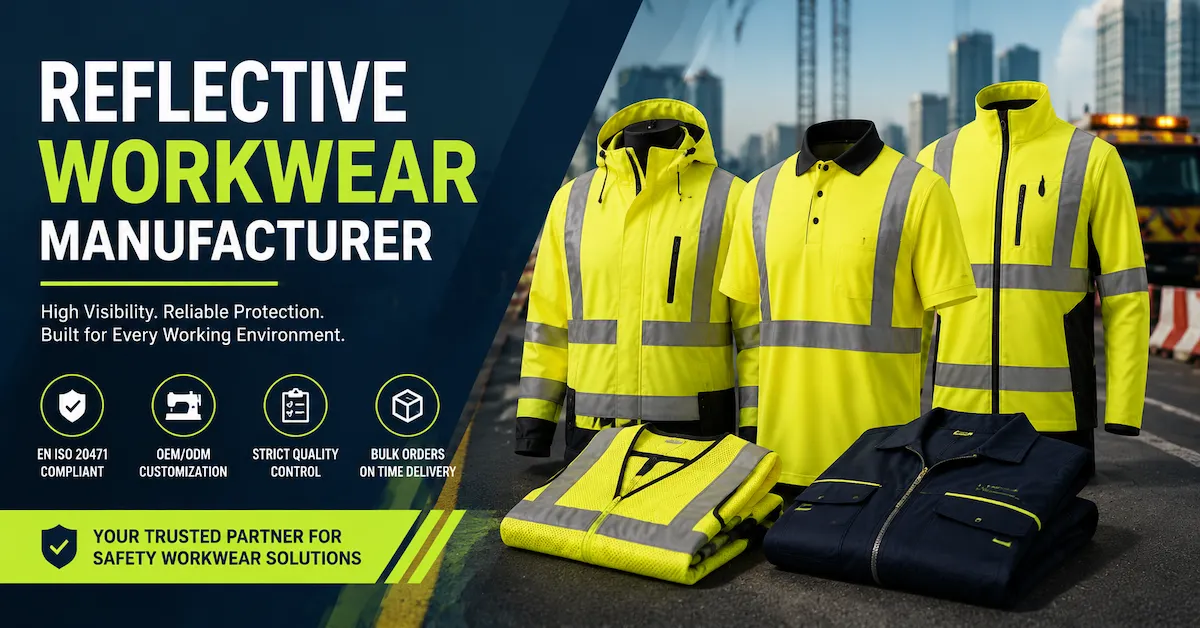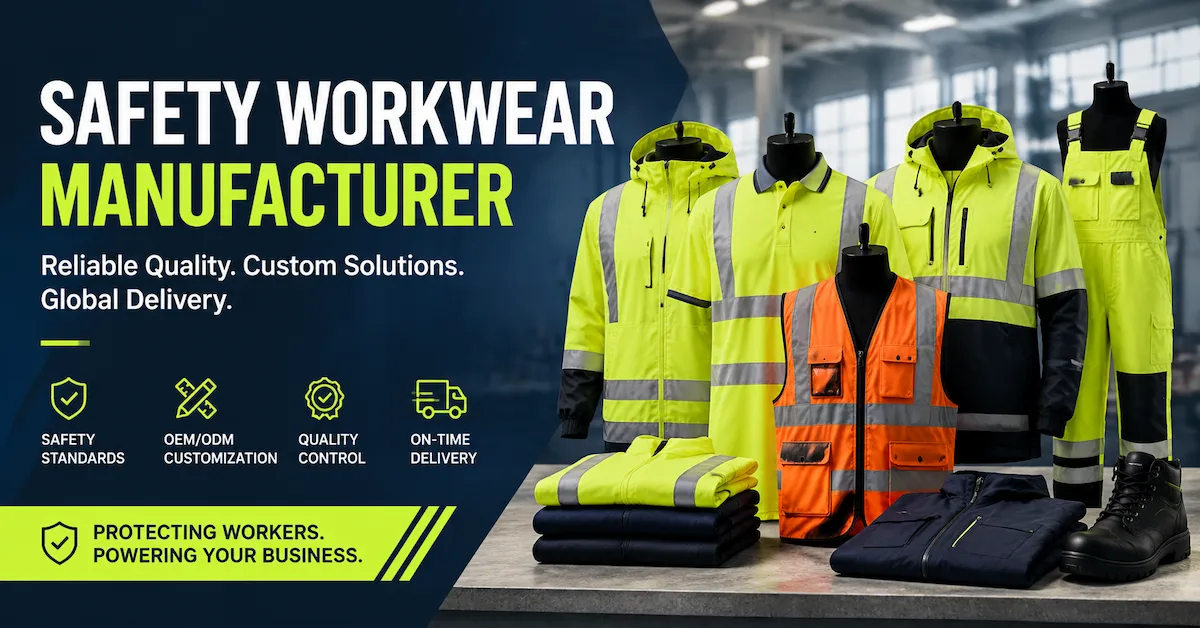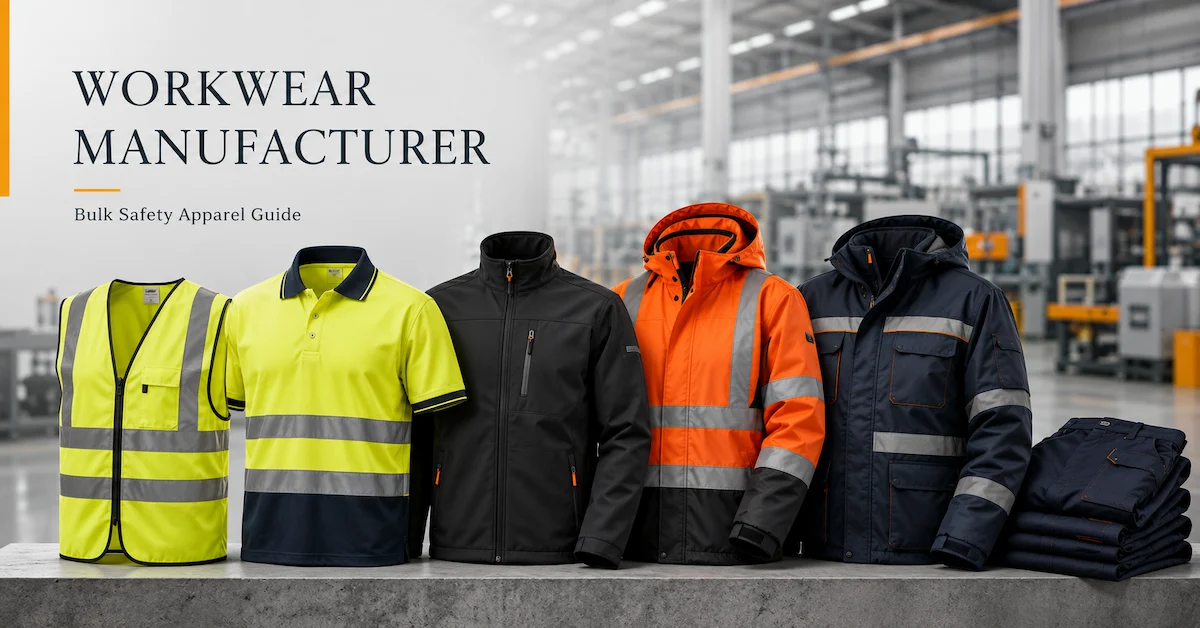
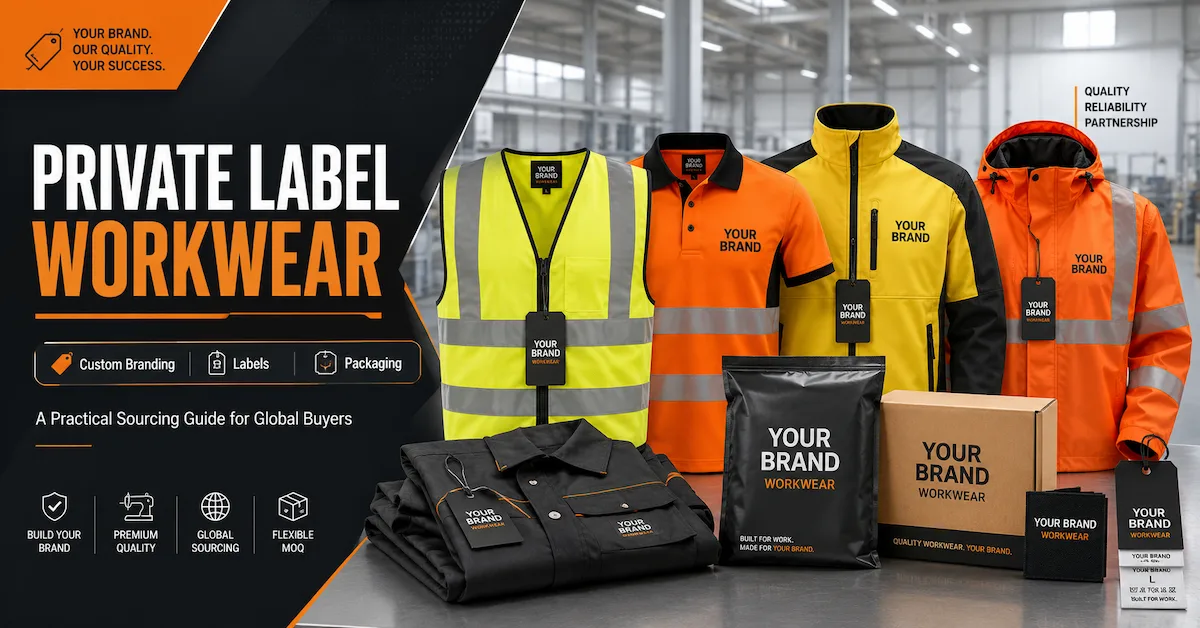
Private label workwear allows buyers to sell safety apparel and industrial workwear under their own brand name. A private label workwear project can include custom logos, woven labels, hang tags, packaging, size stickers, carton marks, color combinations, reflective tape layouts, and product specifications.
For PPE distributors, workwear brands, importers, online sellers, and industrial safety suppliers, private label workwear is not only about adding a logo. It is about building a consistent product line that matches your market, safety requirements, customer expectations, and long-term sales strategy.
AOKE supplies reflective apparel and safety workwear for global buyers. You can explore related product categories through the Vest / Waistcoat Products page.
Why Private Label Workwear Is Valuable for B2B Buyers
Generic workwear can be easy to source, but it does not help buyers build brand recognition. Private label workwear gives distributors, contractors, and importers more control over product identity, packaging, customer experience, and repeat sales.
For example, a PPE distributor may sell reflective safety vests under its own brand. A construction supplier may need branded hi vis jackets for project customers. An e-commerce seller may want a consistent product line with logo labels and retail packaging. A workwear importer may need private label polo shirts, rain jackets, and woven workwear for different market segments.
A reliable private label manufacturer helps buyers create products that are:
- Branded
- Consistent
- Practical
- Market-ready
- Suitable for repeat orders
- Easier to promote and resell
For safety apparel, the manufacturer should also understand reflective materials, high-visibility design, fabric selection, quality inspection, sizing, and bulk delivery.
Who Needs Private Label Workwear?
1. PPE Distributors and Safety Product Wholesalers
PPE distributors often sell to construction companies, logistics teams, industrial buyers, roadwork contractors, municipal departments, and utility teams. Private label workwear helps them build stronger customer loyalty and differentiate from generic suppliers.
Main needs include:
- Private label packaging
- Stable repeat orders
- Broad product range
- Competitive bulk pricing
- Standard product consistency
2. Workwear Brands and Importers
Workwear brands need a manufacturer that can support product development, custom labels, color control, size consistency, packaging design, and long-term production.
Main needs include:
- OEM/ODM support
- Custom styles
- Logo and label options
- Packaging development
- Stable product quality
3. Online Sellers and Retail Channels
E-commerce sellers need workwear that looks professional, photographs well, ships safely, and matches customer expectations. Private label packaging can improve perceived product value.
Main needs include:
- Retail-ready packaging
- Product label consistency
- Clear size information
- Low-to-medium MOQ flexibility
- Repeatable product quality
4. Construction and Industrial Suppliers
Construction and industrial suppliers may sell workwear to contractors, factories, utilities, and maintenance teams. Private label products help them offer a professional branded solution.
Main needs include:
- Durable fabric
- Custom logos
- Size availability
- Project-based bulk supply
- Reliable delivery schedule
5. Corporate and Project Buyers
Some buyers do not resell workwear but still need private-label-style customization for internal teams. This may include company logos, department colors, job roles, and packaging by team or location.
Main needs include:
- Team branding
- Color differentiation
- Custom logo placement
- Bulk size sorting
- Project delivery support
Main Private Label Workwear Products
A strong private label workwear manufacturer should support multiple product categories so buyers can build a complete product line.
| Product Category | Private Label Options | Common Applications | Buyer Value |
|---|---|---|---|
| Reflective Safety Vest | Logo, label, packaging, tape layout | Roadwork, construction, warehouses | Low-cost entry product for bulk sales |
| Hi Vis T-shirt / Polo Shirt | Logo print, size label, custom color | Logistics, delivery, factory teams | Good for daily workwear programs |
| Hoodie / Fleece / Softshell Jacket | Embroidery, woven label, hang tag | Outdoor maintenance, utilities | Higher value seasonal products |
| Raincoat / Rain Jacket | Logo, waterproof label, packaging | Ports, road maintenance, wet worksites | Suitable for weather protection markets |
| Winter Jacket | Private label, insulation specs, carton marks | Cold regions, municipal teams | Higher-margin winter workwear |
| Woven Workwear | Custom pockets, labels, packaging | Industrial production, repair teams | Durable product line for heavy use |
| FR Garment | Labels, technical documentation, packaging | Welding, oil and gas, power | Suitable for specialized safety markets |
AOKE’s product range includes reflective vests, work shirts, polo shirts, hoodies, jackets, rainwear, winter workwear, woven workwear, and ready-to-ship safety apparel. Buyers can also visit the AOKE Blog for more sourcing and product selection topics.
What Can Be Customized in Private Label Workwear?
1. Logo Branding
Logo branding is the most common private label requirement. Buyers may need logos on the chest, back, sleeve, pocket, collar, or packaging.
Common branding methods include:
- Heat transfer printing
- Screen printing
- Reflective printing
- Embroidery
- Woven patch
- Rubber badge
- Printed neck label
The best method depends on fabric type, garment category, order quantity, washing requirements, and brand positioning.
2. Labels and Hang Tags
Private label workwear often includes branded labels and hang tags. These details help buyers create a more professional product.
Common label options include:
- Woven brand labels
- Printed neck labels
- Size labels
- Care labels
- Compliance labels
- Hang tags
- Barcode stickers
- Product information cards
For export buyers, care label language, size format, and washing instructions should match the target market.
3. Packaging
Packaging affects retail presentation, warehouse sorting, and customer experience. For private label workwear, packaging may include:
- Individual polybags
- Printed bags
- Size stickers
- Barcode labels
- Carton marks
- Retail boxes
- Bundled team packaging
- Custom insert cards
Clear packaging requirements help reduce distribution errors after shipment.
4. Colors and Fabric
Private label buyers often need custom colors to match brand identity or market demand. For hi vis workwear, fluorescent yellow and orange are common, but navy, black, red, and contrast panels may also be used.
Fabric options may include:
- Polyester mesh
- Knitted fabric
- Woven fabric
- Softshell fabric
- Waterproof fabric
- Insulated fabric
- FR fabric
A professional private label workwear manufacturer should recommend fabric based on working environment, safety requirement, and buyer budget.
5. Reflective Tape Layout
For high-visibility workwear, reflective tape layout is important. Buyers should confirm:
- Tape width
- Tape position
- Shoulder layout
- Waist layout
- Sleeve layout
- Back layout
- Leg tape for trousers
- Washing durability
A consistent reflective layout helps maintain product appearance and visibility across repeat orders.
How to Choose a Private Label Workwear Manufacturer
1. Check Workwear Specialization
Private label workwear is different from casual clothing. The manufacturer should understand workwear applications, safety apparel, reflective tape, durable fabrics, sizing, and industrial use.
A general garment factory may produce clothing, but it may not understand the requirements of hi vis apparel, rainwear, winter workwear, or industrial uniforms.
2. Review OEM and ODM Support
A reliable manufacturer should support both simple logo customization and deeper OEM development.
Buyers should ask:
- Can you customize logo and labels?
- Can you develop packaging?
- Can you adjust fabric and colors?
- Can you modify pockets, closures, and tape layout?
- Can you support repeat private label orders?
3. Confirm Quality Control
Private label products represent your brand. Poor quality can damage customer trust.
Important QC points include:
- Fabric color and weight
- Reflective tape position
- Stitching quality
- Logo placement
- Label accuracy
- Size measurement
- Packaging accuracy
- Carton marking
- Final inspection
Before placing bulk orders, buyers should confirm how the manufacturer controls quality at each stage.
4. Ask for Samples Before Bulk Production
Samples help confirm fabric, fit, logo effect, label placement, packaging, reflective tape layout, and workmanship.
For private label workwear, sample approval is especially important because product details directly affect brand image.
5. Evaluate Communication and Project Management
Private label orders involve many details. A reliable manufacturer should communicate clearly about quotation, artwork, sample approval, production schedule, inspection, packaging, and shipment.
Fast communication reduces mistakes and helps buyers manage launch schedules.
You can send your private label workwear requirements through the Contact Us page.
Private Label Workwear vs Generic Workwear
| Option | Advantages | Limitations | Best For |
| Generic Workwear | Fast sourcing, lower development effort | Weak brand identity, harder to differentiate | Temporary or low-budget orders |
| Logo-Only Workwear | Simple customization, faster production | Limited product differentiation | Contractors and corporate teams |
| Private Label Workwear | Stronger brand value, custom labels, packaging, repeat sales | Requires more specification details | Distributors, brands, importers |
| Full OEM Workwear | Deep customization in fabric, design, tape, packaging | Longer development time | Long-term product line development |
For buyers building a long-term safety apparel business, private label workwear is usually more valuable than generic workwear.
Common Risks in Private Label Workwear Sourcing
Risk 1: Inconsistent Logo Quality
Logo color, size, or position may vary if artwork is not confirmed clearly.
Better approach: approve digital mockups and physical samples before bulk production.
Risk 2: Wrong Label or Packaging
Private label orders often include different SKUs, sizes, and packaging details. Mistakes can affect resale and customer experience.
Better approach: confirm label files, packaging layout, size stickers, and carton marks before production.
Risk 3: Poor Fabric Choice
A fabric that looks good in photos may not perform well after washing or daily work.
Better approach: choose fabric based on application, not only appearance.
Risk 4: Weak Reflective Tape Durability
For hi vis private label workwear, reflective tape quality affects both safety and customer satisfaction.
Better approach: confirm tape type, attachment method, and washing expectations before sampling.
Risk 5: Unclear Reorder Control
Private label products need consistency across repeat orders. If fabric, color, sizing, or labels change between orders, buyers may face complaints.
Better approach: keep approved specifications and samples for future production.
Buyer Checklist Before Starting Private Label Workwear
Before contacting a private label workwear manufacturer, prepare:
- Product category
- Target market
- Brand name and logo file
- Label design
- Hang tag design
- Packaging requirement
- Fabric preference
- Color requirement
- Reflective tape layout
- Safety standard direction
- Size chart
- Order quantity
- Sample requirement
- Delivery deadline
- Shipping destination
- Reorder plan
This information helps the manufacturer provide an accurate quotation and practical production plan.
Why Choose AOKE for Private Label Workwear?
AOKE focuses on reflective apparel and safety workwear for global buyers. Its product categories cover reflective safety vests, hi vis shirts, polo shirts, hoodies, jackets, rainwear, winter workwear, woven workwear, and ready-to-ship safety apparel.
For private label buyers, AOKE can support:
- Custom logo branding
- Hi vis apparel sourcing
- Reflective safety apparel
- OEM and private label workwear
- Custom labels and packaging
- Bulk order production
- Product development support
- Long-term supply cooperation
AOKE is suitable for PPE distributors, workwear brands, construction suppliers, logistics buyers, safety product wholesalers, and importers who need branded safety apparel solutions.
Visit the AOKE homepage at https://www.aokenew.com/ to explore the brand and product direction.
FAQ
1. What is private label workwear?
Private label workwear is workwear produced by a manufacturer and sold under the buyer’s own brand name, with custom logos, labels, packaging, and product specifications.
2. What products can AOKE support for private label workwear?
AOKE can support reflective safety vests, hi vis T-shirts, polo shirts, hoodies, jackets, rainwear, winter jackets, woven workwear, and safety apparel.
3. Can private label workwear include custom packaging?
Yes. Custom packaging may include individual polybags, printed bags, size stickers, barcodes, carton marks, hang tags, and retail-ready packaging.
4. What logo methods are available for workwear?
Common methods include heat transfer printing, screen printing, reflective printing, embroidery, woven patches, and printed labels.
5. Is private label workwear suitable for PPE distributors?
Yes. PPE distributors can use private label workwear to build a branded product line and improve customer loyalty.
6. Should I request samples before bulk production?
Yes. Samples help confirm fabric, fit, logo effect, label placement, reflective tape layout, workmanship, and packaging.
7. What safety standards should buyers consider?
Common standards include ANSI/ISEA 107, CSA Z96, EN ISO 20471, AS/NZS 4602.1, OEKO-TEX 100, and FR-related standards for specialized applications.
8. How can I avoid private label packaging mistakes?
Confirm label files, packaging artwork, size stickers, barcode labels, carton marks, and packing instructions before bulk production.
9. What information should I send for a quotation?
Send product type, brand logo, label design, packaging requirement, quantity, fabric preference, target market, size range, and delivery deadline.
10. How can I start a private label workwear project with AOKE?
You can contact AOKE through the official contact page and send your product details, logo files, label requirements, packaging needs, and bulk order plan.
Conclusion
Private label workwear helps buyers build a stronger brand, improve product differentiation, and create a more professional safety apparel line. However, successful private label sourcing requires more than logo printing.
Buyers should evaluate product categories, fabric selection, label accuracy, reflective tape design, packaging, quality control, communication, and repeat order stability. A reliable manufacturer can help reduce sourcing risk and improve long-term product consistency.
If you are sourcing reflective safety vests, hi vis shirts, jackets, rainwear, winter workwear, woven workwear, or custom safety apparel for your private label program, AOKE can help develop practical workwear solutions for your market.
Contact AOKE today to discuss your logo, label, packaging, product specifications, and bulk order plan.