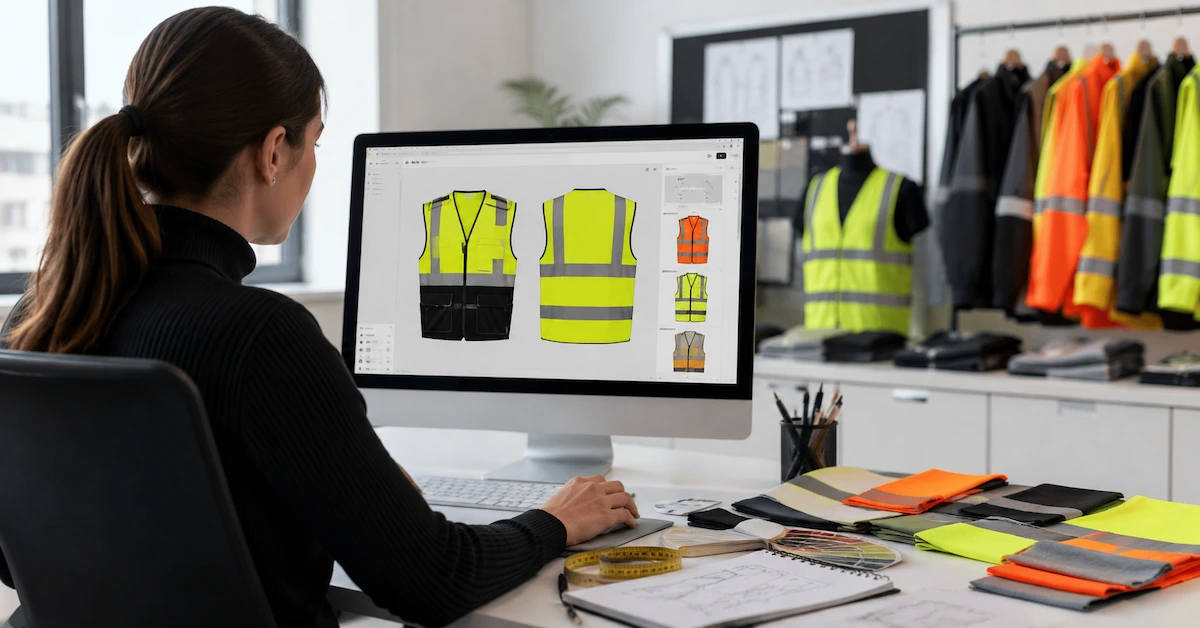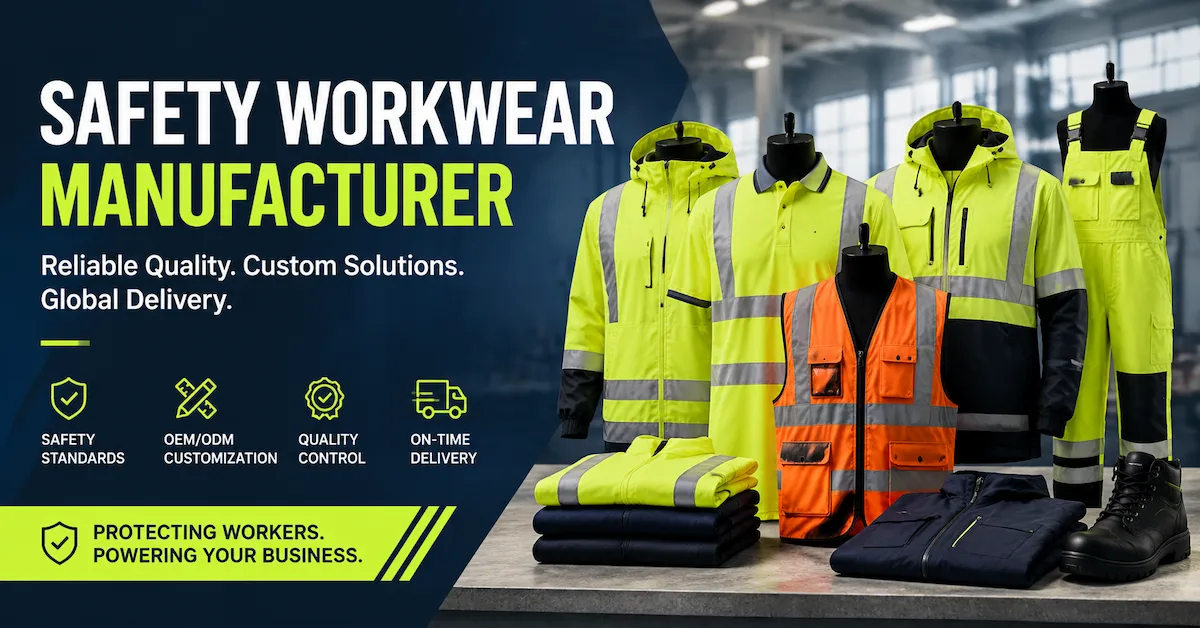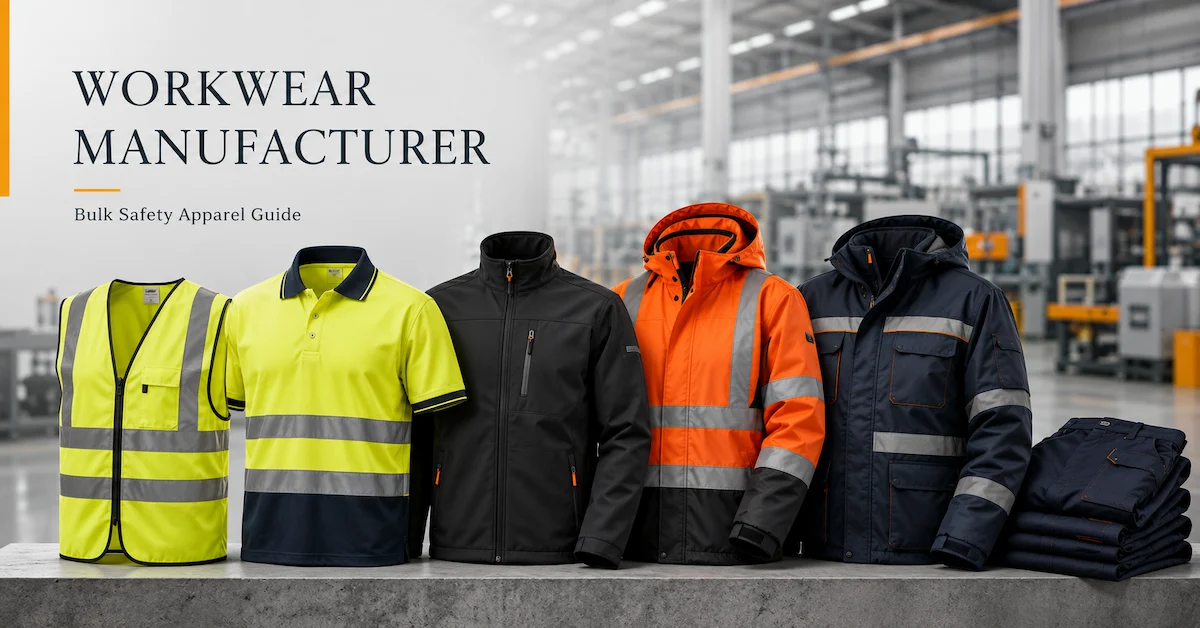

A reflective workwear manufacturer produces safety apparel designed to improve worker visibility in low-light, outdoor, and industrial environments. Professional manufacturers provide not only garments but also reflective material selection, garment design, OEM customization, quality control, and bulk production support.
For B2B buyers, choosing the right manufacturer requires evaluating reflective performance, fabric durability, product categories, customization capability, production capacity, and experience serving international markets.
AOKE specializes in reflective apparel and safety workwear solutions for global buyers, including reflective vests, hi vis shirts, jackets, rainwear, and industrial workwear.
You can explore AOKE’s reflective safety products here:
https://www.aokenew.com/products/vest-waistcoat
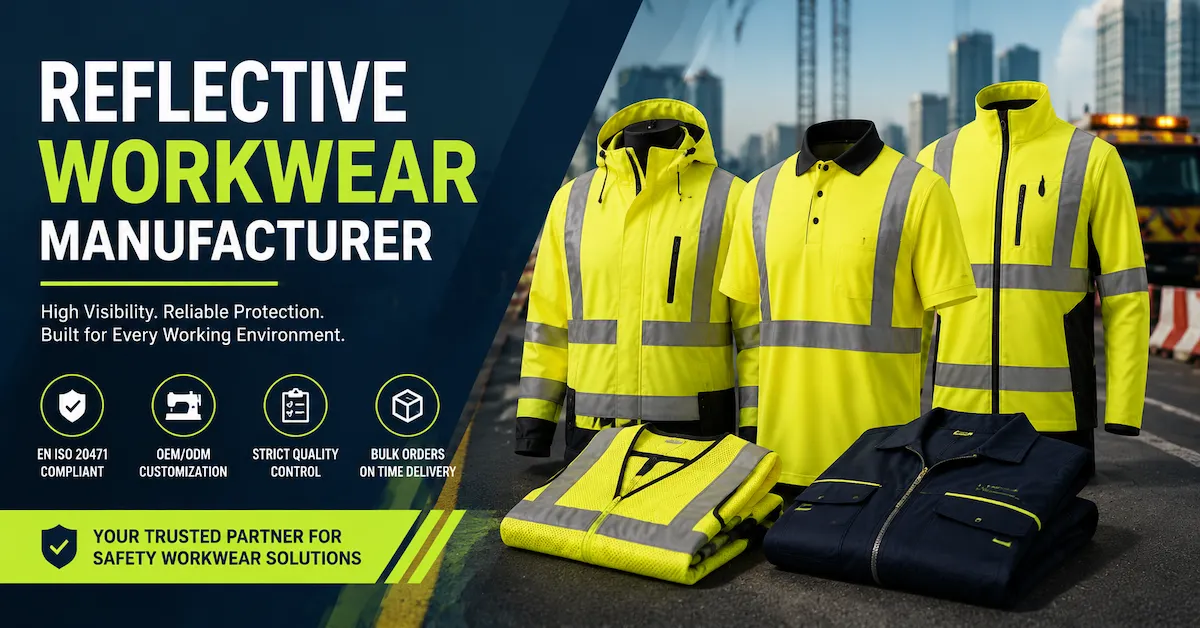
Why Reflective Workwear Is Important for Industrial Safety
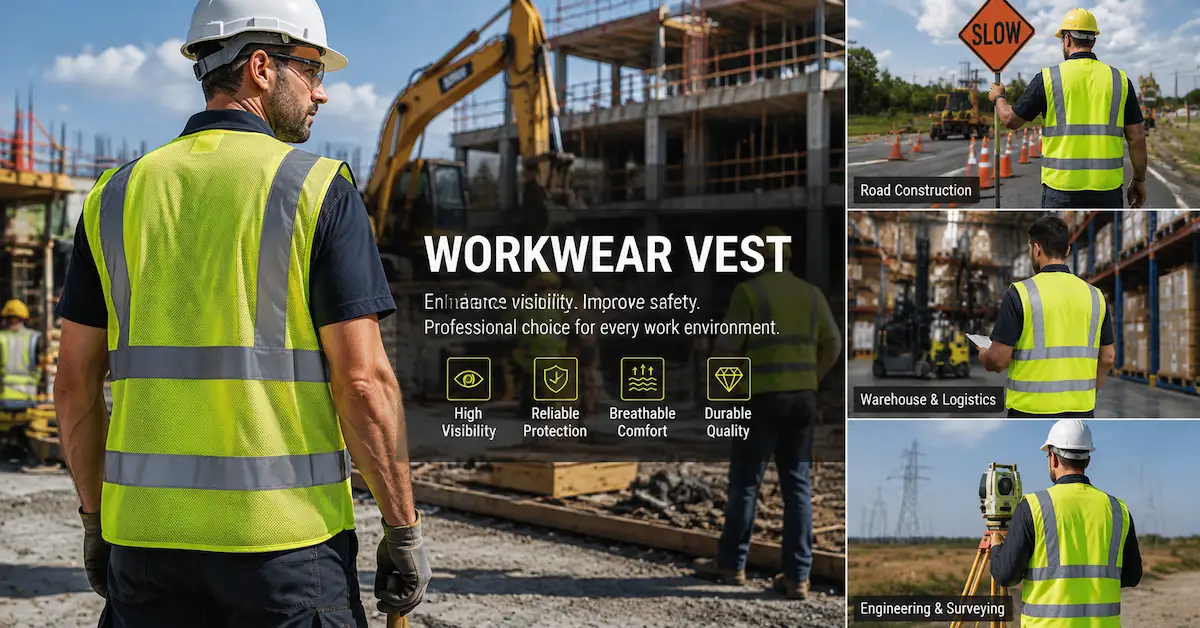
Reflective workwear is widely used in environments where workers need to remain visible, including construction sites, road maintenance areas, warehouses, logistics centers, ports, factories, utilities, and outdoor projects.
Unlike ordinary uniforms, reflective workwear combines:
- Fluorescent background colors
- Reflective materials
- Functional garment structures
- Comfortable fabrics
- Workplace-specific designs
The main purpose is to improve worker recognition during:
- Night operations
- Low-light conditions
- Outdoor environments
- Heavy equipment operations
- Traffic-related work
For companies purchasing hundreds or thousands of garments, choosing an experienced reflective workwear manufacturer can directly affect worker safety, product consistency, and long-term sourcing costs.
Who Needs a Reflective Workwear Manufacturer?
PPE Distributors and Wholesalers
PPE distributors require reliable suppliers that can provide multiple reflective apparel categories.
Their main requirements include:
- Stable production capacity
- Competitive pricing
- Private label options
- Consistent quality
- Export experience
Typical products include:
- Reflective safety vests
- Hi vis shirts
- Safety jackets
- Rainwear
- Winter workwear
Construction and Roadwork Companies
Construction workers often operate near vehicles, machinery, cranes, and traffic areas.
They need reflective workwear with:
- Strong visibility
- Durable fabric
- Comfortable movement
- Weather protection
- Long service life
Logistics and Warehouse Teams
Warehouse and transportation workers need lightweight reflective clothing for daily operations.
Important features include:
- Breathable materials
- Easy movement
- Wash resistance
- Company branding
- Size availability
Industrial and Utility Companies
Industrial teams may require stronger workwear for maintenance, manufacturing, power, and outdoor operations.
Common requirements:
- Reinforced construction
- Functional pockets
- Durable fabrics
- Special protective materials
Workwear Brands and Importers
Brands need manufacturers that can support:
- OEM development
- Custom colors
- Labels
- Packaging
- Repeat production
Main Reflective Workwear Products
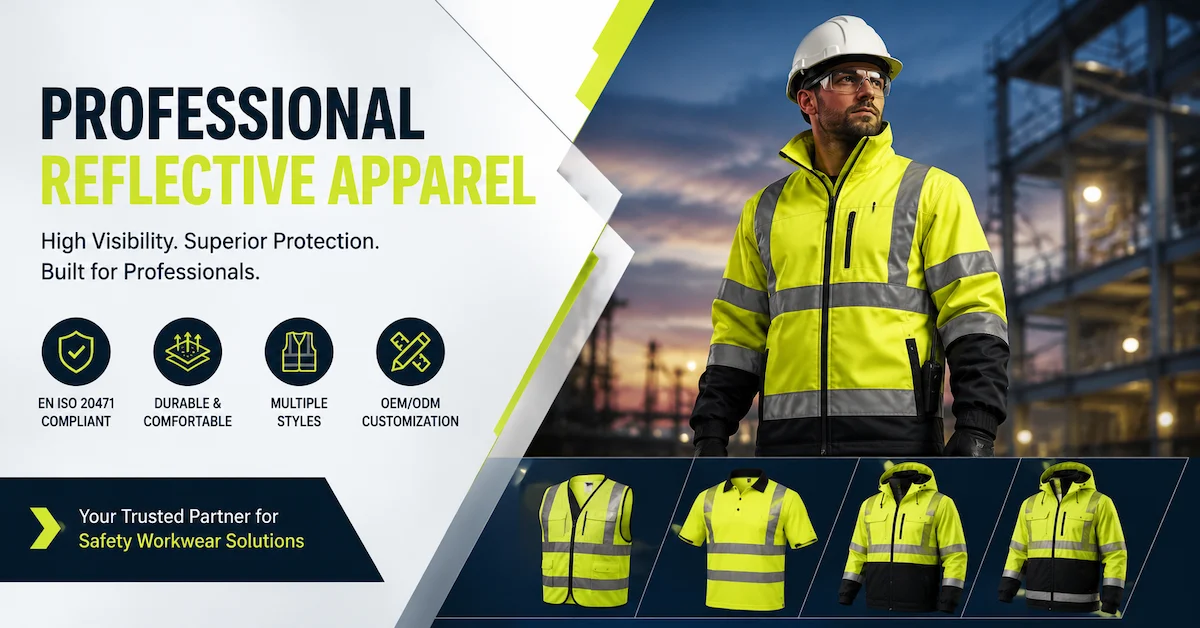
A professional reflective workwear manufacturer should provide a complete product range.
| Product | Features | Applications |
|---|---|---|
| Reflective Safety Vest | Lightweight, highly visible | Construction, warehouse, traffic control |
| Hi Vis T-shirt | Breathable and comfortable | Logistics, delivery, factory teams |
| Reflective Polo Shirt | Professional appearance | Corporate and industrial teams |
| Safety Jacket | Weather protection and visibility | Outdoor work |
| Softshell Jacket | Flexible and wind resistant | Utilities, maintenance |
| Rain Jacket | Waterproof and reflective | Roadwork, ports |
| Winter Jacket | Insulated and visible | Cold regions |
| Woven Workwear | Durable and functional | Industrial environments |
AOKE provides reflective vests, hi vis shirts, polo shirts, jackets, rainwear, winter workwear, and woven safety apparel.
For more product and sourcing information, visit:
https://www.aokenew.com/category/blog
What Should Buyers Check When Choosing a Reflective Workwear Manufacturer?
1. Reflective Material Quality
Reflective materials are one of the most important components of safety clothing.
Buyers should evaluate:
- Reflective brightness
- Tape width
- Placement design
- Washing durability
- Attachment method
- Compatibility with fabric
A professional manufacturer should understand how reflective tape placement affects visibility and comfort.
2. Fabric Selection
Different working environments require different fabrics.
Common options include:
Polyester Mesh
Suitable for lightweight reflective vests and warm environments.
Advantages:
- Breathable
- Lightweight
- Comfortable
Knitted Fabric
Commonly used for hi vis T-shirts and polo shirts.
Advantages:
- Comfortable
- Flexible
- Suitable for long shifts
Woven Fabric
Used for industrial jackets, trousers, and heavy-duty workwear.
Advantages:
- Durable
- Structured
- Resistant to daily wear
Waterproof and Insulated Fabrics
Used for rain jackets and winter workwear.
Advantages:
- Weather protection
- Outdoor suitability
- Better worker comfort
3. OEM and Customization Capability
Many B2B buyers require customized reflective workwear instead of standard products.
A reliable manufacturer should support:
- Logo printing
- Embroidery
- Reflective logo
- Custom colors
- Private labels
- Hang tags
- Packaging
- Custom pockets
- Size adjustments
OEM capability helps distributors and brands create differentiated product lines.
4. Safety Standard Knowledge
Different markets may have different requirements for reflective apparel.
Common references include:
- ANSI/ISEA 107 for North America
- CSA Z96 for Canada
- EN ISO 20471 for Europe
- AS/NZS 4602.1 for Australia and New Zealand
A professional manufacturer should understand these market requirements and help buyers select suitable products.
5. Quality Control Process
Quality control is essential for bulk reflective workwear orders.
Important inspection points include:
- Fabric quality
- Reflective tape position
- Stitching strength
- Logo accuracy
- Size measurement
- Zipper and button quality
- Packaging
A reliable supplier should control quality throughout production, not only before shipment.
Reflective Workwear Manufacturing Process
A typical production process includes:
| Step | Process |
| 1 | Product requirement confirmation |
| 2 | Fabric and reflective material selection |
| 3 | Sample development |
| 4 | Sample approval |
| 5 | Bulk cutting and sewing |
| 6 | Logo and branding |
| 7 | Quality inspection |
| 8 | Packaging and shipment |
This process helps buyers maintain product consistency across large orders.
Common Mistakes When Buying Reflective Workwear
Choosing Only by Price
Lower prices may mean:
- Lower-quality fabric
- Poor reflective materials
- Weak stitching
- Limited inspection
Buyers should compare overall value instead of unit price only.
Ignoring Application Environment
Different industries require different products.
For example:
- Warehouse workers may need breathable vests
- Road workers may need stronger visibility
- Outdoor workers may need waterproof jackets
- Cold-weather teams may need insulated clothing
Skipping Sample Approval
Samples help confirm:
- Fit
- Color
- Reflective layout
- Logo placement
- Fabric quality
Poor Repeat Order Management
Long-term buyers need consistency between orders.
Approved samples, specifications, and production records help maintain quality.
Why Choose AOKE as Your Reflective Workwear Manufacturer?
AOKE focuses on reflective apparel and safety workwear for international B2B buyers.
AOKE supports:
- Reflective safety apparel production
- Hi vis workwear solutions
- OEM customization
- Private label projects
- Bulk production
- Quality inspection
- Global supply
Products are suitable for:
- PPE distributors
- Construction companies
- Logistics teams
- Industrial manufacturers
- Workwear brands
Learn more about AOKE:
https://www.aokenew.com/about-us
FAQ
What is a reflective workwear manufacturer?
A reflective workwear manufacturer produces safety clothing with reflective materials designed for improved visibility in industrial and outdoor environments.
What products can reflective workwear manufacturers supply?
Common products include safety vests, hi vis shirts, jackets, rainwear, winter workwear, and woven industrial clothing.
Can reflective workwear be customized?
Yes. Buyers can customize logos, colors, labels, packaging, fabrics, and garment structures.
Which industries use reflective workwear?
Construction, logistics, transportation, warehouses, utilities, manufacturing, and road maintenance companies commonly use reflective workwear.
What standards apply to reflective workwear?
Common standards include ANSI/ISEA 107, EN ISO 20471, CSA Z96, and AS/NZS 4602.1.
Why is reflective tape important?
Reflective tape improves visibility in low-light environments and is a key component of safety apparel.
Should buyers request samples?
Yes. Sample approval helps confirm quality before bulk production.
Can AOKE support OEM reflective workwear?
Yes. AOKE supports OEM branding, custom designs, labels, packaging, and bulk orders.
Conclusion
Choosing the right reflective workwear manufacturer helps businesses improve worker safety, maintain consistent product quality, and build a reliable supply chain.
The ideal supplier should understand reflective materials, fabric selection, garment construction, OEM customization, quality control, and international buyer requirements.
For companies sourcing reflective vests, hi vis shirts, safety jackets, rainwear, and industrial workwear, AOKE can provide practical solutions for different markets and applications.
Contact AOKE to discuss your reflective workwear requirements, customization needs, and bulk order plans.