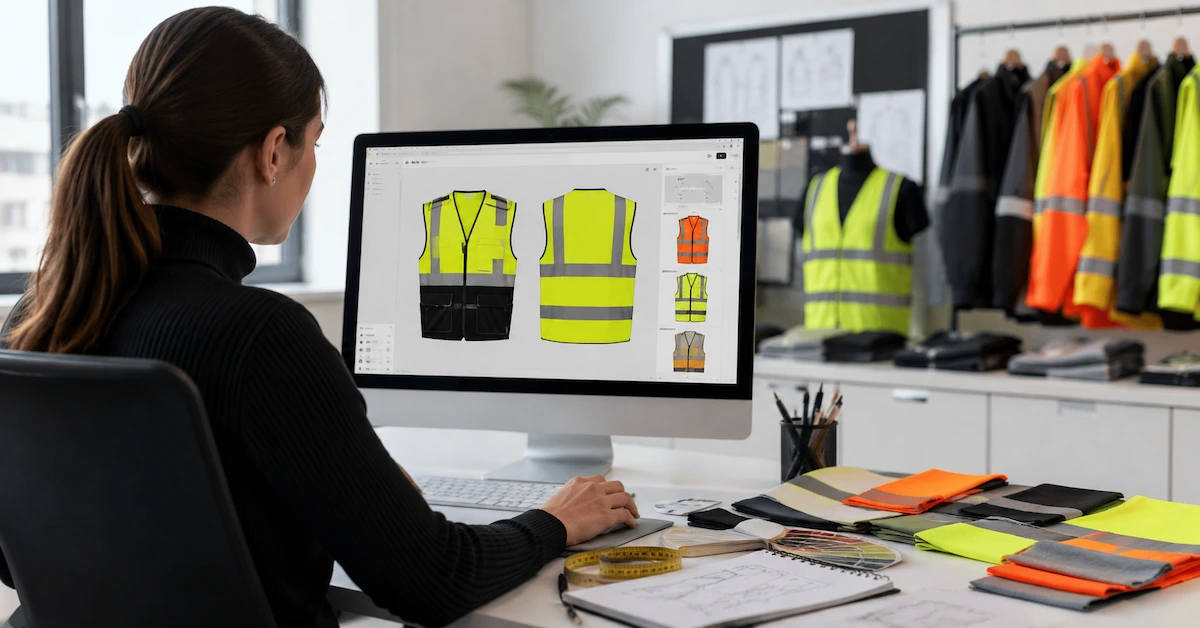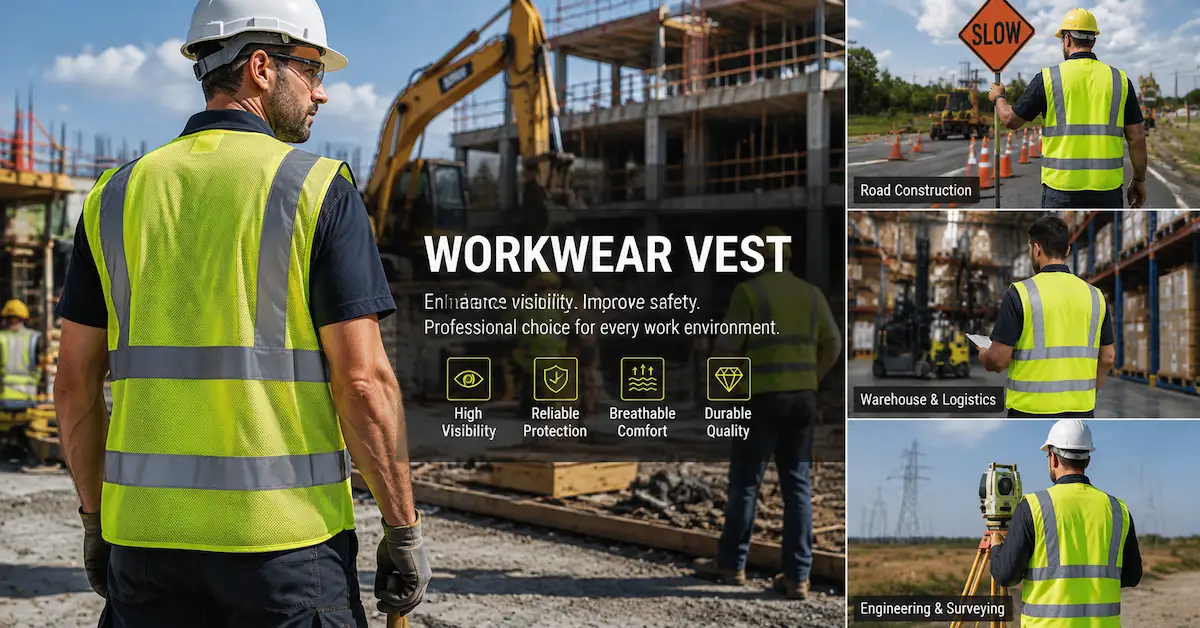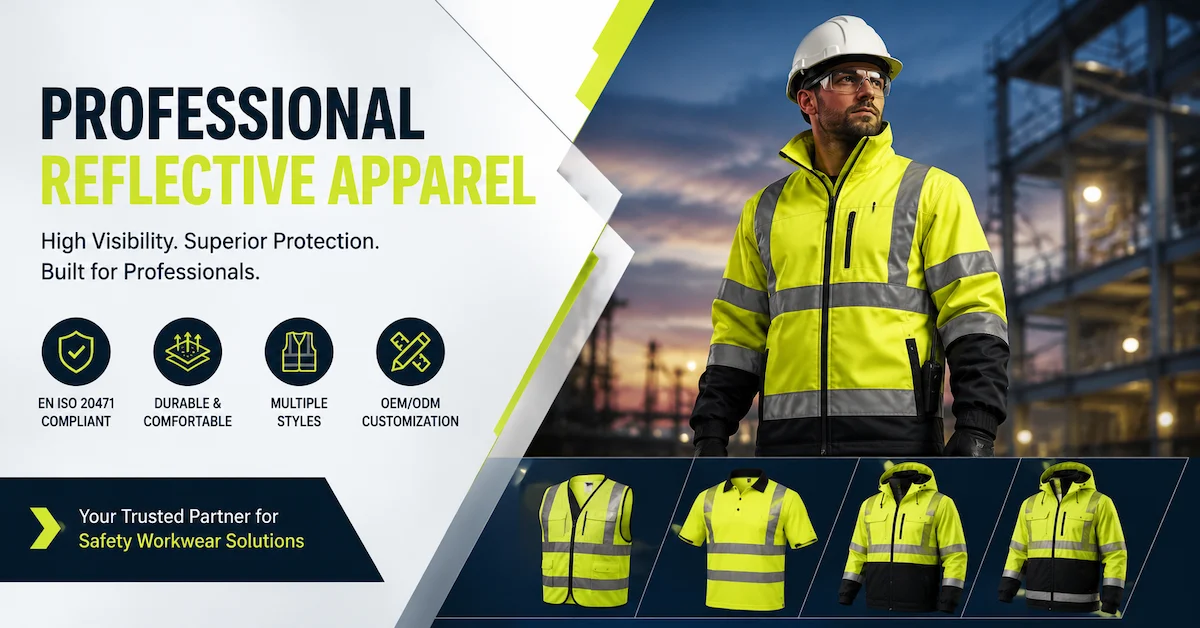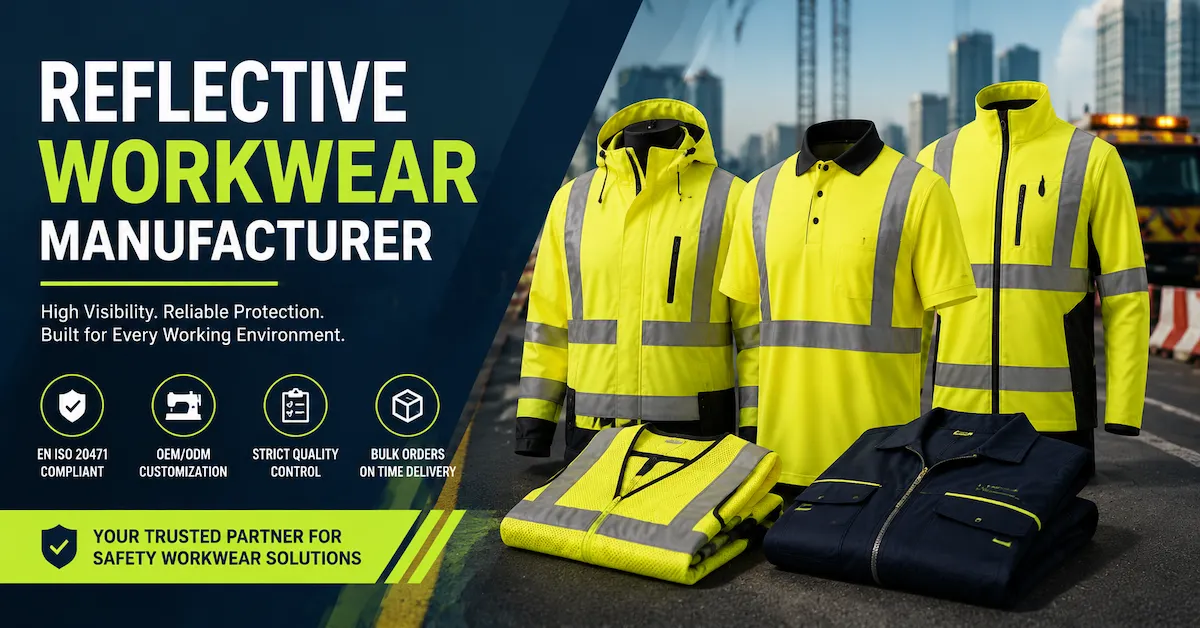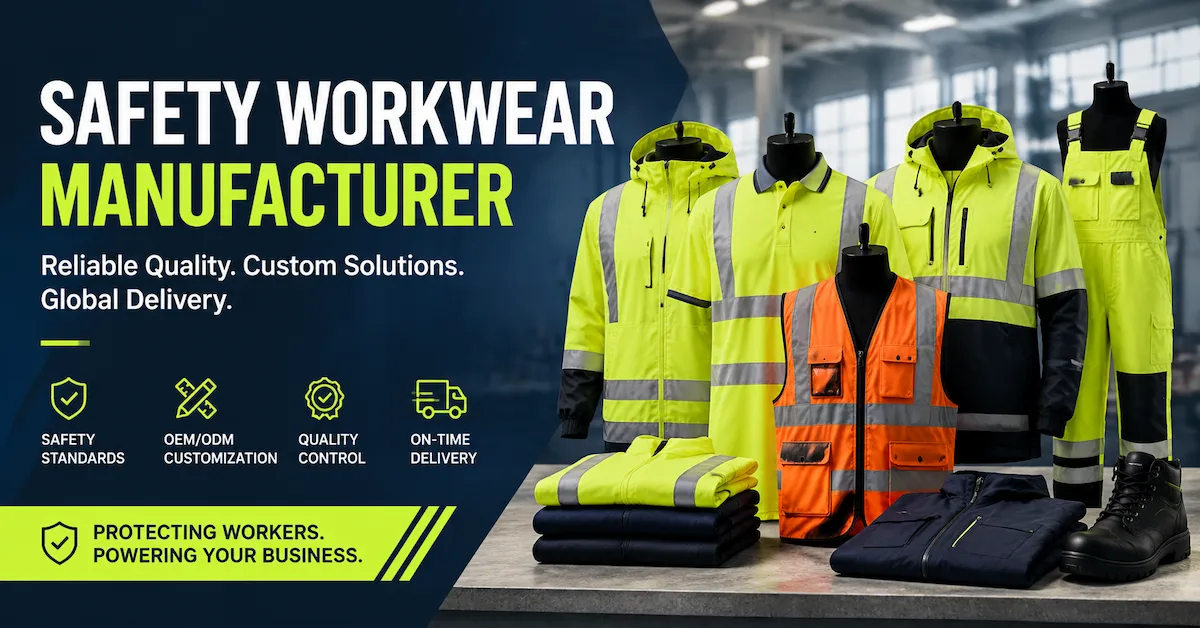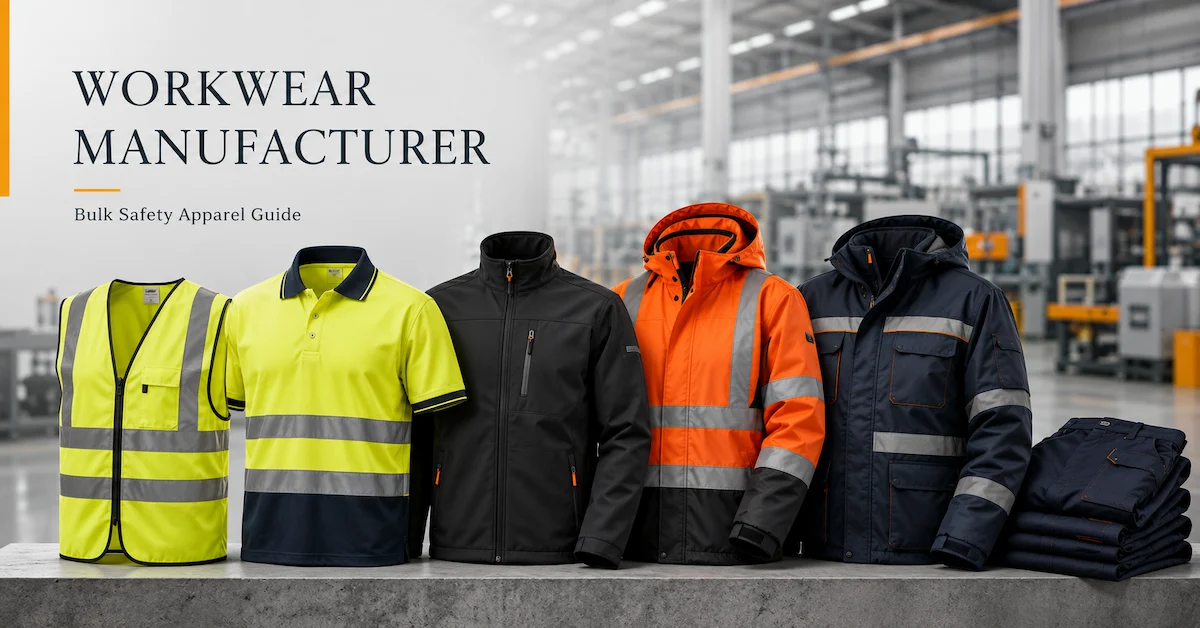

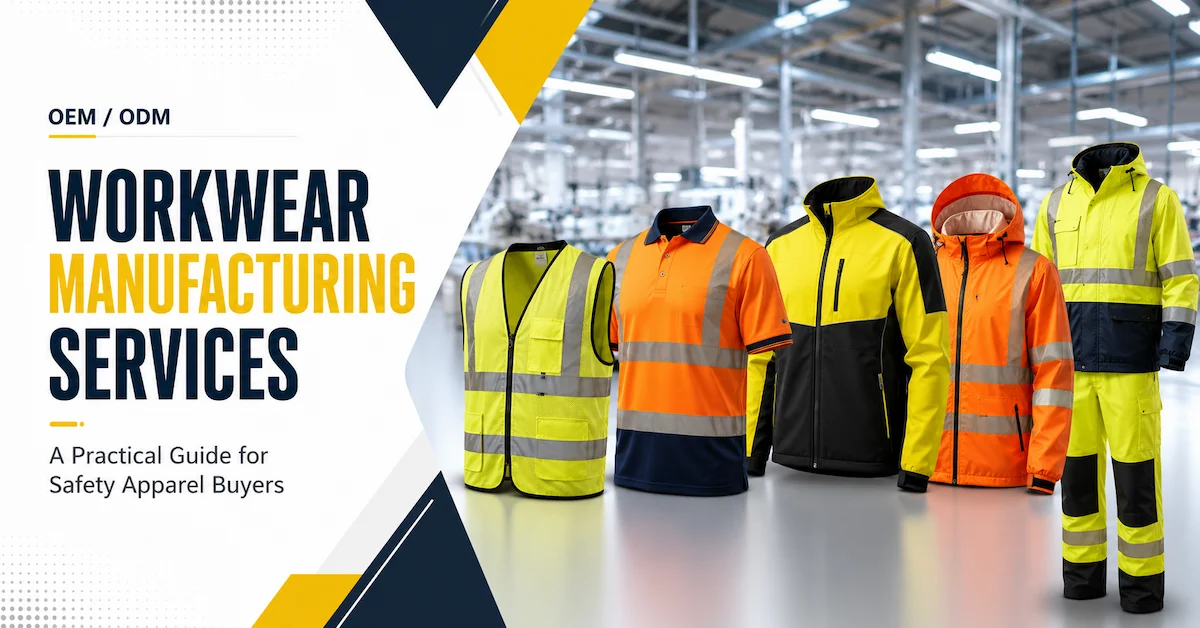
Workwear manufacturing services cover the full process of developing and producing workwear for construction, logistics, roadwork, warehouse, municipal, industrial, and outdoor work environments. These services may include product design, fabric sourcing, reflective tape layout, sampling, OEM logo branding, private label packaging, bulk production, quality inspection, and shipment support.
For B2B buyers, choosing a manufacturer is not only about sewing garments. A reliable supplier should understand safety apparel, high-visibility workwear, industrial applications, regional standards, size control, material durability, and long-term repeat order needs.
AOKE supplies reflective apparel and safety workwear for global buyers. You can start by viewing related product categories through the Vest / Waistcoat Products page.
Why Workwear Manufacturing Services Matter
Workwear is used in practical and sometimes high-risk environments. Workers may operate near road traffic, forklifts, machinery, cranes, wet weather, cold outdoor conditions, or low-light areas. In these conditions, workwear must be more than a uniform. It needs to support visibility, comfort, movement, durability, brand identity, and sometimes special protective requirements.
This is why professional workwear manufacturing services are important. A general clothing factory may understand basic sewing, but safety workwear requires additional knowledge. The manufacturer must consider fabric strength, reflective tape position, garment structure, pocket function, logo method, washing performance, size stability, and packaging accuracy.
For PPE distributors, contractors, importers, and workwear brands, the right manufacturing partner helps reduce sourcing risks before they become expensive problems.
Who Needs Workwear Manufacturing Services?
1. PPE Distributors and Safety Product Wholesalers
PPE distributors need a wide range of safety apparel products for resale. They often require reflective vests, hi vis shirts, rain jackets, winter jackets, and industrial workwear with stable quality and repeatable packaging.
Main needs include:
- Broad safety apparel categories
- Private label options
- Competitive bulk pricing
- Repeat order consistency
- Reliable quality control
2. Construction and Roadwork Companies
Construction and roadwork teams need workwear that improves worker visibility and withstands daily outdoor use.
Main needs include:
- Fluorescent colors
- Reflective tape visibility
- Strong seams
- Comfortable fit
- Weather protection options
3. Logistics, Warehouse, and Transportation Teams
Warehouse and logistics workers often move around forklifts, trucks, loading docks, and sorting areas. Lightweight hi vis workwear improves team visibility and workplace organization.
Main needs include:
- Breathable fabric
- Easy movement
- Wash resistance
- Clear logo printing
- Size consistency for large teams
4. Industrial Manufacturers and Utility Teams
Industrial and utility buyers may require stronger woven workwear, softshell jackets, rainwear, winter workwear, or protective garments for different working environments.
Main needs include:
- Durable fabric
- Reinforced construction
- Functional pockets
- Strong closures
- Long-term wear performance
5. Workwear Brands and Importers
Brands and importers need manufacturing services that support OEM development, labels, packaging, product updates, and stable repeat production.
Main needs include:
- OEM and ODM support
- Custom colors and styles
- Private label packaging
- Stable sizing
- Long-term factory cooperation
Main Workwear Manufacturing Services Buyers Should Look For
A professional manufacturer should offer more than one basic production service. For safety apparel buyers, the full service chain is important.
| Service Area | What It Includes | Why It Matters |
|---|---|---|
| Product Development | Style selection, sample making, design adjustment | Helps buyers turn ideas into manufacturable products |
| Fabric Sourcing | Mesh, knitted, woven, softshell, waterproof, insulated, FR fabrics | Matches workwear to real working environments |
| Reflective Design | Tape width, placement, layout, visibility planning | Improves low-light and night visibility |
| OEM Branding | Logo printing, embroidery, labels, hang tags | Builds buyer brand identity |
| Private Label Packaging | Polybags, cartons, barcodes, size stickers, insert cards | Supports resale and distribution |
| Bulk Production | Cutting, sewing, line control, production scheduling | Ensures stable large-order supply |
| Quality Control | Fabric, stitching, size, tape, logo, packaging checks | Reduces complaints and shipment risks |
| Export Support | Packing, carton marks, delivery coordination | Makes international purchasing smoother |
AOKE’s product direction includes reflective vests, work shirts, polo shirts, hoodies, jackets, rainwear, winter workwear, woven workwear, and ready-to-ship safety apparel. Buyers can also visit the AOKE Blog for more workwear sourcing topics.
Product Categories Supported by Workwear Manufacturing
Reflective Safety Vests
Reflective vests are one of the most common safety apparel products. They are lightweight, cost-effective, easy to wear, and suitable for bulk orders. They are often used in roadwork, construction, warehouse, traffic control, event safety, and logistics environments.
Hi Vis T-shirts and Polo Shirts
Hi vis shirts are suitable for teams that need better comfort during long shifts. They are common in warehouses, logistics, delivery, factories, and warm-weather outdoor work. Compared with vests, they provide a more uniform appearance for daily team use.
Hoodies, Fleece, and Softshell Jackets
These products are suitable for cooler seasons and outdoor work. Softshell jackets offer a professional appearance and flexible movement, while fleece and hoodies provide warmth and comfort.
Rain Jackets and Winter Workwear
Rainwear and winter jackets are important for outdoor workers in wet, windy, or cold conditions. Buyers should pay attention to waterproof fabric, seam quality, hood design, insulation, and reflective tape durability.
Woven Workwear
Woven workwear is suitable for industrial production, maintenance, utilities, and engineering teams. It can support stronger fabric, multi-pocket design, reinforced seams, and more structured appearance.
FR and Special Safety Garments
Some industries require flame-resistant, anti-static, or special protective workwear. Buyers should confirm fabric type, intended application, and relevant standard direction before placing orders.
How a Workwear Manufacturing Project Usually Works
A practical workwear manufacturing project usually follows this process:
| Step | Process | Buyer Focus |
| 1 | Requirement discussion | Product type, market, quantity, application |
| 2 | Material and style recommendation | Fabric, color, tape layout, sizing |
| 3 | Quotation | Product cost, logo cost, packaging, lead time |
| 4 | Sample development | Fabric, fit, logo, reflective tape, workmanship |
| 5 | Sample approval | Final confirmation before bulk production |
| 6 | Bulk production | Cutting, sewing, branding, line control |
| 7 | Quality inspection | Size, stitching, tape, logo, packaging |
| 8 | Packing and shipment | Carton marks, size sorting, delivery plan |
This process helps buyers avoid unclear specifications and improves production accuracy.
If you already have product requirements, logo files, quantity, packaging needs, and target delivery time, you can submit details through the Contact Us page.
Key Technical Points in Workwear Manufacturing
1. Fabric Selection
Fabric affects comfort, durability, cost, washing performance, and end-user satisfaction. A professional manufacturer should help buyers choose fabric according to climate and work environment.
Common options include:
- Polyester mesh for lightweight vests
- Knitted fabric for hi vis shirts and polo shirts
- Woven fabric for industrial uniforms
- Softshell fabric for outdoor jackets
- Waterproof fabric for rainwear
- Insulated fabric for winter workwear
- FR fabric for higher-risk applications
2. Reflective Tape Layout
For hi vis workwear, reflective tape is not only decorative. It improves visibility in low-light conditions. Buyers should confirm tape width, shoulder layout, waist layout, sleeve tape, back tape, trouser tape, and washing durability.
3. Logo and Branding Method
Different branding methods suit different fabrics and order types.
Common options include:
- Heat transfer printing
- Screen printing
- Reflective printing
- Embroidery
- Woven patches
- Printed neck labels
- Hang tags
The right method depends on fabric, garment structure, washing requirements, and brand positioning.
4. Size and Fit Control
Sizing is one of the most common issues in workwear sourcing. Buyers should confirm the size chart, sample measurements, tolerance range, plus-size options, and target market fit before bulk production.
5. Quality Inspection
Quality control should cover the full production process, not only the final carton. Important checkpoints include fabric color, fabric weight, reflective tape position, stitching, zippers, buttons, logo position, size measurement, labels, packaging, and final inspection.
Safety Standards Buyers Should Consider
For high-visibility and safety workwear, buyers should confirm the target market before finalizing product design.
Common market references include:
- ANSI/ISEA 107 for North American high-visibility safety apparel
- CSA Z96 for Canadian safety apparel
- EN ISO 20471 for European high-visibility clothing
- AS/NZS 4602.1:2011 for Australia and New Zealand
- OEKO-TEX 100 for textile safety consideration
- FR-related standards for flame-resistant workwear applications
Not every order requires the same certification, but a manufacturer should understand standard direction and help buyers avoid mismatched product choices.
You can learn more about AOKE’s company background and manufacturing focus from the About Us page.
Workwear Manufacturing Services vs Basic Garment Production
| Supplier Type | Advantages | Limitations | Best For |
| Basic Garment Factory | Lower sewing cost, simple production | May lack safety workwear experience | Simple uniforms |
| Trading Company | Flexible sourcing, many categories | Less control over production and QC | Small mixed orders |
| Workwear Manufacturer | Better fabric knowledge, structure, QC, OEM support | Requires clear specifications | B2B workwear buyers |
| Safety Apparel Manufacturer | Stronger reflective and standard awareness | More technical confirmation needed | PPE and high-visibility markets |
For long-term safety apparel sourcing, a specialized workwear manufacturer is usually more reliable than a general apparel supplier.
Common Sourcing Risks and How to Avoid Them
Risk 1: Choosing Only by Price
Low price may come from thin fabric, weak reflective tape, poor stitching, unstable sizing, or limited inspection.
Better approach: compare material, workmanship, visibility, packaging, communication, and reorder stability.
Risk 2: Unclear Specifications
A product photo is not enough for custom workwear manufacturing. Buyers should prepare fabric requirements, size charts, logo files, packaging needs, and target market details.
Risk 3: Wrong Fabric for the Application
A lightweight vest may work for indoor warehouse use, but not for cold outdoor roadwork. A woven workwear set may be durable, but may not be comfortable for hot summer logistics teams.
Risk 4: No Sample Approval
Skipping samples may cause errors in fabric, color, logo, size, tape layout, or packaging.
Risk 5: Poor Packaging Control
Wrong size stickers, labels, carton marks, or packing lists can create problems for distributors and warehouse teams.
Buyer Checklist Before Requesting Workwear Manufacturing Services
Before contacting a manufacturer, prepare:
- Product category
- Target market
- Working environment
- Safety standard direction
- Fabric preference
- Color requirement
- Reflective tape layout
- Size chart
- Logo file
- Label and packaging needs
- Order quantity
- Sample requirement
- Delivery deadline
- Shipping destination
- Reorder plan
This helps the manufacturer provide a more accurate quotation and practical production plan.
Why Choose AOKE for Workwear Manufacturing Services?
AOKE focuses on reflective apparel and safety workwear for global buyers. Its product categories cover reflective safety vests, hi vis shirts, polo shirts, hoodies, jackets, rainwear, winter workwear, woven workwear, and ready-to-ship safety apparel.
AOKE is suitable for buyers who need:
- Workwear manufacturing services
- Custom safety apparel
- Hi vis apparel sourcing
- Reflective workwear
- OEM logo branding
- Private label packaging
- Bulk order supply
- Product development support
- Long-term factory cooperation
Visit the AOKE homepage at https://www.aokenew.com/ to explore the brand and product direction.
FAQ
1. What are workwear manufacturing services?
Workwear manufacturing services include product development, fabric sourcing, sampling, OEM branding, private label packaging, bulk production, quality control, and shipment support.
2. What products can AOKE manufacture?
AOKE can support reflective safety vests, hi vis T-shirts, polo shirts, hoodies, jackets, rainwear, winter jackets, woven workwear, and safety apparel.
3. Can workwear be customized?
Yes. Custom options include logo printing, embroidery, labels, packaging, custom colors, fabric selection, pockets, and reflective tape layout.
4. What industries use custom workwear?
Common industries include construction, roadwork, logistics, warehouses, transportation, manufacturing, utilities, municipal service, and industrial maintenance.
5. What information should I provide for a quote?
Send product type, quantity, target market, fabric requirement, size range, logo file, packaging needs, expected delivery time, and shipping destination.
6. Should I request samples before production?
Yes. Samples help confirm fabric, color, fit, logo effect, reflective tape layout, workmanship, and packaging before bulk production.
7. What safety standards should buyers consider?
Common references include ANSI/ISEA 107, CSA Z96, EN ISO 20471, AS/NZS 4602.1, OEKO-TEX 100, and FR-related standards.
8. Can AOKE support private label workwear?
Yes. AOKE can support private label options including labels, hang tags, packaging bags, size stickers, carton marks, and logo branding.
9. How can buyers reduce manufacturing risks?
Buyers should prepare clear specifications, approve samples, confirm packaging, check QC steps, and communicate delivery schedules early.
10. How can I start a workwear manufacturing project with AOKE?
You can contact AOKE through the official contact page and send your product details, logo files, packaging requirements, quantity, and delivery schedule.
Conclusion
Professional workwear manufacturing services help buyers move from product idea to stable bulk supply. The right manufacturer should understand materials, reflective design, safety standards, OEM branding, private label packaging, quality inspection, and delivery management.
For PPE distributors, construction suppliers, logistics buyers, industrial teams, and workwear brands, choosing a reliable manufacturing partner can reduce sourcing risk and improve product consistency across repeat orders.
If you are sourcing reflective safety vests, hi vis shirts, jackets, rainwear, winter workwear, woven workwear, or custom safety apparel, AOKE can help develop practical workwear manufacturing solutions for your market.
Contact AOKE today to discuss your product specifications, logo requirements, packaging needs, and bulk order plan.