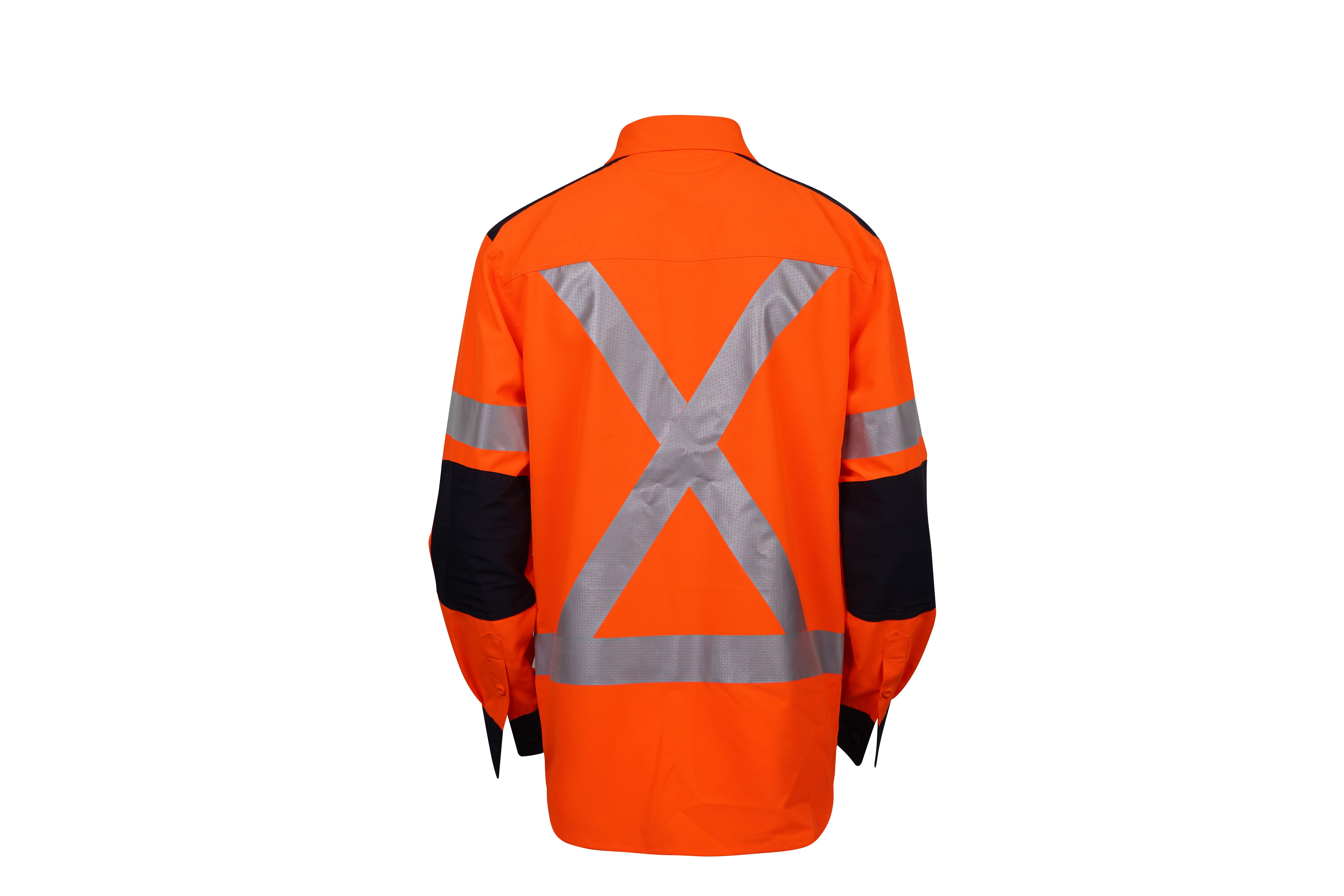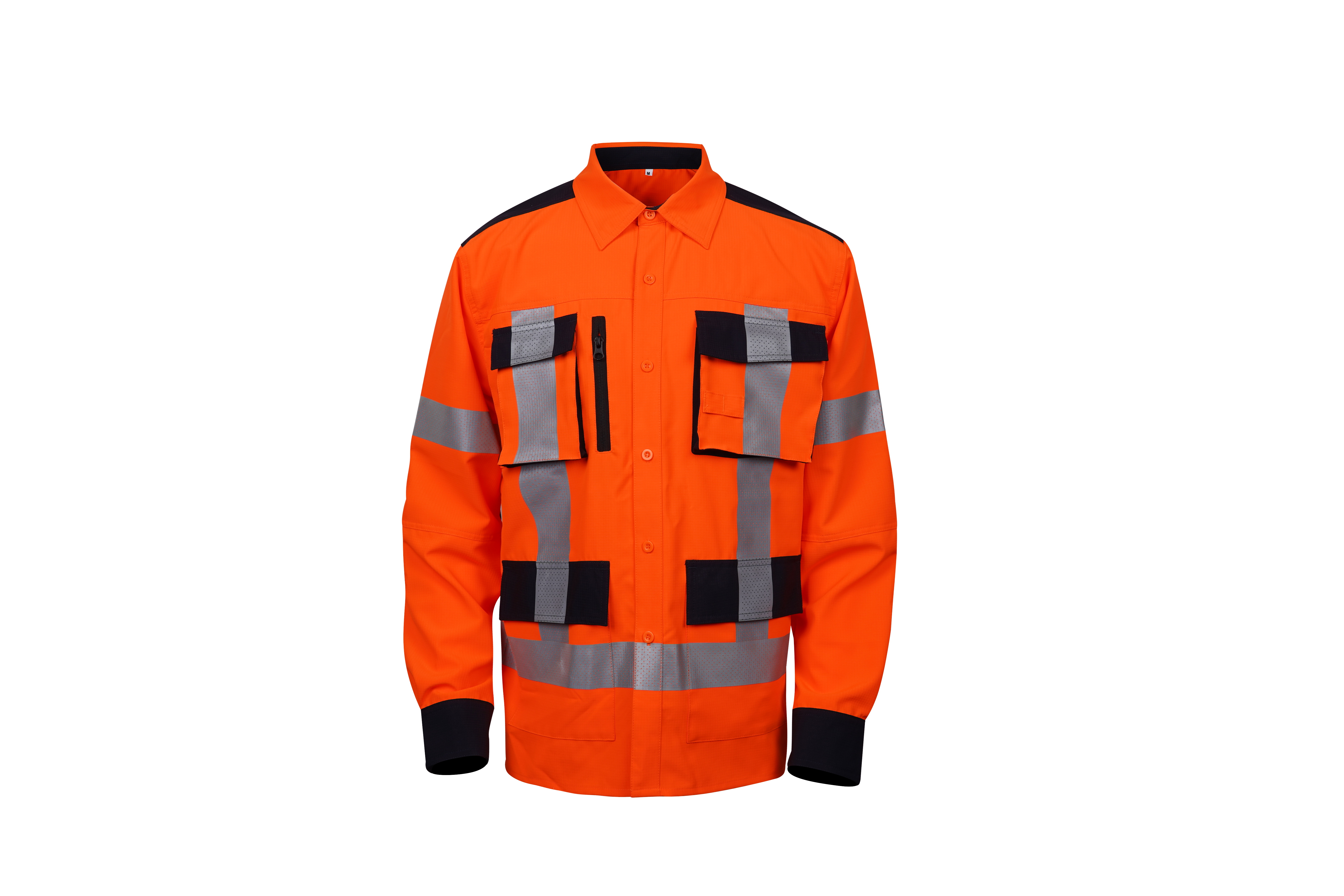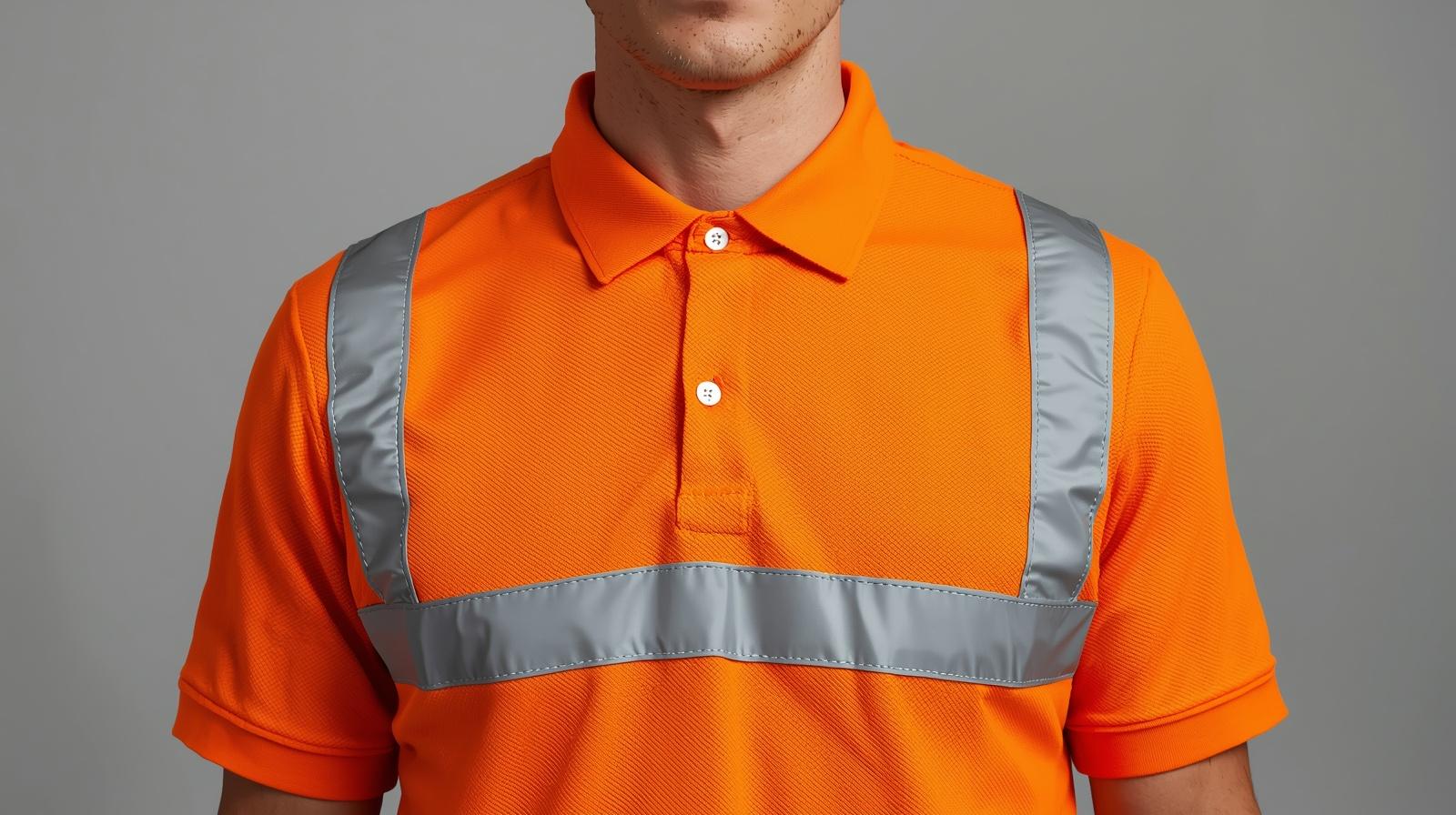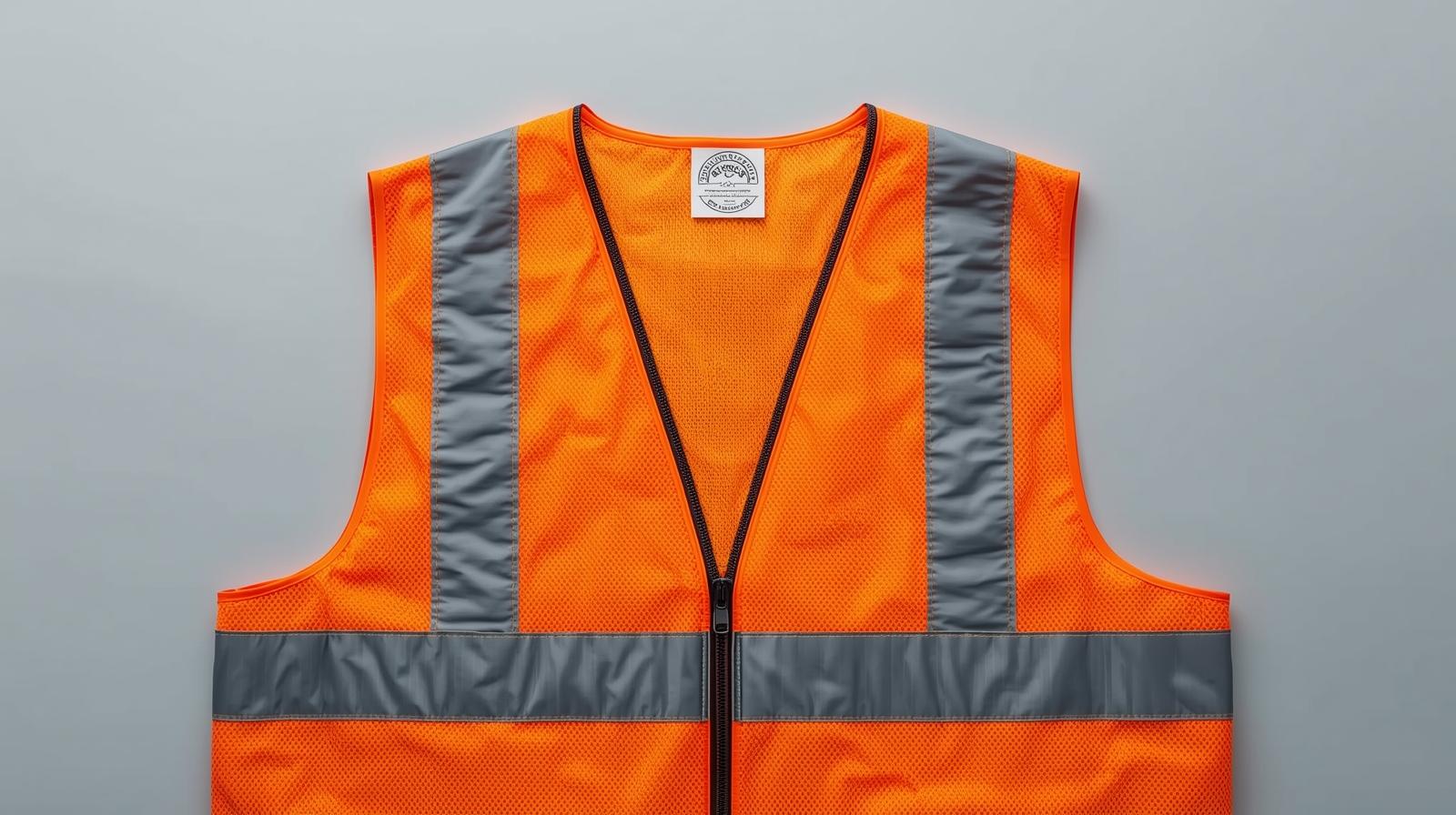
In many sourcing projects, buyers initially treat workwear vests as simple garments. However, problems often appear after garments are put into daily use: pockets tear under tool weight, fabrics lose shape after repeated washing, or reflective elements begin to peel after several weeks of outdoor exposure.
These issues usually stem from design shortcuts rather than material defects. AOKENEW addresses these problems by combining durable fabrics, reinforced pocket structures, and controlled reflective integration, ensuring that workwear vests maintain reliability in real working environments. A workwear vest manufacturer must design products for continuous use, not occasional wear.
Why Workwear Vests Require Specialized Manufacturing
Mobility and Function in a Compact Garment
Unlike jackets or full uniforms, vests must balance mobility, storage capacity, and visibility within a smaller structure. Workers rely on vests for quick-access tools, identification, and safety visibility without restricting arm movement.
Typical functional requirements include:
-
High mobility during lifting or bending
-
Reinforced storage areas for tools or equipment
-
Lightweight construction to reduce fatigue
A workwear vest manufacturer therefore focuses heavily on structural efficiency rather than simply reducing fabric coverage.
Fabric Materials Used in Professional Workwear Vests
Polyester and Polyester Blends
Most industrial workwear vests use 100% polyester or polyester blends due to durability and color stability.
Key material characteristics:
-
Fabric weight typically 120–300 g/m² depending on application
-
High resistance to abrasion and repeated washing
-
Good compatibility with reflective materials
These fabrics maintain appearance and visibility even after frequent laundering.
Mesh Fabrics for Breathability
In warm climates or high-activity jobs, mesh fabrics are commonly used.
Typical mesh parameters:
| Parameter | Typical Range |
|---|---|
| Fabric weight | 110–180 g/m² |
| Air permeability | 200–500 mm/s |
| Washing durability | 25–40 cycles |
| Stretch recovery | Moderate |
A workwear vest manufacturer chooses mesh structures to reduce heat buildup while maintaining enough strength for reflective integration.
Structural Design That Determines Vest Durability
Reinforced Pocket Construction
Workwear vest pockets frequently carry:
-
Hand tools
-
Radios
-
Phones
-
Small equipment
To prevent tearing, professional vests use:
-
Double stitching seams
-
Bar-tack reinforcement at stress points
-
Heavy-duty pocket fabric layers
This reinforcement allows pockets to handle 2–5 kg localized load without deformation.
Reflective Placement Strategy
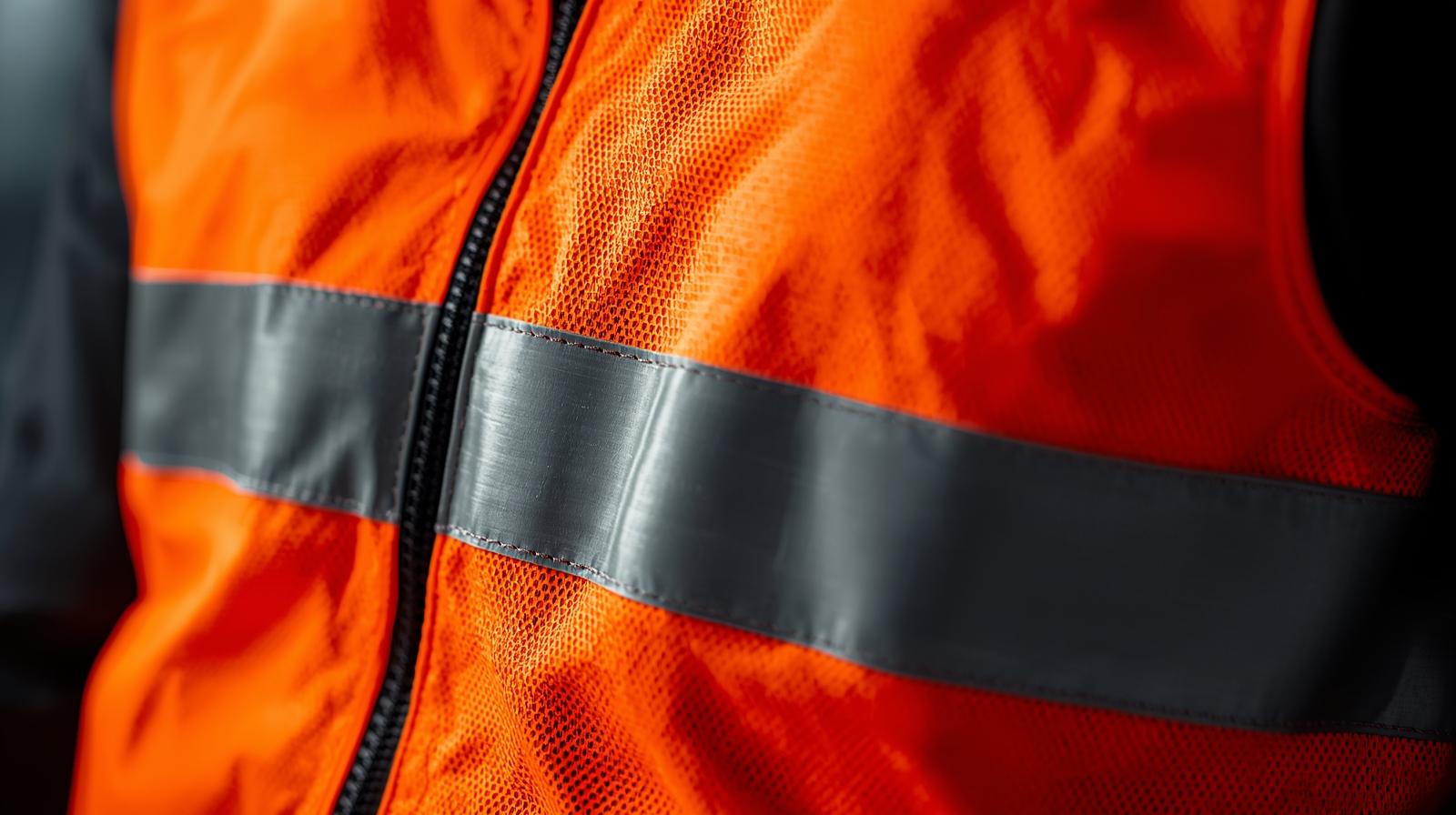
Reflective visibility depends on placement rather than quantity alone.
Typical reflective configurations include:
-
360° reflective band around torso
-
Shoulder reflective strips for overhead visibility
-
Dual reflective lines for motion recognition
According to ISO 20471 high visibility standards, reflective placement must maintain continuous visibility from multiple viewing angles.
Reference: https://www.iso.org/standard/50325.html
A workwear vest manufacturer integrates reflective elements as part of garment structure rather than decorative additions.
Application Matching: Choosing the Right Workwear Vest
Construction and Roadside Work
Workers operating near traffic require maximum visibility.
Recommended vest features:
-
High-visibility fluorescent fabric
-
Wide reflective tape coverage
-
Durable woven fabric construction
Logistics and Warehouse Operations
Warehouse staff require flexibility and breathability.
Typical vest design:
-
Lightweight polyester or mesh fabric
-
Multiple storage pockets
-
Moderate reflective coverage
Service and Corporate Field Teams
Corporate field teams require functional garments that maintain a professional appearance.
Preferred design features:
-
Clean pocket layout
-
Controlled reflective placement
-
Durable yet lightweight fabric
A workwear vest manufacturer adapts vest design based on user environment rather than offering a single universal model.
Manufacturing Comparison: Generic Vest vs. Professional Workwear Vest
| Evaluation Aspect | Generic Work Vest | AOKENEW Workwear Vest |
|---|---|---|
| Fabric durability | Basic polyester | Industrial-grade polyester |
| Pocket reinforcement | Minimal stitching | Bar-tack reinforced pockets |
| Reflective integration | Decorative placement | ISO-aligned visibility design |
| Washing durability | 10–20 cycles | 30–50 cycles |
| Batch consistency | Variable | Controlled production |
| Long-term performance | Moderate | More stable |
This comparison highlights why vest manufacturing quality directly affects long-term usability.
MOQ, Lead Time, and Customization
MOQ Planning
Typical production MOQ for workwear vests ranges from:
-
500–1000 pieces per design
This ensures stable fabric sourcing and reflective material consistency.
Lead Time Structure
Standard production timeline:
-
Sampling: 5–7 days
-
Material preparation: 7–12 days
-
Bulk production: 20–30 days
Changing reflective material or fabric after sampling often increases lead time significantly.
Customization Options
Common customization features include:
-
Logo printing or embroidery
-
Custom reflective layouts
-
Pocket configuration changes
A workwear vest manufacturer integrates customization without affecting safety visibility or garment durability.
Frequently Asked Questions
Q: Why do some workwear vests tear at the pockets?
A: Pocket stress points are often not reinforced. Professional vests use bar-tack stitching and layered fabrics to prevent tearing.
Q: Is mesh or solid fabric better for workwear vests?
A: Mesh provides better ventilation, while solid fabrics offer higher durability. The choice depends on working conditions.
Q: How can buyers ensure vest quality before bulk production?
A: Check fabric weight, reflective material type, reinforcement stitching, and washing durability during sampling.
Closing Perspective
Selecting the right vest requires balancing visibility, durability, and mobility. A workwear vest manufacturer must design garments that support daily work tasks while maintaining consistent safety performance.
AOKENEW produces workwear vests using durable fabrics, reinforced structures, and controlled manufacturing processes to ensure reliable performance across different industries. You can explore our vest product range and manufacturing capabilities on our homepage: https://www.aokenew.com.
If you have specific requirements—such as custom pocket layouts, reflective configurations, or bulk supply planning—you are welcome to reach out through our Contact Us page: https://www.aokenew.com/contact-us.