
Softshell Work Jacket Supplier: Why Many Jackets Fail in Real Weather Conditions
In outdoor work environments, softshell jackets are expected to provide comfort, flexibility, and protection against wind and light rain. However, common issues quickly appear—jackets lose water resistance after several washes, trap heat during physical activity, or fail to block wind effectively.
These problems are usually caused by poor fabric layering and unbalanced performance design. AOKENEW addresses these challenges by engineering multi-layer softshell systems, controlled lamination processes, and performance-balanced fabrics, ensuring that softshell jackets perform reliably across changing conditions. A professional softshell work jacket supplier must design for real weather, not just initial appearance.
Understanding Softshell Fabric Systems
The Three-Layer Structure
Most industrial softshell jackets use a layered construction:
- Outer layer: abrasion-resistant fabric
- Middle layer: membrane for water resistance and breathability
- Inner layer: fleece or brushed lining for comfort and insulation
This structure allows softshell jackets to balance protection and flexibility.
Key Performance Parameters
Professional softshell fabrics are evaluated based on measurable metrics:
| Parameter | Typical Range |
|---|---|
| Water resistance | 5,000–10,000 mm |
| Breathability | 3,000–8,000 g/m²/24h |
| Fabric weight | 280–380 g/m² |
| Wind resistance | High (near windproof) |
A softshell work jacket supplier must optimize these values depending on working conditions.
Balancing Water Resistance and Breathability
Why Over-Protection Causes Discomfort
Increasing water resistance often reduces breathability. This leads to:
- Heat buildup during physical work
- Moisture accumulation inside the garment
- Reduced wearer comfort
Achieving Performance Balance
Professional softshell systems balance:
- Moderate waterproofing for light rain
- High breathability for active work
- Wind resistance for outdoor environments
A softshell work jacket supplier engineers fabrics to avoid over-specification that harms usability.
Structural Design for Industrial Use
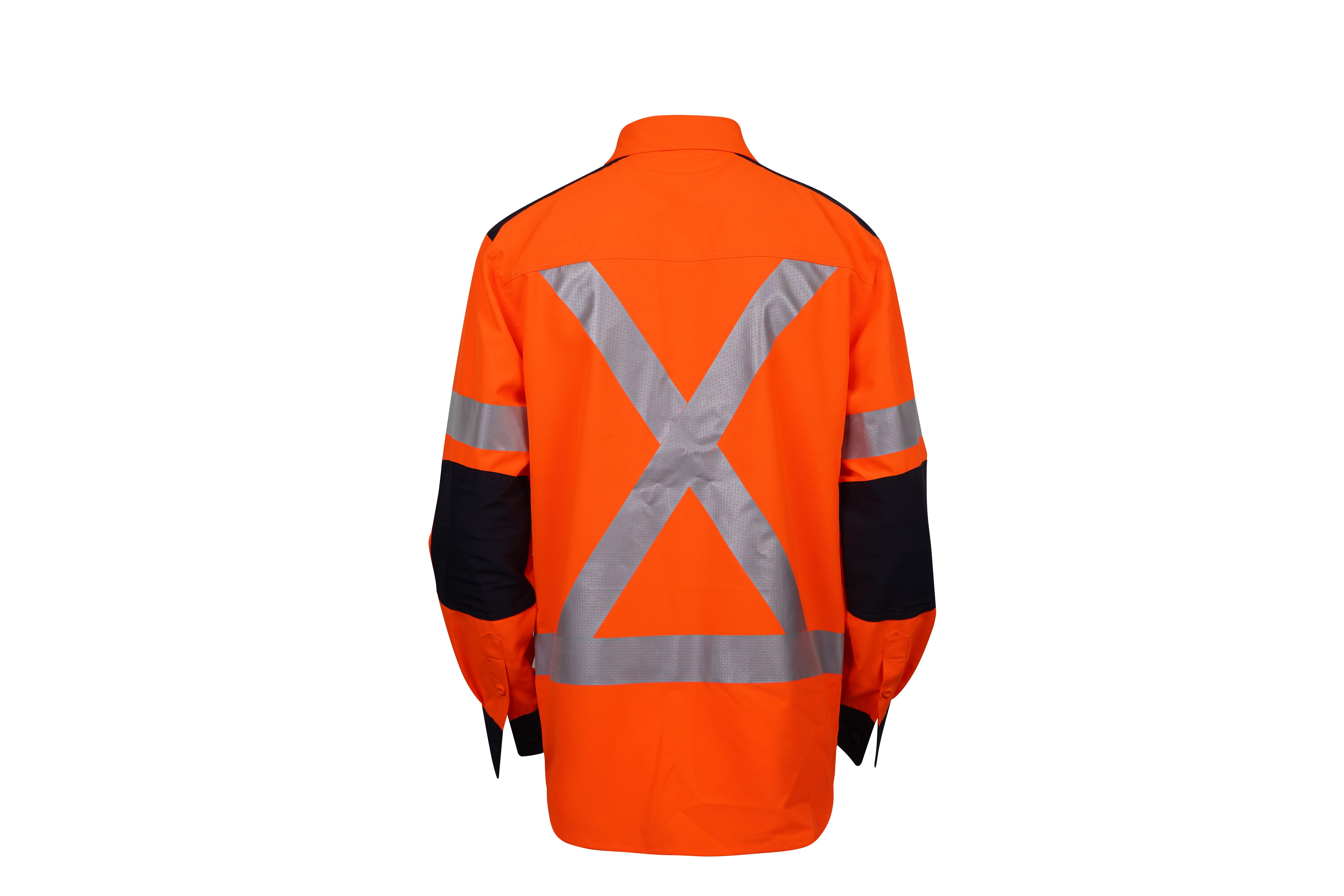
Reinforcement in High-Stress Areas
Softshell jackets must withstand repeated movement and friction.
Common reinforcement areas:
- Shoulders (load-bearing)
- Elbows (bending stress)
- Zipper zones (frequent use)
These reinforcements extend garment lifespan without compromising flexibility.
Ergonomic Fit and Movement
Unlike rigid outerwear, softshell jackets must support:
- Arm movement
- Bending and lifting
- Layering compatibility
Design features include articulated sleeves and stretch panels.
Application Matching: Choosing the Right Softshell Jacket
Outdoor Construction and Infrastructure
Requirements:
- High wind resistance
- Moderate water protection
- Durable outer fabric
Logistics and Field Operations
Focus areas:
- Breathability
- Lightweight construction
- Flexibility for movement
Corporate and Service Workwear
Key features:
- Clean appearance
- Comfortable fit
- Moderate weather protection
A softshell work jacket supplier adapts product design based on actual usage scenarios.
Manufacturing Comparison: Generic Softshell vs Industrial Softshell
| Evaluation Aspect | Generic Softshell Jacket | AOKENEW Softshell Work Jacket |
|---|---|---|
| Water resistance | Basic | Controlled performance |
| Breathability | Limited | Balanced |
| Fabric durability | Moderate | Reinforced |
| Layer structure | Simplified | Engineered |
| Washing durability | 15–25 cycles | 30–50 cycles |
| Long-term performance | Variable | Stable |
This comparison highlights how fabric engineering affects real-world performance.
MOQ, Lead Time, and Customization
MOQ Planning
Typical MOQ for softshell jackets:
- 500–1000 pcs per design
This ensures consistent fabric lamination and material sourcing.
Lead Time Overview
Standard production timeline:
- Sampling: 7–10 days
- Fabric preparation: 10–15 days
- Bulk production: 25–40 days
Softshell lamination processes are a key factor in lead time.
Customization Options
Customization may include:
- Logo embroidery or printing
- Color matching
- Fabric performance adjustment
- Reinforced panel design
A softshell work jacket supplier integrates customization without affecting performance balance.
Frequently Asked Questions
Q: Are softshell jackets fully waterproof?
A: No. They are typically water-resistant and designed for light rain, not heavy downpours.
Q: Why do some softshell jackets feel hot during use?
A: This is often due to low breathability or over-engineered waterproofing.
Q: How can buyers evaluate softshell jacket quality?
A: Check water resistance, breathability ratings, fabric weight, and structural reinforcement during sampling.
Closing Perspective
Softshell jackets are designed to balance protection and comfort, but achieving that balance requires precise material and structural engineering. A reliable softshell work jacket supplier ensures that garments perform consistently across changing environments and repeated use.
AOKENEW develops softshell work jackets using controlled fabric systems, balanced performance parameters, and reinforced construction to deliver reliable results in real working conditions. You can explore our jacket product range and manufacturing capabilities on our homepage: https://www.aokenew.com.
If you have specific requirements—such as selecting the right performance level, customizing design features, or planning bulk production—you are welcome to contact our team through our Contact Us page: https://www.aokenew.com/contact-us.