
Why Buyers Start Looking for a Custom Safety Workwear Factory
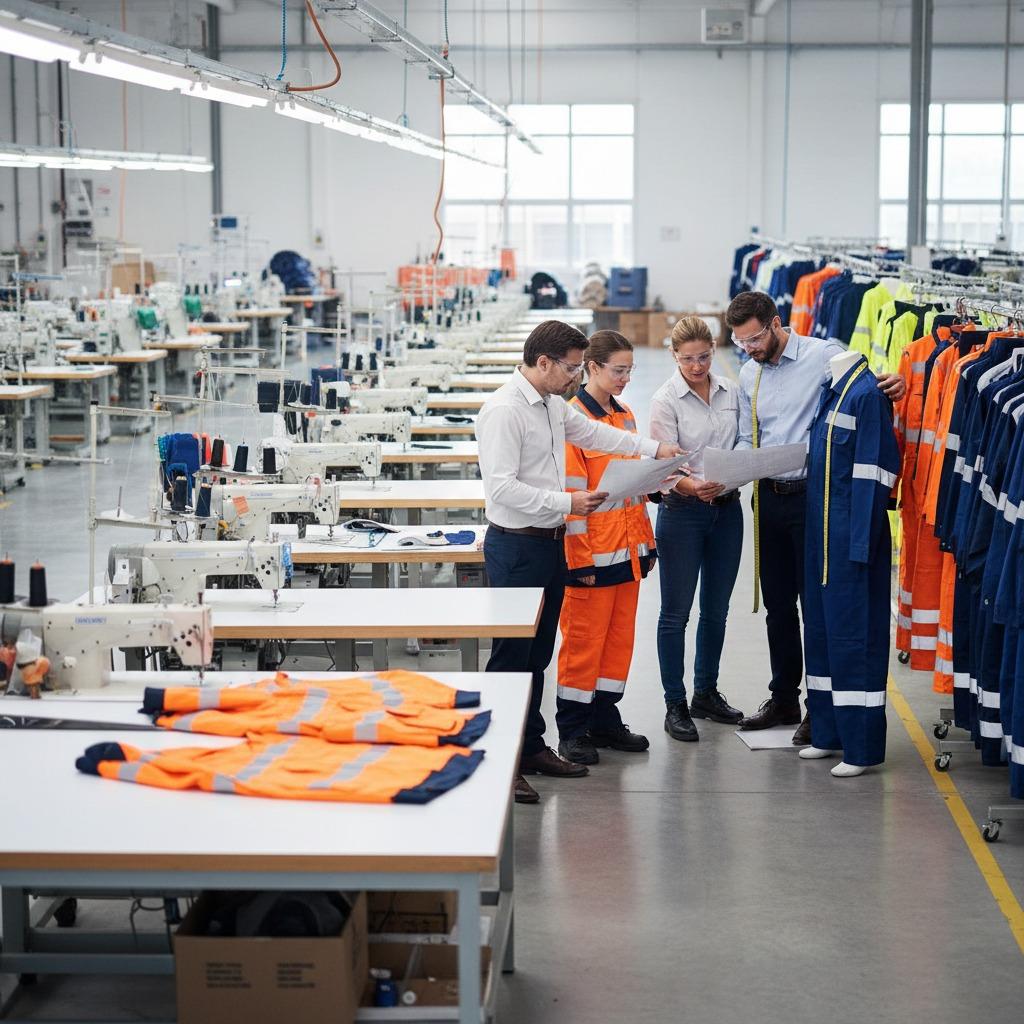
When a plant manager, procurement lead, or brand owner starts searching for a custom safety workwear factory, the real question is usually not just “Who can sew uniforms?” It is “Who can build workwear that fits the job, the people, and the risk profile without creating headaches in the field?” That is a different brief entirely. Safety garments have to do more than look consistent on a hangar rack or in a catalogue. They have to survive hard use, support movement, remain identifiable on site, and align with the protection level the work actually demands.
For many buyers, the decision comes down to balancing three things: compliance needs, wear comfort, and supply reliability. If one of those falls short, the costs show up quickly in replacements, worker complaints, or worse, avoidable incidents. That is why the choice of manufacturer matters as much as the garment design itself.
What a Good Custom Program Usually Covers
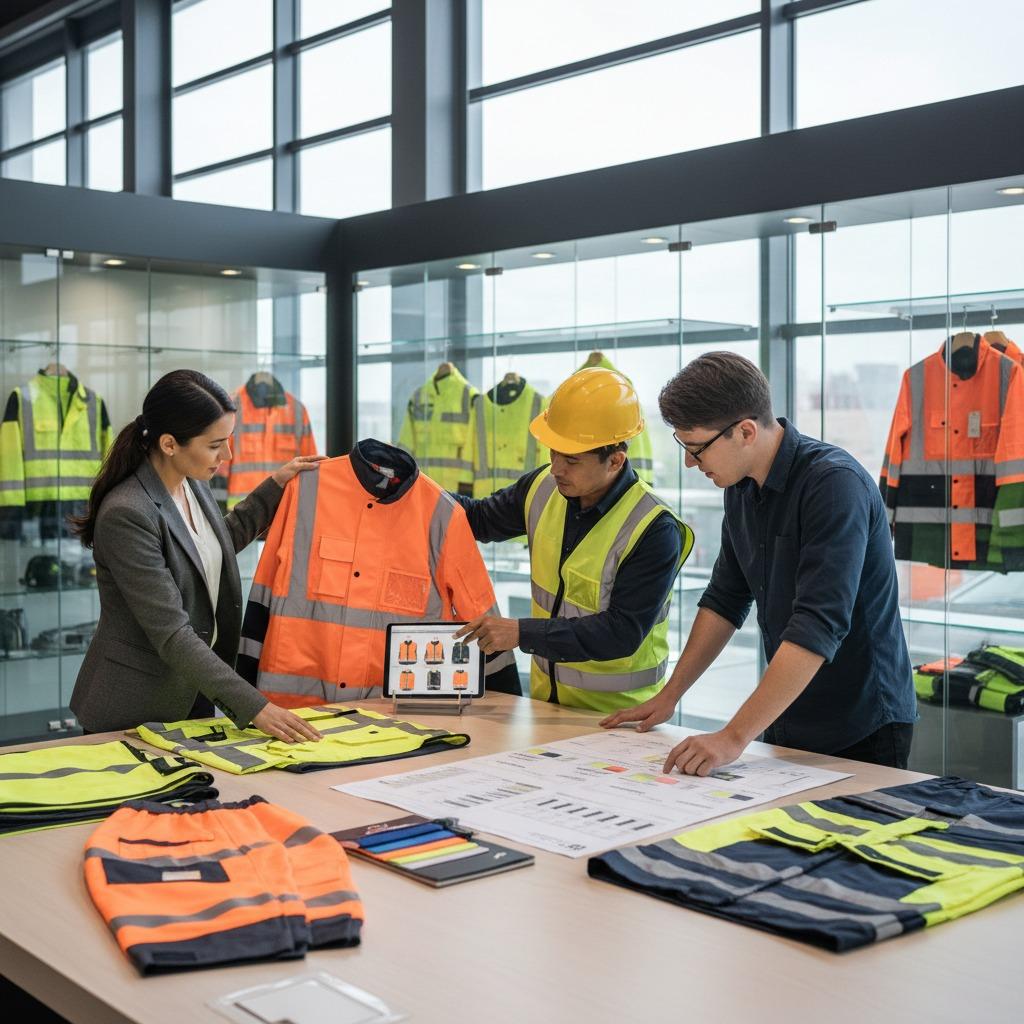
A capable PPE workwear manufacturer typically offers more than decoration or logo placement. Buyers should expect support in garment development, fabric selection, sizing planning, sample refinement, and production consistency. In practice, a strong program often includes:
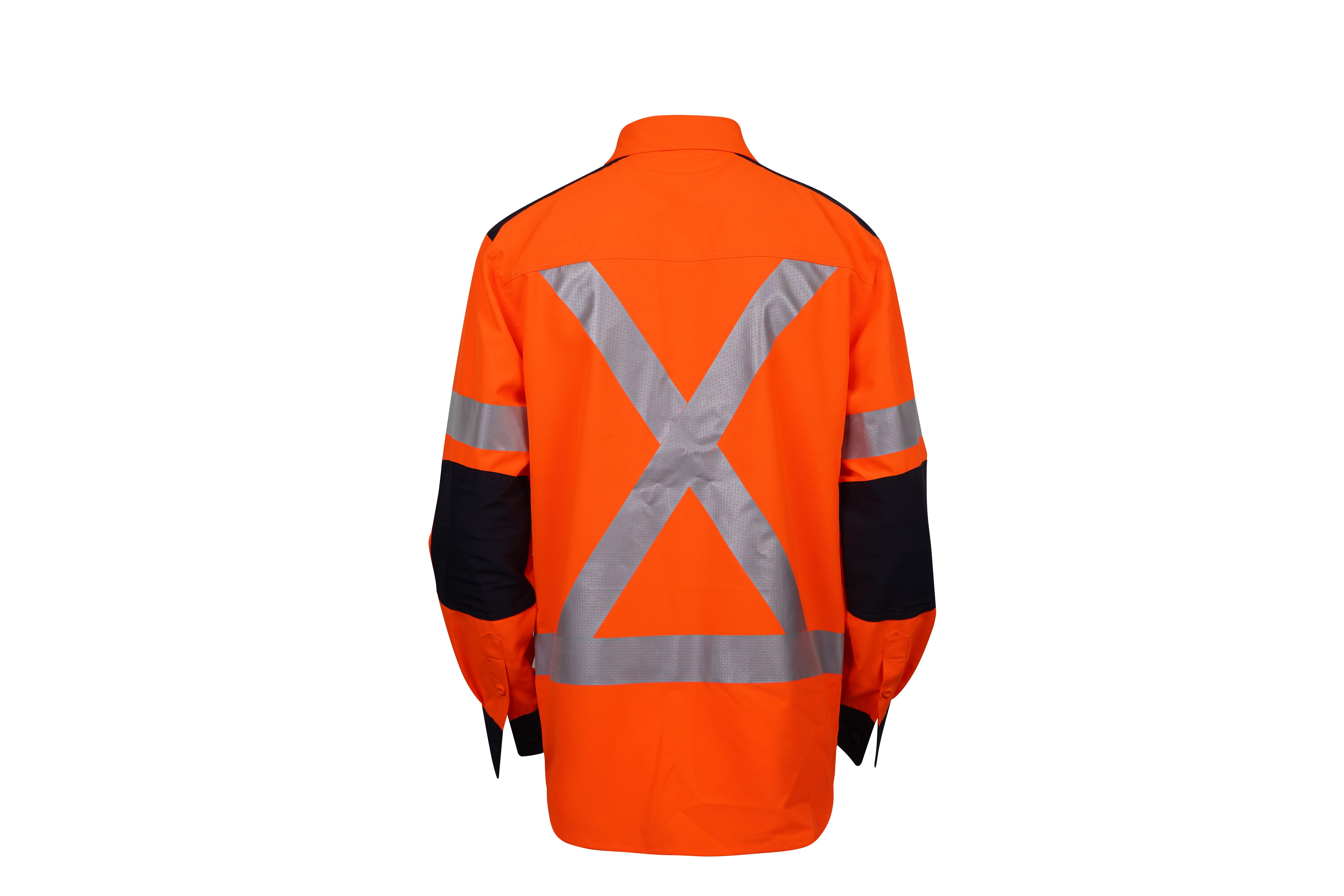
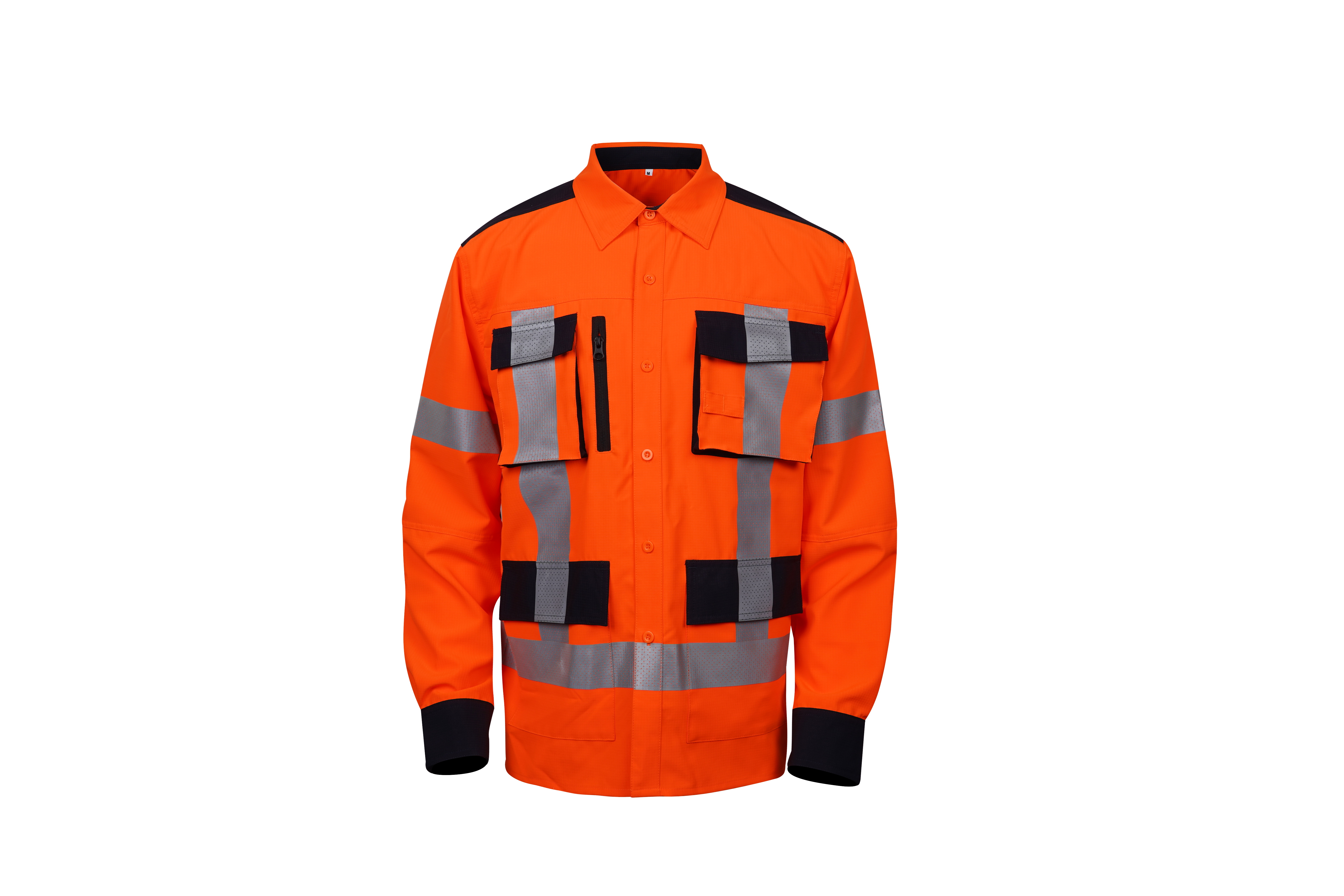
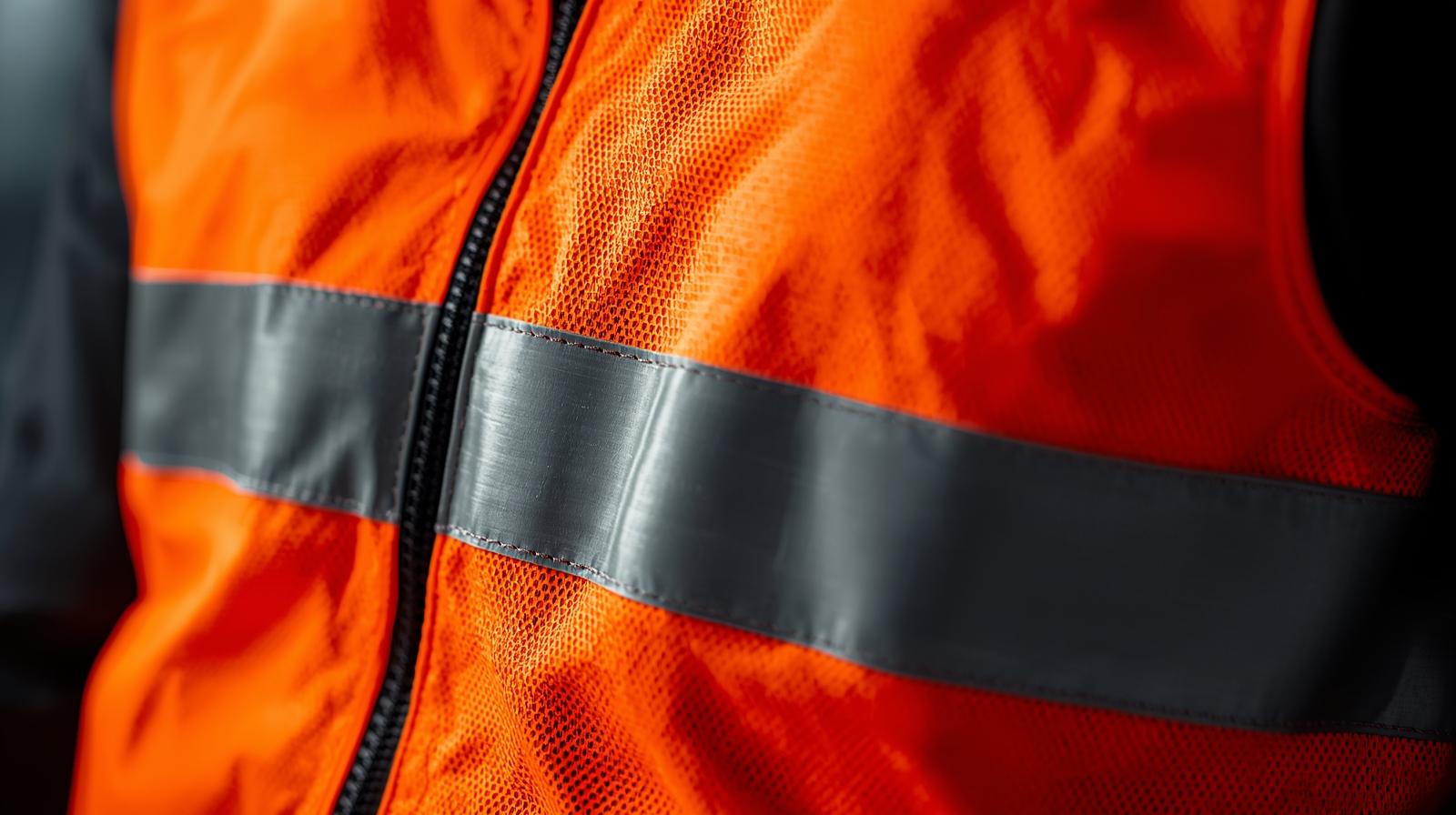
- High-visibility garments for site roles where being seen matters
- Flame-resistant or heat-aware garments for certain industrial environments
- Durable utility workwear for abrasion-heavy jobs
- Layering options for seasonal or outdoor operations
- Branding that does not compromise function, seams, or reflective placement
The best suppliers tend to think in terms of work scenarios, not just SKUs. That distinction matters. A welding team, a warehouse crew, and a road maintenance crew do not need the same construction details, even if the buyer wants a single sourcing partner.
Selection Criteria That Actually Matter
A custom protective clothing supplier should be evaluated on more than price and sample appearance. In sourcing conversations, the following points are often more useful:
1. Fabric and construction logic
Does the supplier explain why a certain fabric weight, weave, or finishing choice fits the job? Good vendors can discuss durability, breathability, wash performance, and how garment construction affects wear life. If the answer is vague, that is a warning sign.
2. Size range and fit consistency
Safety wear that binds at the shoulders or pulls across the back is not a small nuisance. It can restrict movement and reduce compliance. A supplier should be able to manage grading and fit across the intended size range without creating odd inconsistencies from one batch to the next.
3. Production control
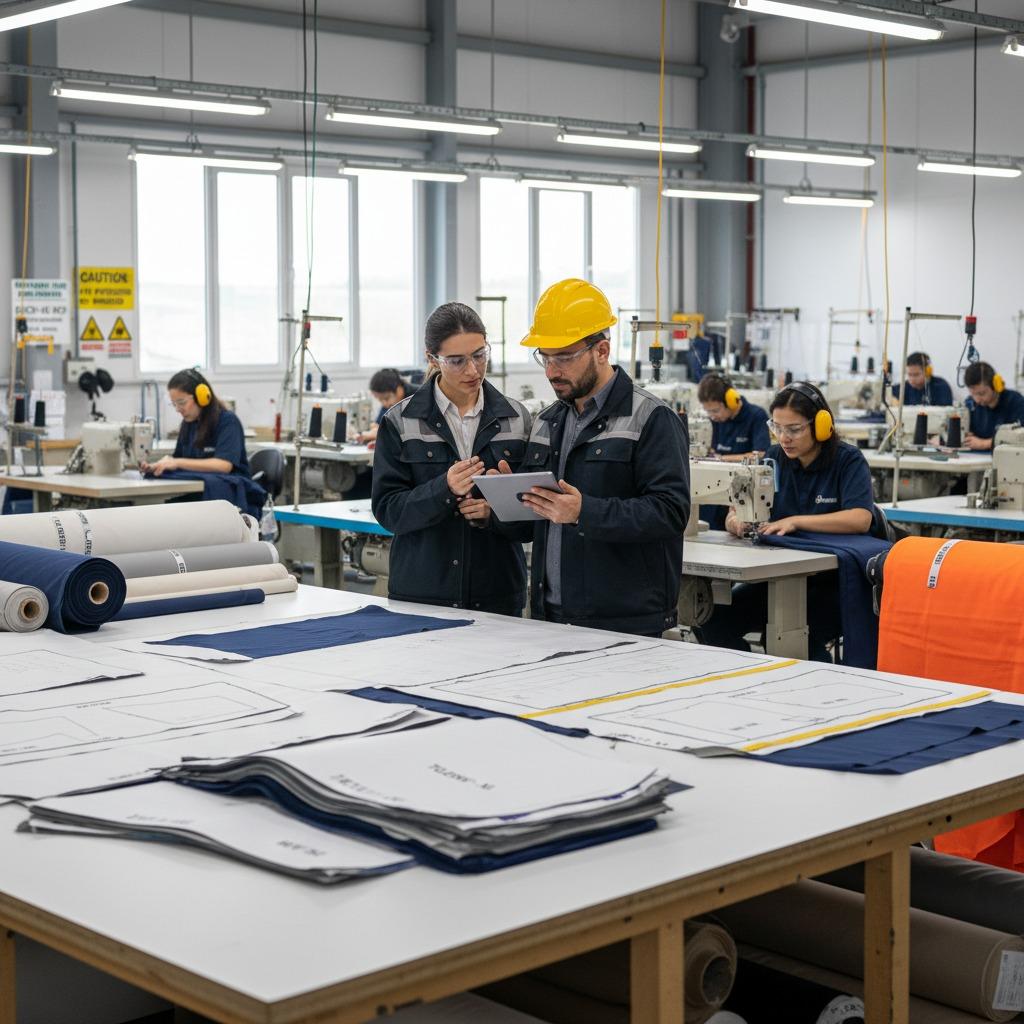
Ask how the factory handles cut planning, stitching checks, and final inspection. Buyers do not need every internal detail, but they do need confidence that repeat orders will look and perform like the first one.
4. Customization boundaries
Some branding changes are simple; others affect placement of reflective tape, pocket access, closures, or reinforcement zones. A practical supplier will point out where customization is safe and where it could interfere with the garment’s function. That kind of pushback is useful, not annoying.
Common Mistakes in Sourcing Safety Workwear
One recurring mistake is treating all workwear as if it were office apparel with heavier stitching. That approach tends to underestimate the demands of industrial environments. Another is approving samples that look good on a table but fail in motion. Workers bend, climb, crouch, carry, and wash garments repeatedly. A specimen that photographs well is not necessarily a field-ready product.
Buyers also sometimes over-specify branding and under-specify performance. A large logo is easy to ask for. Less obvious, but more important, is how the garment handles heat, visibility, abrasion, or laundering cycles. If those questions are left too late, the sourcing team may end up revising the project after production has already started.
How to Compare Factories Without Overcomplicating It
A useful comparison starts with the intended use case. From there, look at sample quality, communication speed, and the factory’s ability to talk through trade-offs. If you are comparing a PPE workwear manufacturer against a general garment factory, pay attention to whether the supplier understands risk-driven design or simply follows a pattern request.
For larger programs, consistency is often more valuable than novelty. A uniform look across departments can help operations, but only if the garments are suitable for each task. In other words, standardization should serve the work, not the other way around.
Buyer Advice for First-Time Custom Orders
If this is your first custom order, start with a limited run and a clear spec sheet. Include garment purpose, preferred fabrics if known, required branding positions, and any non-negotiable functional details. Ask for a sample that reflects the real production method, not just a showpiece.
It also helps to test garments in ordinary conditions. Have supervisors and workers wear them during real shifts, then collect comments on movement, pocket access, heat buildup, and visibility. That feedback is often more valuable than a polished presentation.
FAQ: A Few Practical Questions Buyers Ask
How custom can safety workwear be?
Usually quite custom, but the practical limit depends on the garment type and the performance requirements. Some changes are visual; others affect construction and should be reviewed carefully.
Is a smaller factory always riskier?
Not necessarily. A smaller custom protective clothing supplier may be more responsive, but buyers still need to check consistency, communication, and production discipline.
What matters most in a repeat order?
Consistency. If the second order fits, looks, and performs differently, the sourcing advantage disappears quickly.
What the Right Partner Should Help You Decide
The real value of a custom safety workwear factory is not just making garments to order. It is helping you decide which design choices support safety, durability, and practical use without wasting budget on features that do not matter in the field. The right partner can keep a project grounded when the brief gets too ambitious or too vague.
If you are planning a new safety workwear program, begin with the job hazards, the workers who will wear the garments, and the conditions those garments will face after month three, not just on delivery day. That is usually where the better sourcing decisions are made.