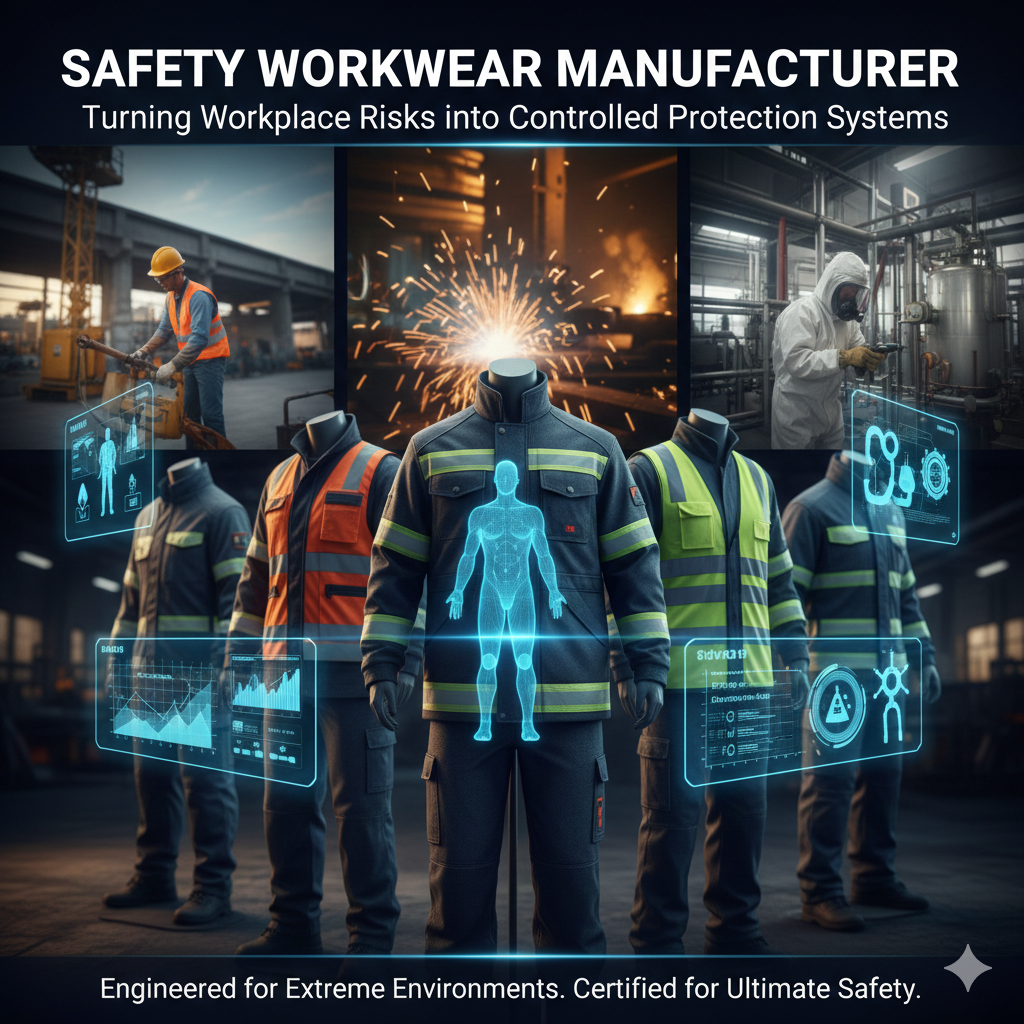
Workplace safety is not achieved by equipment alone. It is the result of identifying risks, mapping exposure points, and applying controlled protective solutions. In this system, a safety workwear manufacturer plays a critical role—translating abstract safety requirements into tangible, repeatable garments.
The difference between adequate protection and reliable protection often lies in how systematically this translation is executed.
From Risk Mapping to Garment Design
Safety Starts Before Fabric Selection
Each work environment presents different hazards—low visibility, abrasion, weather exposure, or mechanical interaction. A generic garment cannot address all of them effectively.
A safety workwear manufacturer begins with risk mapping:
-
Where visibility is compromised
-
Where physical wear is concentrated
-
Where environmental exposure is continuous
Garment design is then built around these mapped risks, not predefined templates.
Material and Structural Decisions That Affect Safety Outcomes
Visibility as a Functional System, Not Decoration
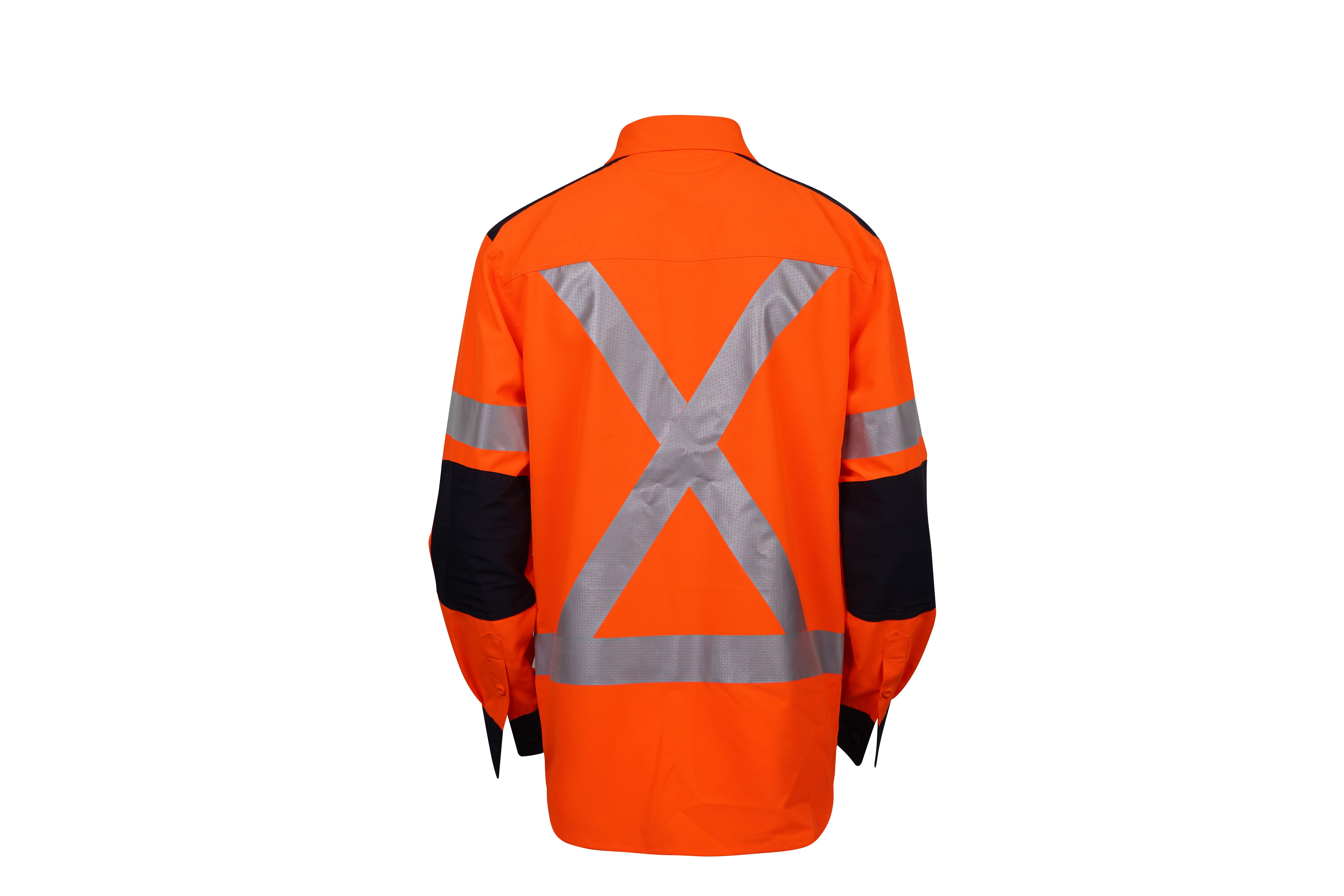
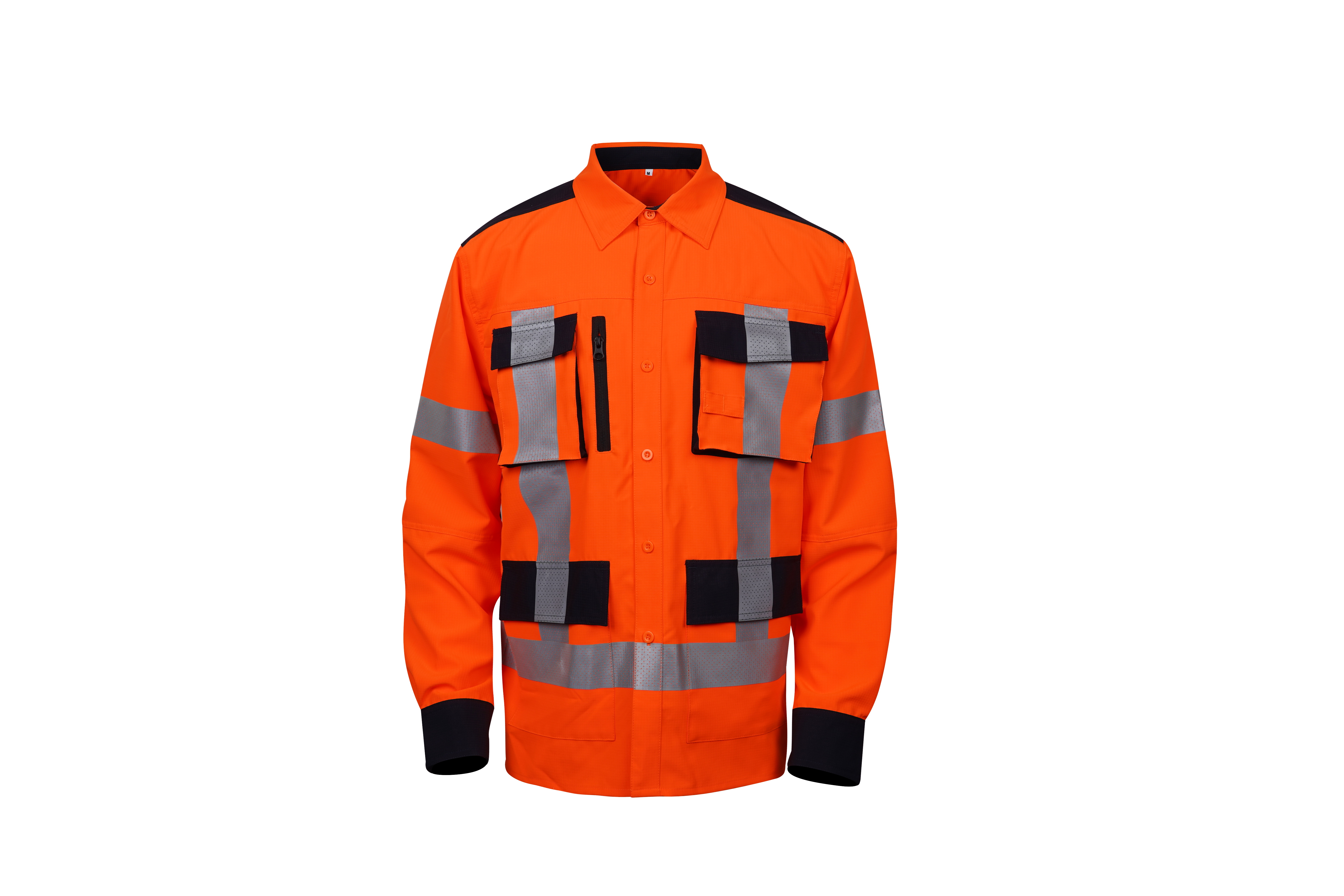
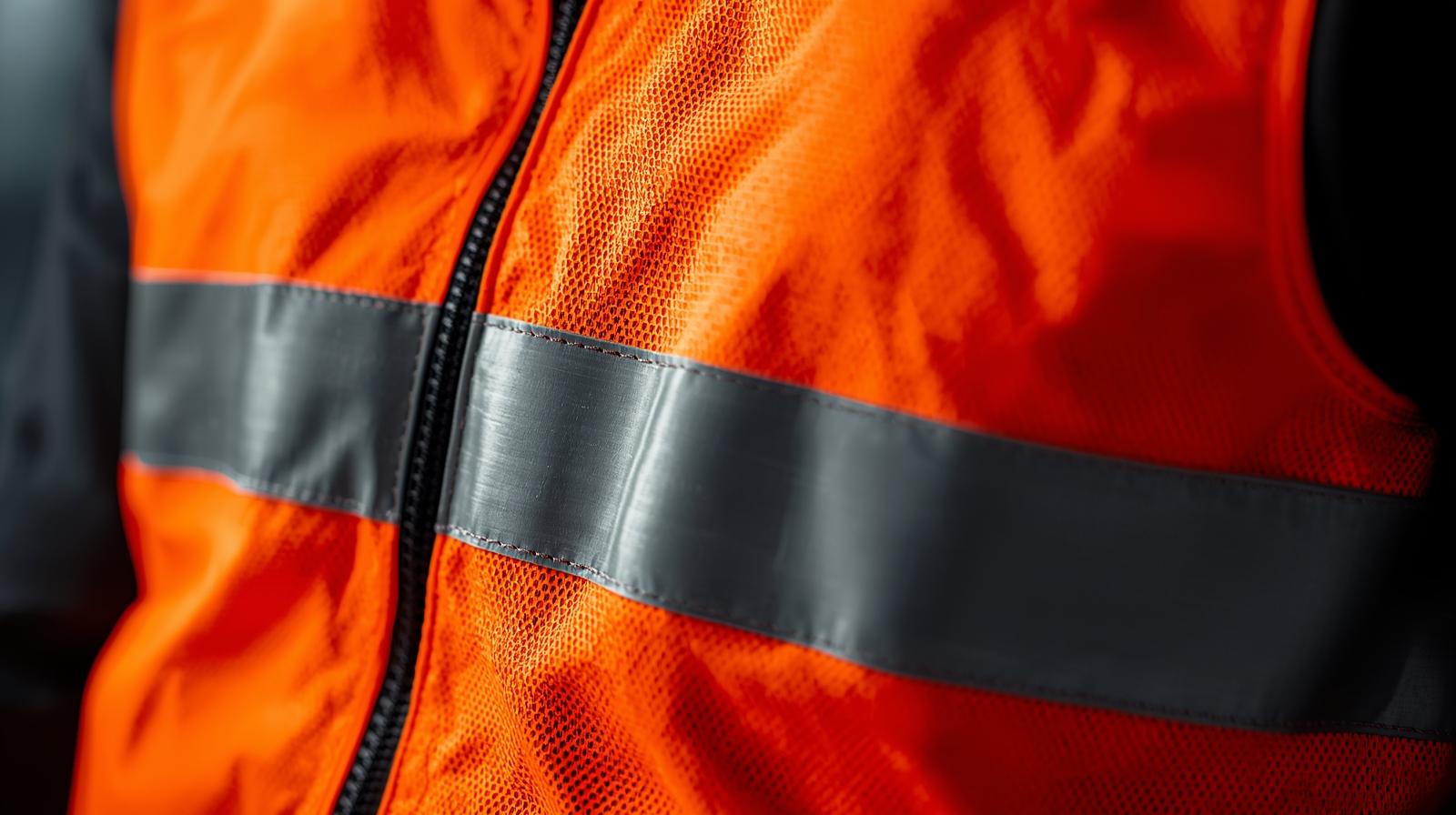
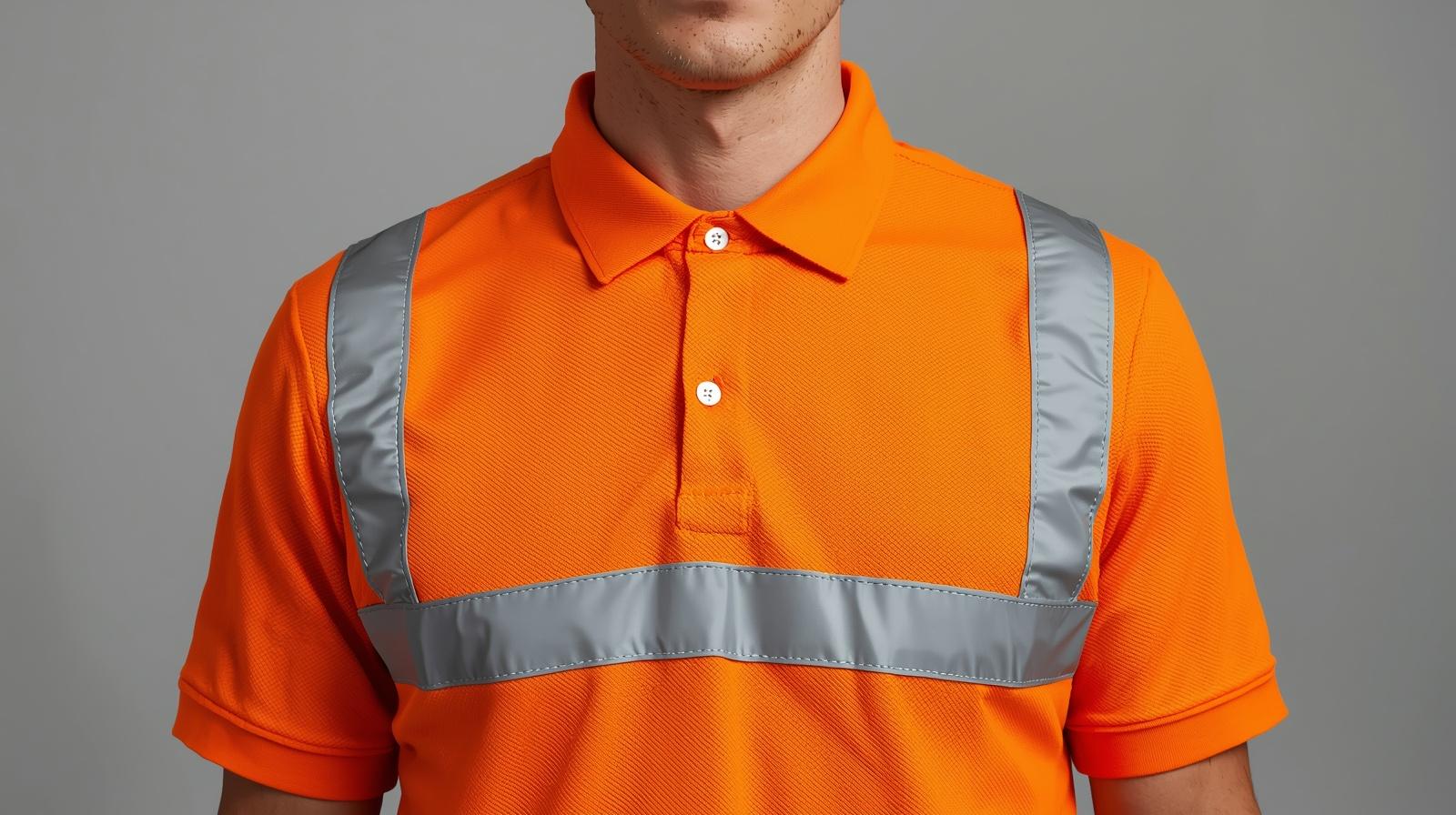
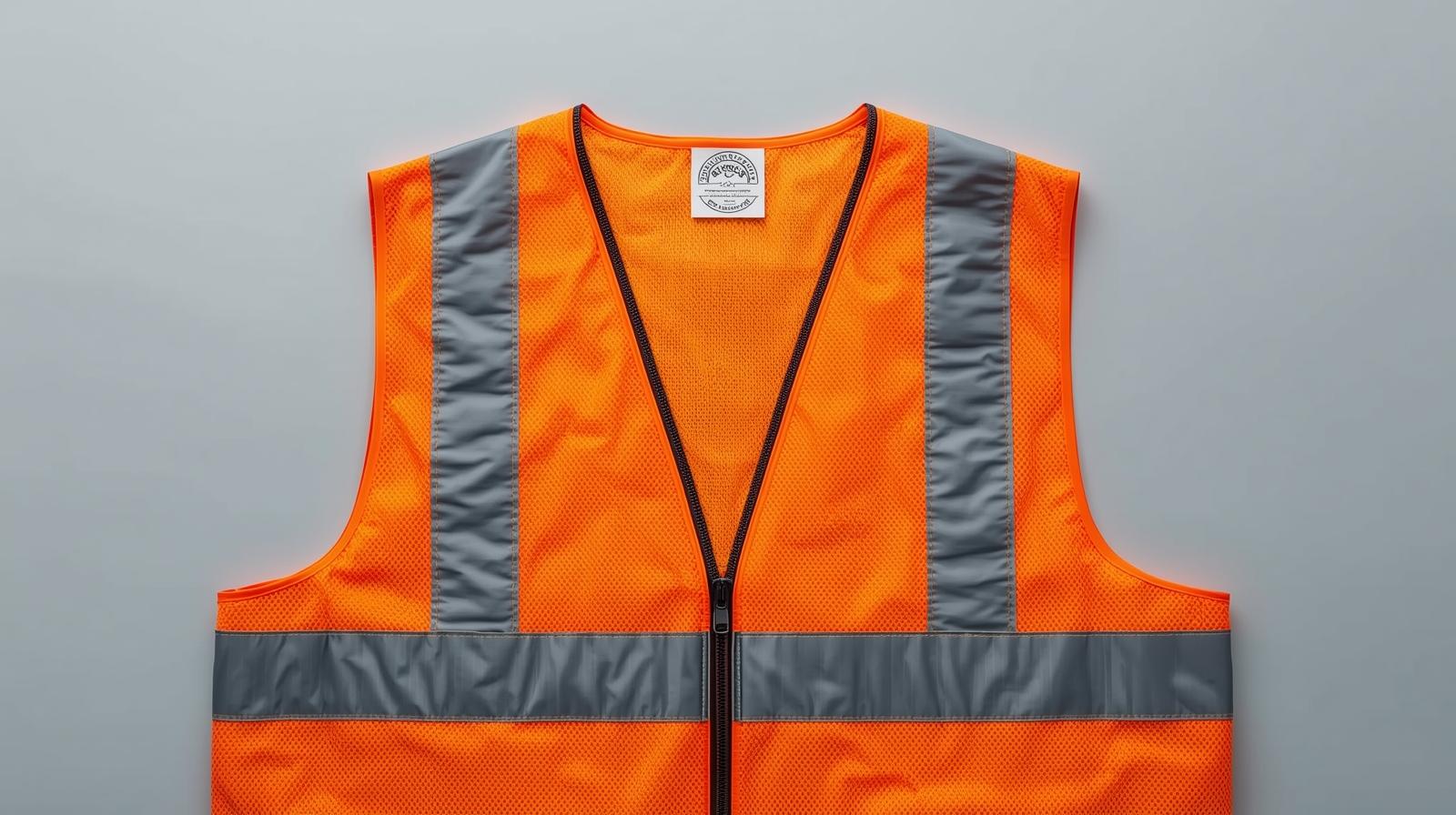
High visibility elements must remain effective after repeated washing and exposure. Placement, width, and integration method all affect long-term performance.
According to international safety frameworks such as ISO 20471 (high-visibility clothing standards), visibility effectiveness depends on contrast, placement, and reflective performance—not just the presence of reflective material.
Reference: https://www.iso.org/standard/50325.html
Structural Reinforcement in Safety Zones
Safety garments often fail at stress points rather than across the entire garment. Reinforcement is applied strategically:
-
Knees and elbows for repetitive motion
-
Pocket areas for tool interaction
-
Shoulder seams for load-bearing
A safety workwear manufacturer uses structure to extend protection duration, not just initial compliance.
Scenario-Based Safety Workwear Solutions
Construction and Roadside Work
In environments with moving vehicles, visibility becomes the primary safety factor. Reflective positioning and color contrast must remain stable over time.
Manufacturing and Industrial Facilities
Here, abrasion and repeated motion dominate. Safety garments focus on durability and structural integrity while maintaining comfort.
Outdoor and Utility Services
Exposure to weather introduces additional risks. Safety apparel integrates protection against rain, wind, and temperature variation without compromising mobility.
A safety workwear manufacturer aligns product design with these distinct risk environments rather than offering one universal solution.
Manufacturing Systems That Support Safety Consistency
Process Control Over Visual Inspection
Safety is not ensured by checking finished garments alone. It requires consistent manufacturing processes—material allocation, stitching sequences, and assembly methods must remain stable across batches.
Quality management standards such as ISO 9001 emphasize process repeatability as a foundation for reliable product performance.
Reference: https://www.iso.org/iso-9001-quality-management.html
Batch Consistency and Compliance Stability
If reflective materials, fabric weights, or construction details vary between batches, safety performance becomes unpredictable. Professional manufacturers document and control these variables from sampling to mass production.
Comparison: Basic Safety Apparel Supplier vs. AOKENEW
| Evaluation Aspect | Basic Safety Supplier | AOKENEW Safety Workwear Model |
|---|---|---|
| Design approach | Product-based | Risk-based |
| Visibility integration | Added feature | Engineered system |
| Structural reinforcement | General | Targeted zones |
| Scenario adaptability | Limited | Environment-specific |
| Batch consistency | Variable | Controlled |
| Long-term safety reliability | Uncertain | More stable |
This distinction explains why experienced buyers evaluate suppliers based on risk control capability rather than product catalogs.
MOQ, Lead Time, and Customization in Safety Workwear
MOQ Planning
MOQ is aligned with material consistency and reflective component sourcing. Fragmented orders may introduce variation in safety performance.
Lead Time Stability
Lead time includes sampling validation, material allocation, and production scheduling. Changes after approval increase risk and delay.
Customization With Safety Integrity
Logos, colors, and trims are integrated without affecting reflective placement or protective structure. A safety workwear manufacturer ensures customization does not compromise safety.
Frequently Asked Questions
Is all high-visibility clothing considered safety workwear?
No. True safety workwear must meet performance and placement standards, not just include reflective elements.
Can safety garments remain effective after repeated washing?
Yes, if materials and construction are designed for durability and retention of performance.
What should be confirmed before bulk production?
Reflective placement, material stability, structural reinforcement, and compliance standards should all be finalized during sampling.
Closing Perspective
Working with a safety workwear manufacturer is ultimately about building a structured approach to risk reduction. When risk mapping, garment engineering, and manufacturing discipline are aligned, safety apparel becomes more predictable, durable, and easier to manage across different work environments.
AOKENEW supports safety workwear programs with scenario-based product development, controlled production processes, and consistent supply across reflective vests, jackets, and industrial garments. You can explore our full product categories and manufacturing capabilities on our homepage: https://www.aokenew.com.
If you have specific requirements or challenges—such as aligning safety apparel with different job roles, maintaining consistency across repeat orders, or planning long-term supply—you are welcome to reach out through our Contact Us page to discuss practical solutions with our team: https://www.aokenew.com/contact-us.