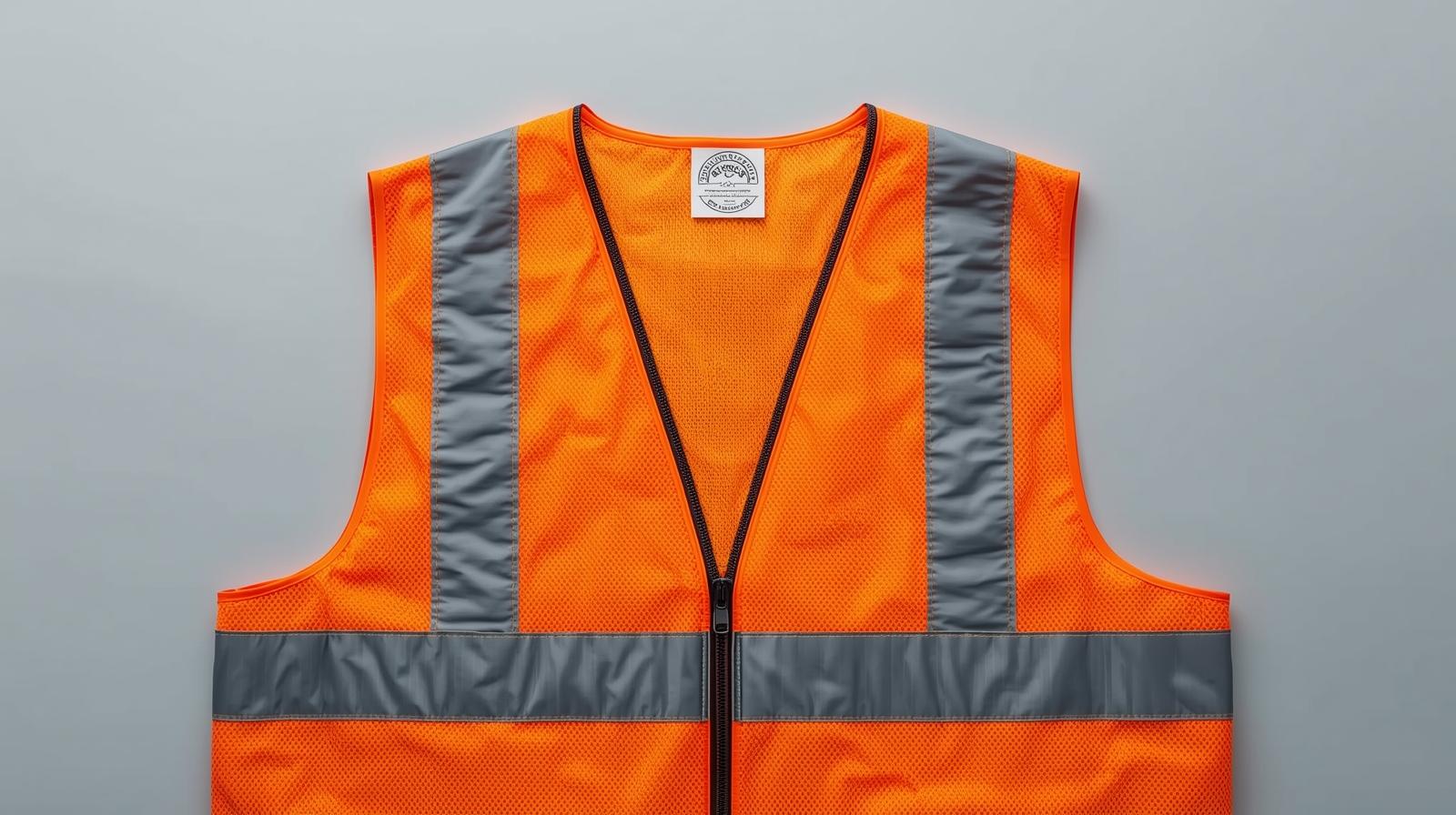

Visibility is one of the most critical safety factors in modern work environments—but not all reflective garments perform equally across different conditions. A reflective workwear manufacturer does not simply add reflective tape to fabric. Instead, it develops garments based on how visibility interacts with movement, lighting, and environment.
The “perfect match” is not universal. It depends on where and how the garment is used.
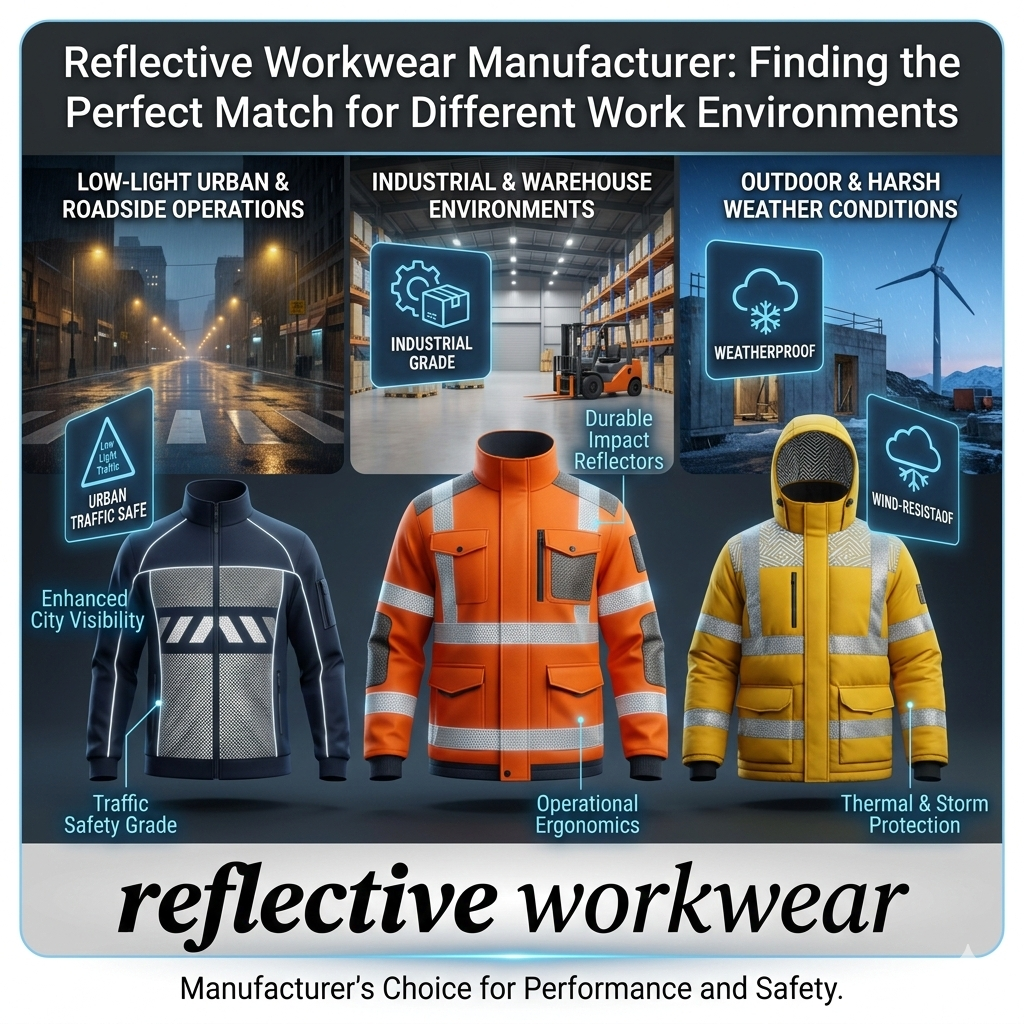
How to Match Reflective Workwear to Different Environments
Low-Light Urban and Roadside Work
Workers operating near traffic require high contrast and strong reflective response under artificial lighting. Garments must ensure visibility from multiple angles.
Typical product features:
-
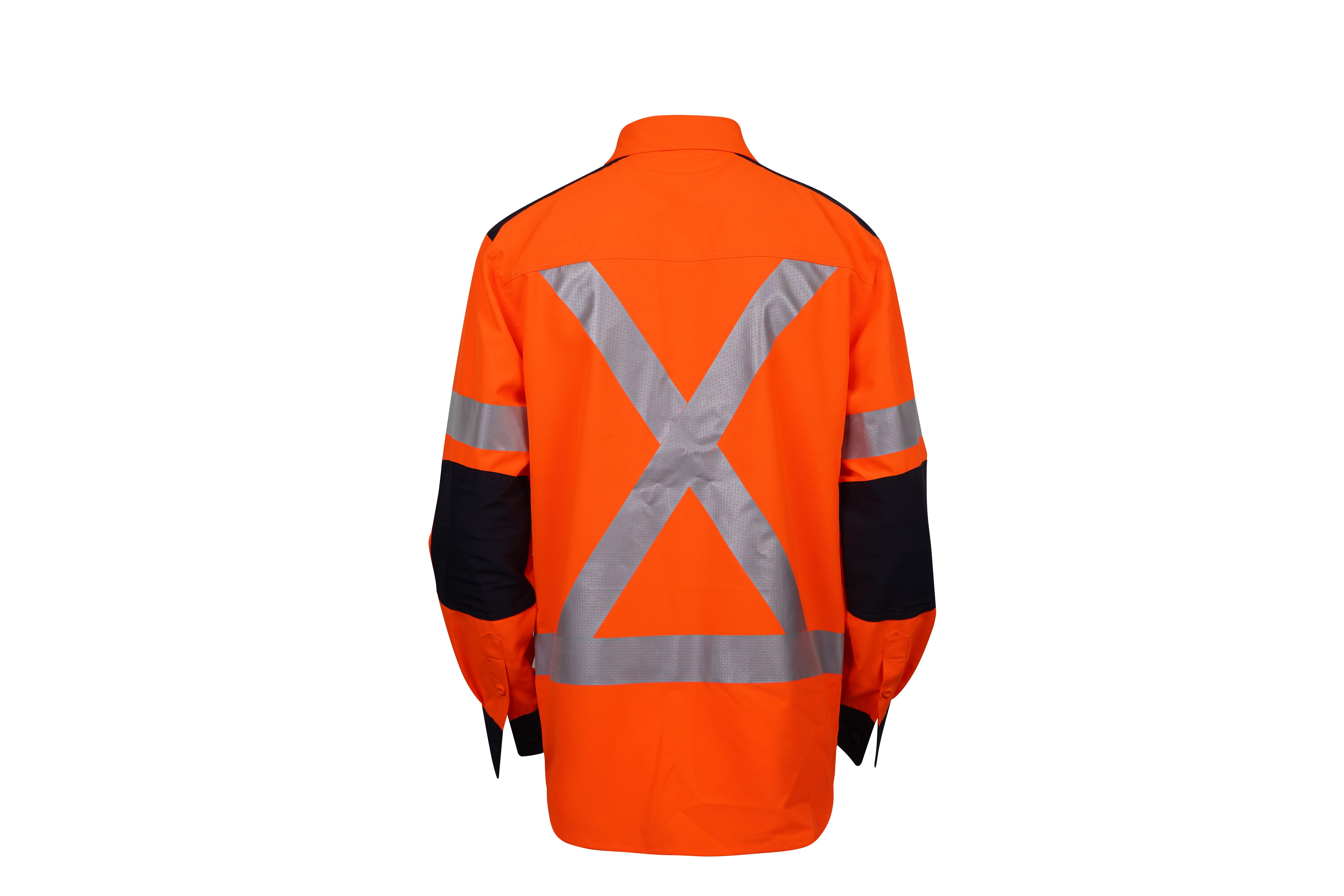
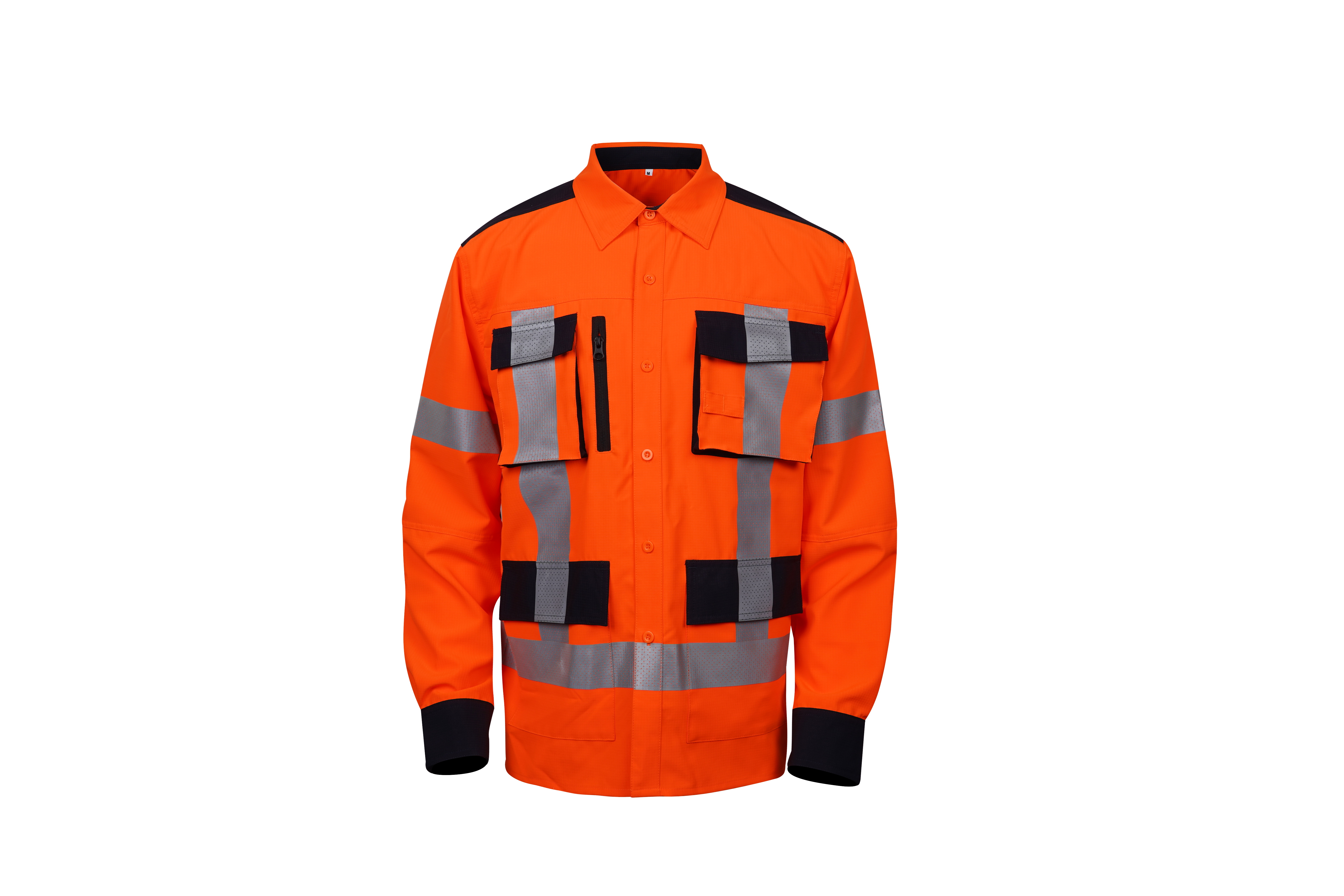
Wide reflective tape placement (front, back, shoulders)
-
High-contrast fluorescent base fabrics
-
Lightweight structure for mobility
A reflective workwear manufacturer prioritizes visibility geometry in these scenarios rather than fabric thickness.
Industrial and Warehouse Environments
In warehouses or factories, lighting is more stable, but visibility still matters in dynamic zones with moving equipment.
Key requirements:
-
Moderate reflectivity without excessive bulk
-
Durable fabric to handle friction and repeated use
-
Balanced flexibility for continuous movement
Here, reflective elements must integrate without interfering with daily operations.
Outdoor and Harsh Weather Conditions
Rain, fog, and low temperatures reduce visibility significantly. Reflective performance must remain stable even under moisture and contamination.
Product focus includes:
-
Weather-resistant outer layers
-
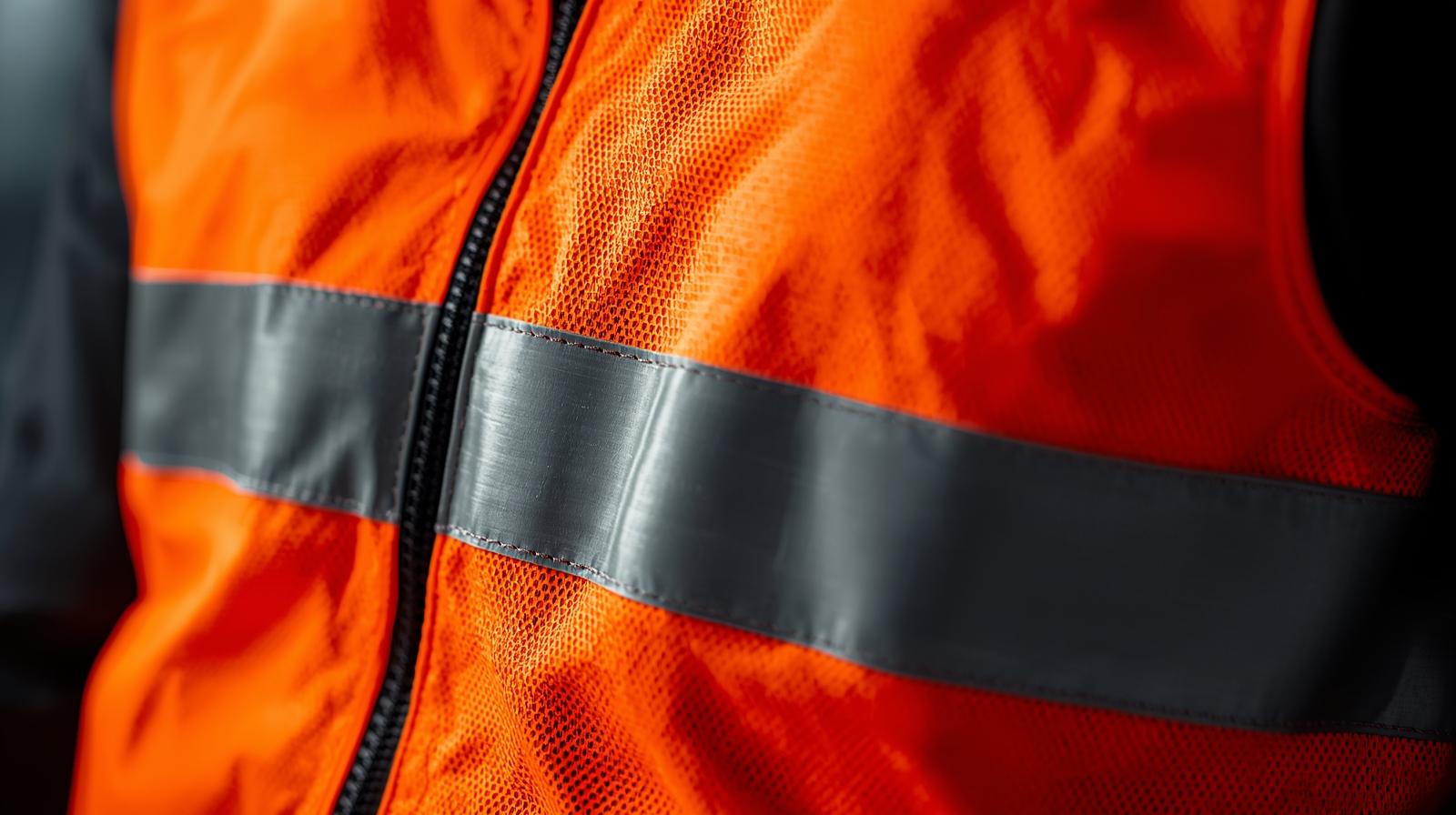
Reflective materials that maintain performance when wet
-
Layered construction for temperature adaptation
A reflective workwear manufacturer ensures visibility is not compromised by environmental conditions.
Matching Reflective Workwear to Different User Groups
Construction and Road Workers
High exposure to traffic requires maximum visibility and durability. Reinforced areas and wide reflective coverage are essential.
Logistics and Delivery Personnel
Mobility and comfort are more critical. Lightweight reflective garments with flexible construction are preferred.
Corporate and Service Teams
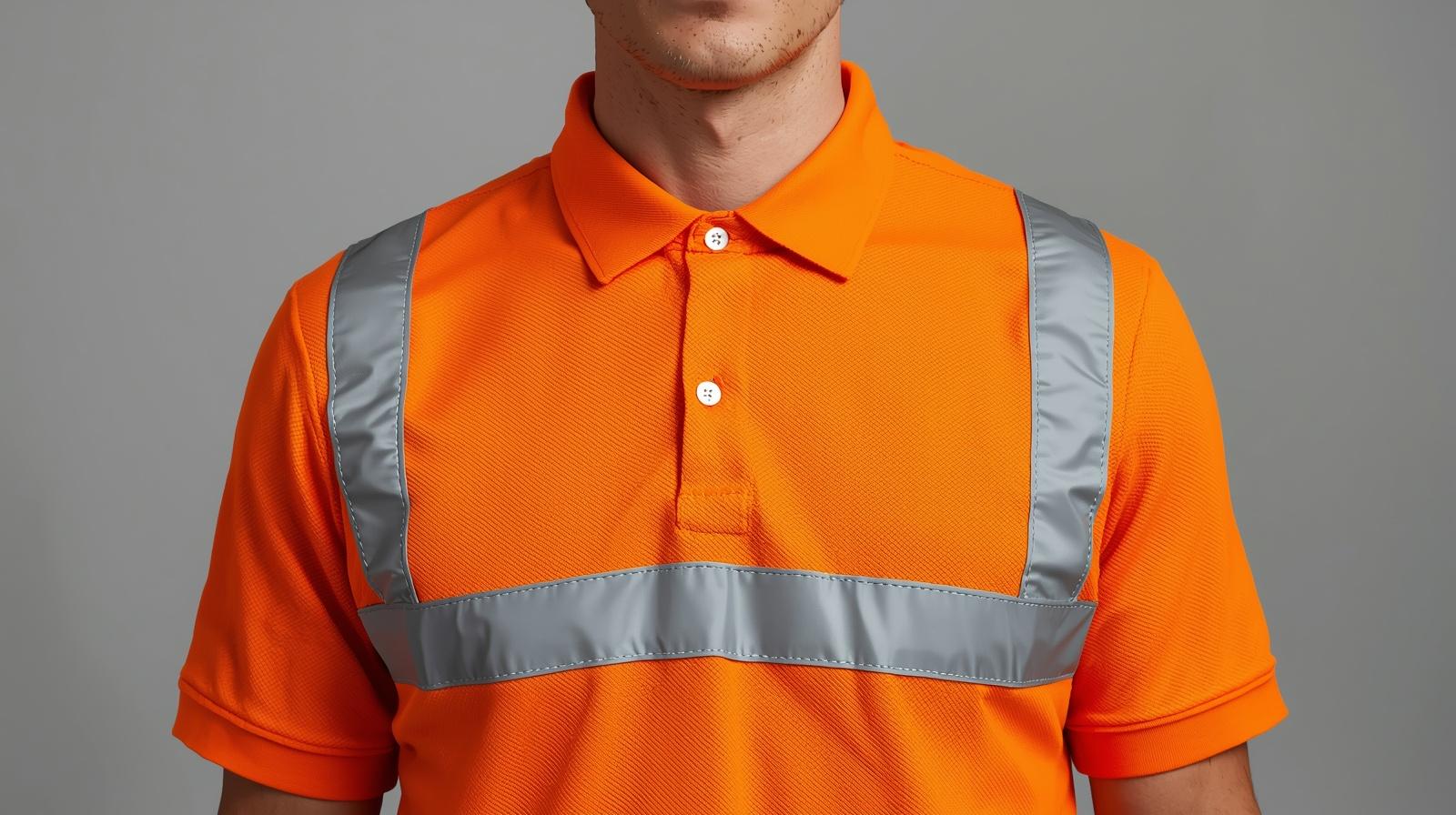
Visibility is needed without compromising appearance. Clean design, controlled reflective placement, and consistent color standards are prioritized.
A reflective workwear manufacturer adjusts design based on how different teams interact with their work environment.
Product-Level Design Factors That Define the “Perfect Match”
Reflective Placement Strategy
Visibility depends on movement recognition. Reflective elements placed on joints improve detection by moving vehicles and machinery.
Fabric and Weight Balance
Heavier fabrics increase durability but reduce comfort. Lighter fabrics improve wearability but may reduce lifespan. The right balance depends on usage frequency and environment.
Wash and Wear Performance
Reflective materials degrade over time if not properly integrated. Garments must maintain performance after repeated washing cycles.
Standards such as ISO 20471 define minimum requirements for high-visibility clothing, including reflective area and placement.
Reference: https://www.iso.org/standard/50325.html
Comparison: One-Type Reflective Apparel vs. Scenario-Matched Workwear
| Evaluation Aspect | Standard Reflective Apparel | Scenario-Matched (AOKENEW) |
|---|---|---|
| Design approach | One-size-fits-all | Environment-specific |
| Reflective placement | Basic | Movement-based |
| Comfort vs durability | Imbalanced | Optimized |
| Weather adaptability | Limited | Considered |
| User group adaptation | Generic | Role-based |
| Long-term performance | Variable | More stable |
This comparison highlights why selecting the right type of reflective workwear is more important than selecting the cheapest option.
MOQ, Lead Time, and Customization Considerations
MOQ Planning
MOQ is influenced by reflective material sourcing and fabric consistency. Fragmented orders may lead to variation in color and reflective performance.
Lead Time Control
Lead time includes sampling validation, reflective material confirmation, and production. Changes after approval can delay delivery and affect consistency.
Customization Without Compromising Safety
Logos and branding must be integrated carefully to avoid interfering with reflective placement and visibility performance. A reflective workwear manufacturer ensures customization aligns with safety requirements.
Frequently Asked Questions
Can one reflective garment work across all environments?
No. Different environments require different levels of visibility, durability, and comfort.
Does more reflective tape always mean better safety?
Not necessarily. Placement and movement visibility are more important than quantity alone.
What should buyers confirm before ordering?
Reflective placement, fabric durability, washing performance, and environmental suitability should all be verified during sampling.
Closing Perspective
Choosing the right reflective solution is ultimately about finding the correct balance between visibility, durability, and usability. A reflective workwear manufacturer helps translate real working conditions into garments that perform reliably over time.
AOKENEW supports reflective workwear programs with scenario-based design, controlled manufacturing processes, and consistent product quality across vests, jackets, and industrial garments. You can explore our full product range and capabilities on our homepage: https://www.aokenew.com.
If you have specific requirements or questions—such as selecting reflective workwear for different environments, aligning visibility standards with your operations, or planning long-term supply—you are welcome to contact our team through our Contact Us page: https://www.aokenew.com/contact-us.