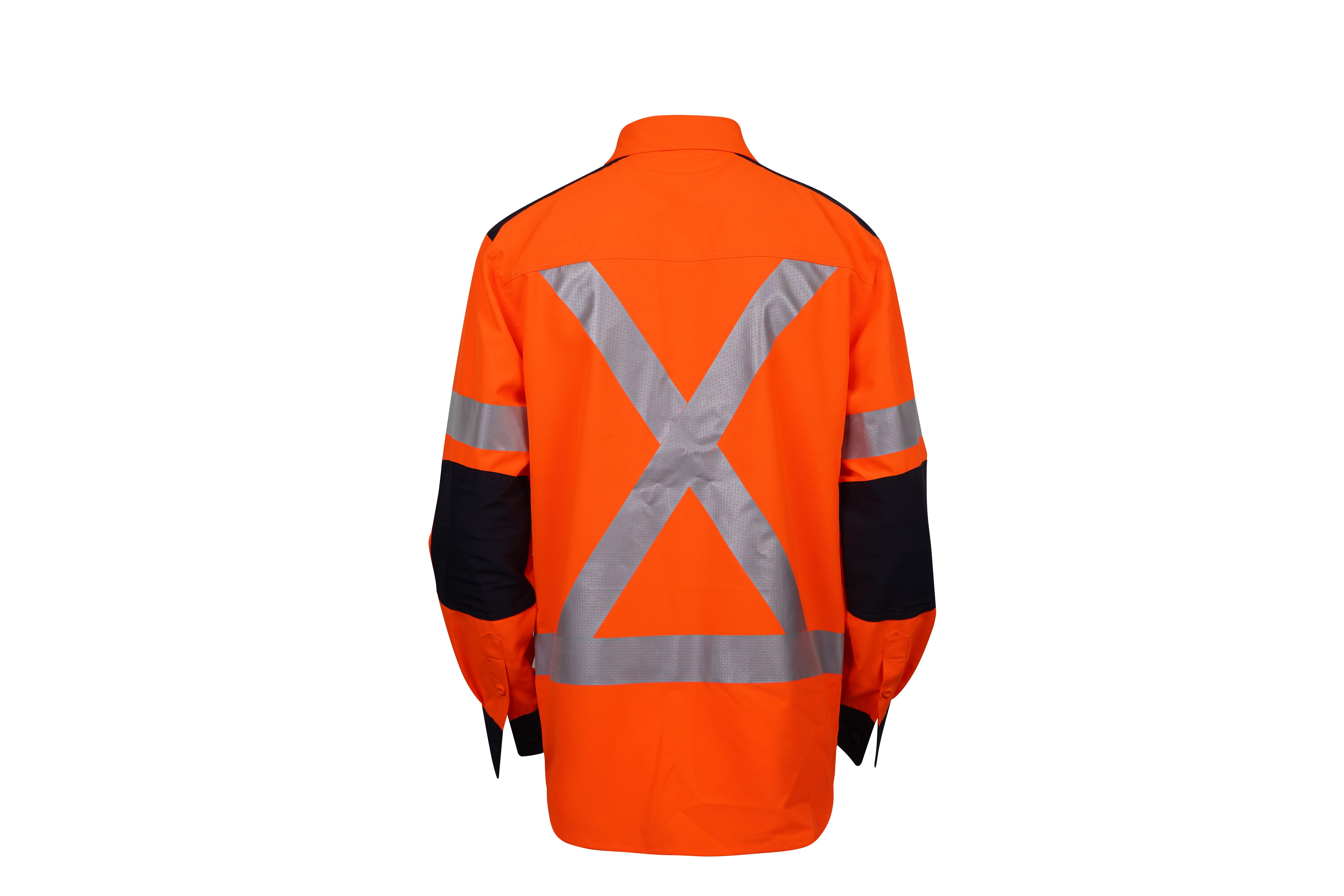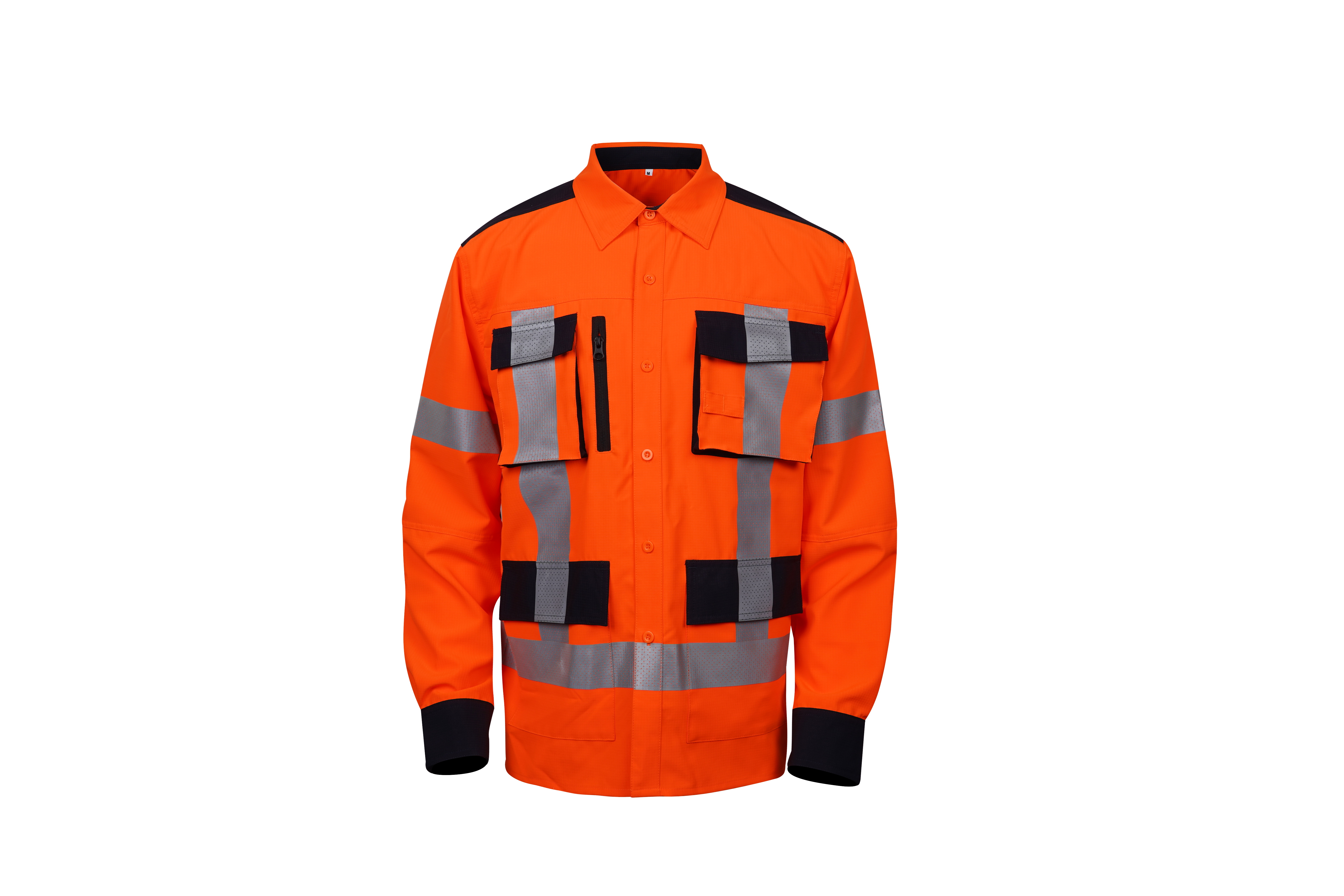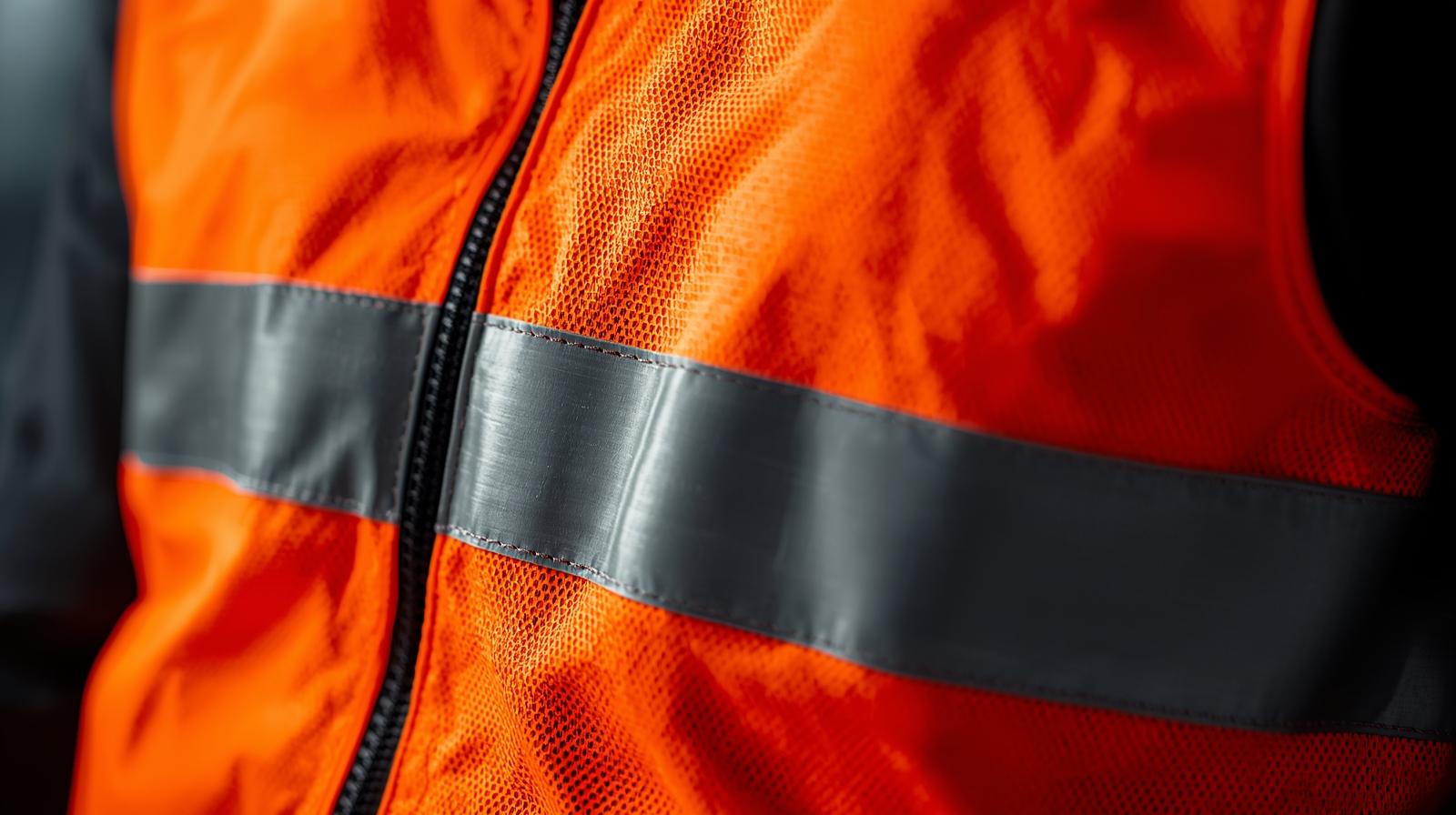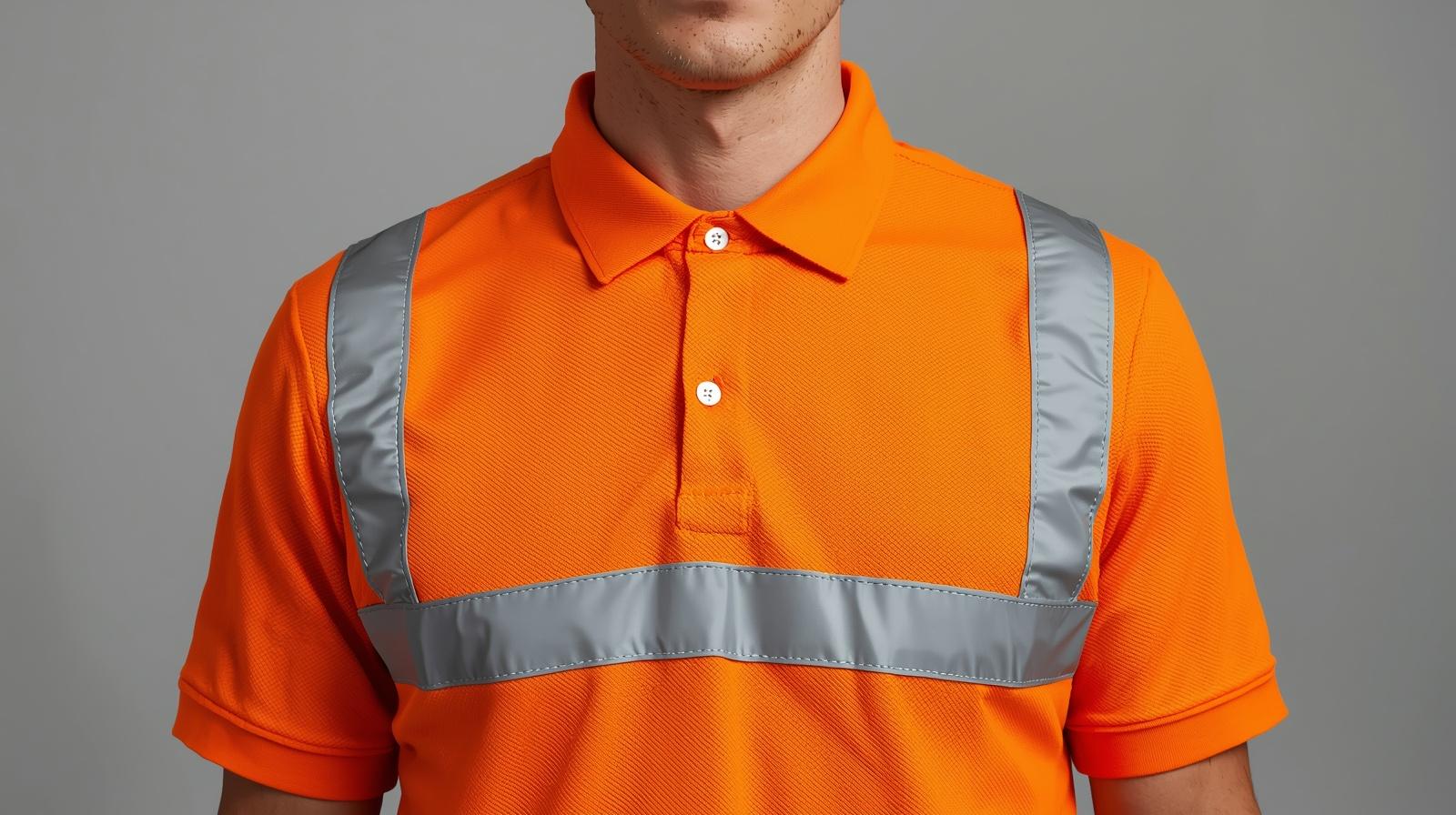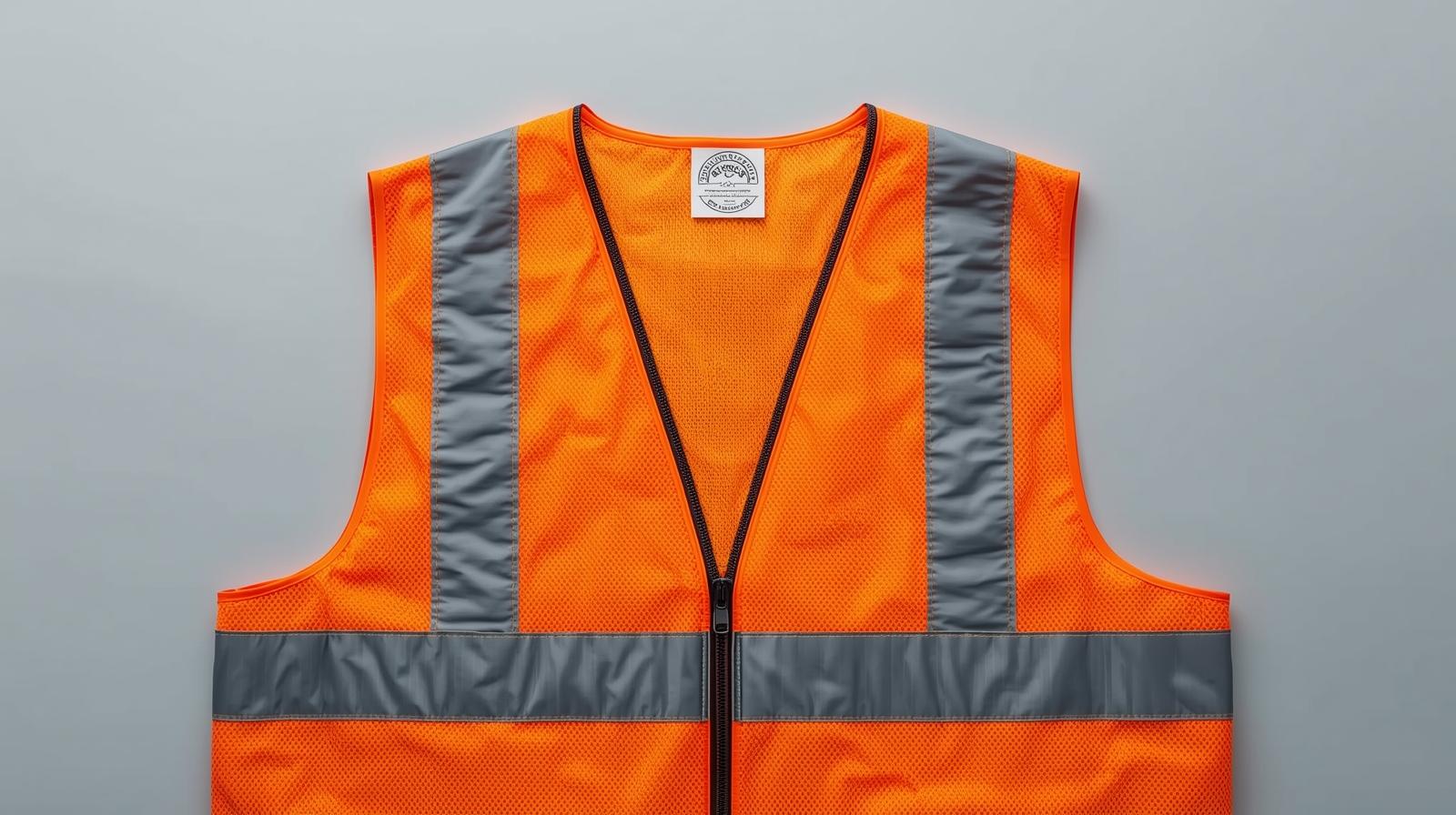


In many real-world projects, buyers encounter the same issues: reflective vests look bright at delivery but lose visibility after 20–30 washes, reflective tape cracks under repeated bending, or garments fail compliance checks during export certification.
These are not product defects—they are material and engineering mismatches.
AOKENEW addresses these problems by combining material selection, reflective structure design, and controlled bonding processes, ensuring that professional reflective apparel maintains performance under real working conditions—not just in initial inspections.
The Core Principle: How Reflective Materials Actually Work
Retroreflection vs. Ordinary Reflection
Reflective workwear relies on retroreflection, not standard light reflection.
-
Light enters microstructures (glass beads or prisms)
-
It is redirected back to the source (e.g., vehicle headlights)
-
Visibility increases dramatically at night or low-light conditions
According to ISO 20471, reflective performance is measured by coefficient of retroreflection (RA value), not visual brightness.
Reference: https://www.iso.org/standard/50325.html
A professional reflective apparel system is engineered to maintain this optical behavior over time.
Material Systems Behind Professional Reflective Apparel
Glass Bead Reflective Technology
This system embeds micro glass spheres (typically 40–70 microns in diameter) into a reflective layer.
Key characteristics:
-
RA value: typically 100–330 cd/lx/m²
-
High flexibility for garment movement
-
Suitable for standard industrial use
Limitations:
-
Gradual performance loss under heavy abrasion
-
Sensitive to washing temperature and chemical exposure
Microprismatic Reflective Technology
This system uses structured prisms to reflect light more efficiently.
Key characteristics:
-
RA value: typically 300–700 cd/lx/m²
-
Strong long-distance visibility
-
Better retention after multiple washing cycles
Limitations:
-
Higher cost (20–40% higher than glass bead systems)
-
Lower flexibility in complex garment structures
A professional reflective apparel solution selects materials based on application—not cost alone.
Fabric Integration: Where Real Performance Is Decided
Adhesion Technology
Reflective tape bonding must withstand:
-
≥ 25–50 industrial wash cycles (ISO 6330 reference)
-
Repeated bending (>10,000 flex cycles)
-
Temperature exposure (up to 60–75°C washing conditions)
Poor bonding leads to peeling, which is one of the most common failure points.
Fabric Compatibility
Base fabric (polyester, cotton blends, softshell) directly affects:
-
Reflective durability
-
Garment flexibility
-
Heat and moisture performance
A professional reflective apparel manufacturer designs materials as a system—not separate components.
Safety Compliance and Certification Requirements
International Safety Standards
Professional reflective garments must meet recognized safety frameworks:
-
ISO 20471 (EU standard)
-
ANSI/ISEA 107 (US standard)
-
EN 343 (rain protection, if applicable)
These standards define:
-
Minimum reflective area
-
Placement rules
-
Performance after washing cycles
Certification Stability in Mass Production
Many products pass initial testing but fail in bulk production due to inconsistency.
AOKENEW ensures:
-
Same reflective material batch usage
-
Controlled production processes
-
Consistent certification compliance across orders
A professional reflective apparel program must maintain compliance—not just achieve it once.
Material Comparison: Glass Bead vs. Microprismatic Systems
| Parameter | Glass Bead Reflective | Microprismatic Reflective |
|---|---|---|
| RA Value (cd/lx/m²) | 100–330 | 300–700 |
| Visibility Distance (vehicle headlights) | ~150–300 meters | ~300–500 meters |
| Flexibility (bending cycles) | >15,000 cycles | ~8,000–12,000 cycles |
| Washing Durability | 25–40 washes | 40–60 washes |
| Abrasion Resistance | Medium | Higher |
| Cost Level | Lower | +20–40% higher |
| Application | General industrial | High-risk / traffic / highway |
This comparison shows that material selection directly affects real safety outcomes, not just product pricing.
MOQ, Lead Time, and Material Selection
MOQ Considerations
Reflective materials are sourced in fixed rolls.
Typical MOQ:
-
500–1000 pcs per design (depending on material type)
Smaller orders may lead to:
-
Material substitution
-
Inconsistent reflective performance
Lead Time Structure
Standard production timeline:
-
Sampling: 5–10 days
-
Material preparation: 7–15 days
-
Bulk production: 20–35 days
Changing reflective materials after sampling is the most common cause of delays.
Customization Boundaries
Logos and branding must avoid:
-
Covering reflective areas
-
Breaking reflective continuity
A professional reflective apparel solution integrates customization without affecting safety performance.
Frequently Asked Questions
Q: Why do some reflective garments lose brightness quickly?
A: Usually due to low-quality materials or weak bonding between reflective layers and fabric.
Q: Is higher RA value always better?
A: Not always. The right balance depends on environment, movement, and usage conditions.
Q: How can buyers ensure long-term performance?
A: Verify material type, washing resistance, certification compliance, and batch consistency before bulk production.
Closing Perspective
Understanding the “why” behind reflective performance is essential for making the right sourcing decisions. A professional reflective apparel solution is not defined by how bright it looks at delivery, but by how reliably it performs after repeated use, washing, and exposure.
AOKENEW develops reflective apparel through material engineering, controlled bonding processes, and standardized production systems to ensure long-term visibility and compliance. You can explore our reflective product categories and manufacturing capabilities on our homepage: https://www.aokenew.com.
If you have specific requirements—such as selecting the right reflective material system, ensuring certification compliance, or planning stable bulk production—you are welcome to contact our team through our Contact Us page: https://www.aokenew.com/contact-us.