
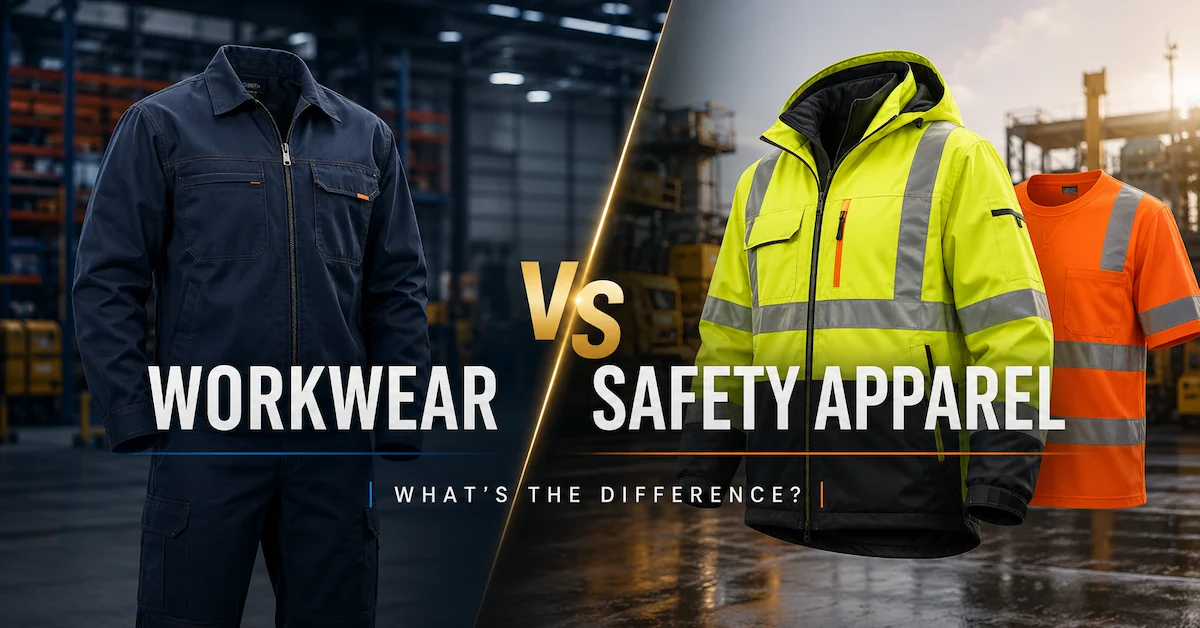
The main difference between workwear and safety apparel is the level of protection and visibility they provide.
Workwear is mainly designed for durability, comfort, professional appearance, and daily job requirements. Safety apparel adds additional protective functions, including high-visibility colors, reflective materials, and designs intended for higher-risk working environments.
For B2B buyers, the right choice depends on:
- Working environment
- Industry requirements
- Visibility needs
- Weather conditions
- Safety standards
- Employee tasks
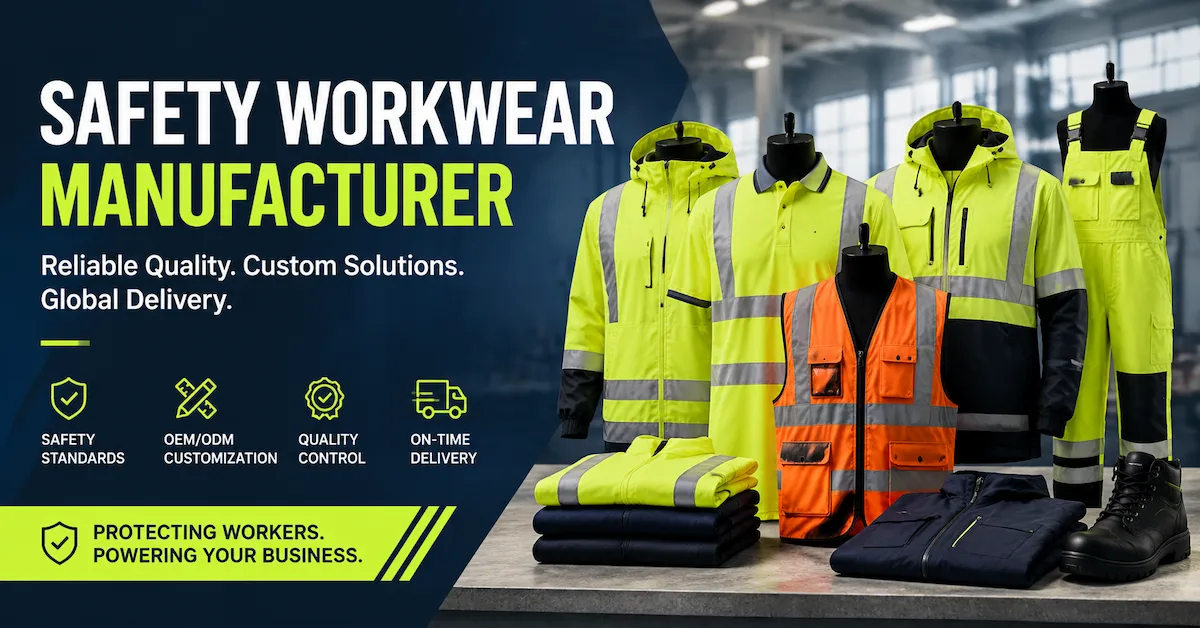
AOKE provides both functional workwear and reflective safety apparel solutions for global buyers, including PPE distributors, construction companies, logistics teams, and industrial businesses.
Explore AOKE products:
https://www.aokenew.com/products/vest-waistcoat
What Is Workwear?
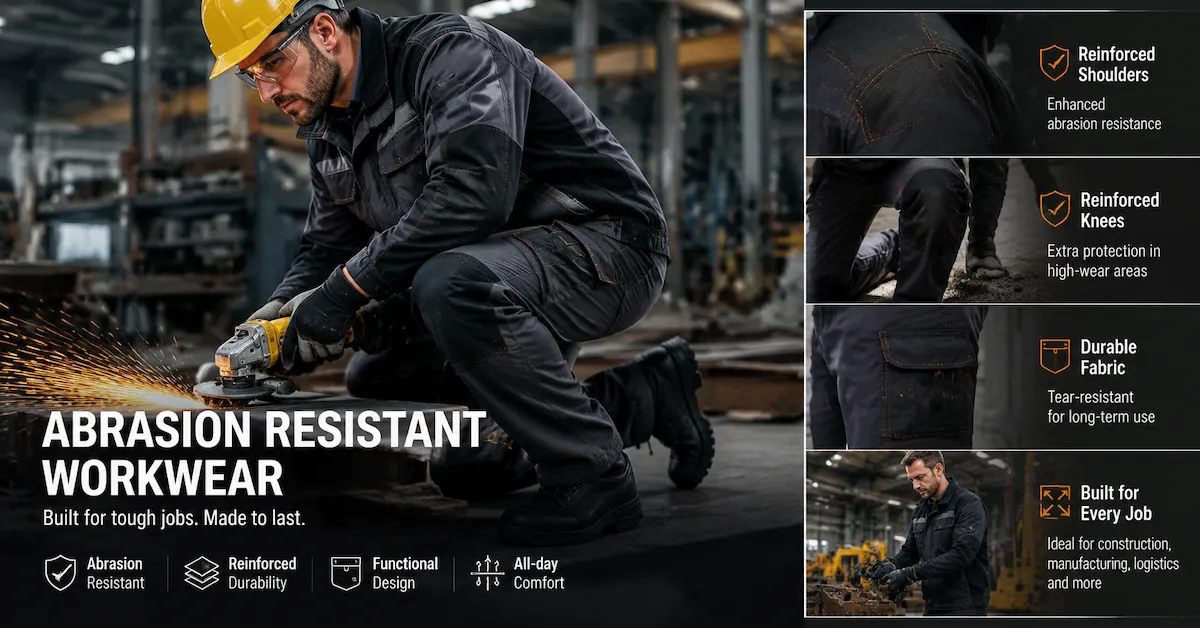
Workwear refers to clothing designed for professional working environments. Its primary purpose is to provide comfort, durability, and practical functionality.
Typical workwear features include:
- Durable fabrics
- Comfortable fitting
- Functional pockets
- Reinforced stitching
- Professional appearance
- Easy maintenance
Workwear is commonly used in:
- Manufacturing
- Maintenance
- Warehouses
- Engineering
- Repair services
- Corporate teams
Examples include:
- Work shirts
- Polo shirts
- Woven jackets
- Industrial trousers
- Utility uniforms
What Is Safety Apparel?
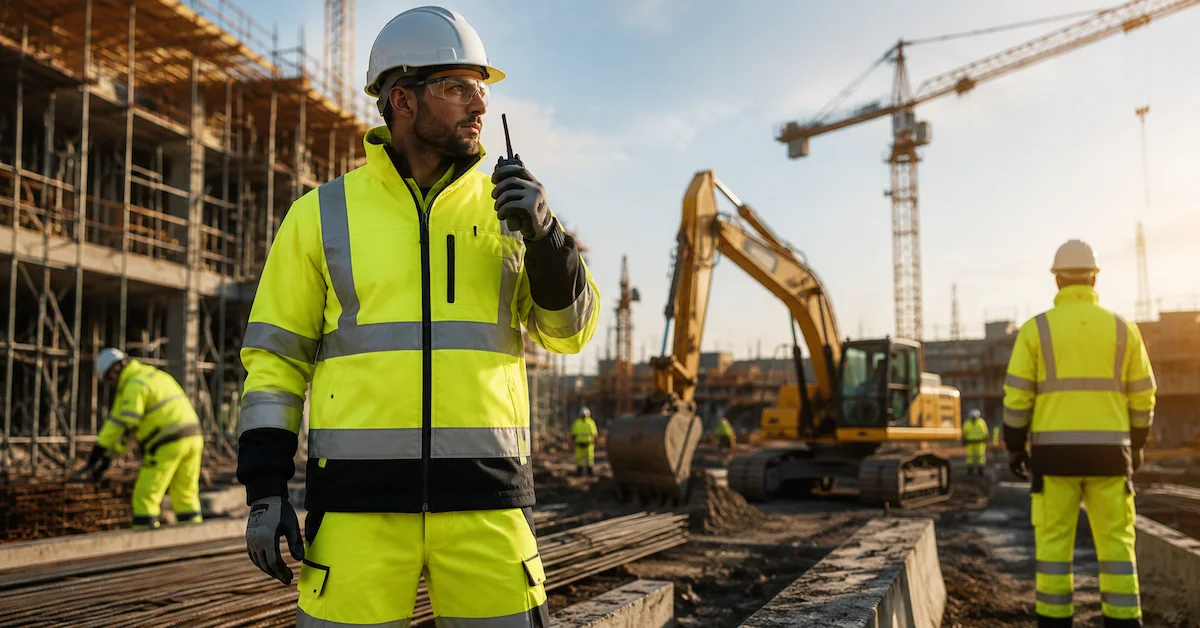
Safety apparel is designed to improve worker protection, especially in environments where visibility and hazard awareness are important.
Safety apparel commonly includes:
- Fluorescent fabrics
- Reflective tape
- High-visibility colors
- Protective designs
- Safety-focused construction
Common applications include:
- Road construction
- Traffic control
- Logistics yards
- Outdoor maintenance
- Emergency services
- Industrial sites
Examples include:
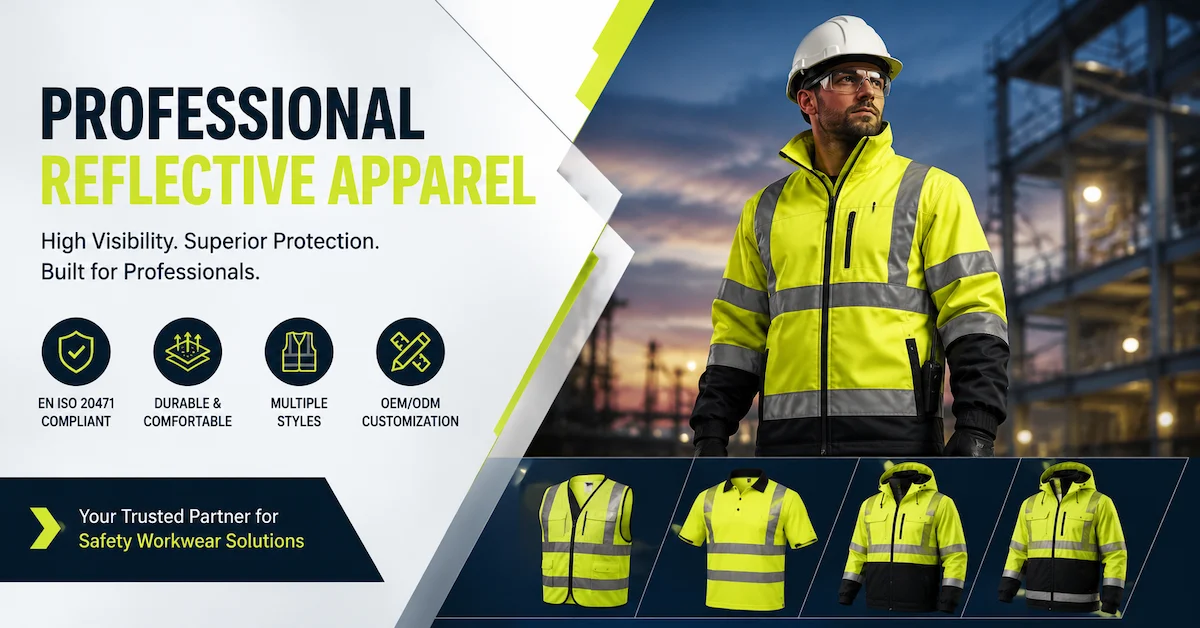
- Reflective safety vests
- Hi vis shirts
- Reflective jackets
- High-visibility rainwear
- Winter safety jackets
Workwear vs Safety Apparel: Key Differences
| Comparison | Workwear | Safety Apparel |
|---|---|---|
| Main Purpose | Comfort and durability | Visibility and protection |
| Main Feature | Functional design | Reflective and protective elements |
| Typical Users | Industrial teams, technicians | Road workers, construction, outdoor workers |
| Materials | Cotton, polyester, woven fabrics | Fluorescent fabrics, reflective materials |
| Visibility | Standard visibility | High visibility |
| Standards | General garment requirements | Safety-related standards |
| Cost | Usually lower | Usually higher due to materials |
| Applications | Daily workplace use | Higher-risk environments |
Difference 1: Purpose and Function
The biggest difference between workwear and safety apparel is the purpose.
Workwear Focuses on:
- Comfort
- Durability
- Professional appearance
- Daily functionality
For example, a maintenance technician may need durable trousers with tool pockets and a comfortable jacket.
Safety Apparel Focuses on:
- Visibility
- Risk reduction
- Worker recognition
- Safety requirements
For example, a road worker needs reflective clothing that remains visible near vehicles.
Difference 2: Visibility Requirements
Visibility is the defining feature of safety apparel.
Safety apparel usually uses:
- Fluorescent yellow
- Fluorescent orange
- Reflective tape
- High-contrast designs
These features help workers become easier to identify during:
- Night work
- Poor weather
- Low-light conditions
- Vehicle operations
Traditional workwear may not include these features because its purpose is different.
Difference 3: Materials and Construction
Both workwear and safety apparel require durable materials, but their priorities differ.
Common Workwear Materials
- Cotton blends
- Polyester
- Woven fabrics
- Canvas materials
Advantages:
- Durability
- Comfort
- Professional appearance
Common Safety Apparel Materials
- Polyester mesh
- Fluorescent fabrics
- Reflective materials
- Waterproof fabrics
- Insulated materials
Advantages:
- Visibility
- Protection
- Weather resistance
A professional manufacturer should recommend materials based on actual application.
Difference 4: Industry Applications
Choosing between workwear and safety apparel depends on the industry.
| Industry | Recommended Solution |
|---|---|
| Manufacturing | Functional workwear |
| Warehouse | Workwear + hi vis options |
| Construction | Safety apparel |
| Road maintenance | Reflective safety apparel |
| Logistics | Hi vis workwear |
| Engineering | Functional industrial workwear |
| Outdoor services | Weather-resistant safety apparel |
Many companies use a combination of both.
For example:
- Factory workers may wear standard workwear indoors.
- Outdoor loading teams may require reflective safety apparel.
- Maintenance teams may need durable workwear with visibility features.
Difference 5: Safety Standards
Safety apparel may need to consider market-specific requirements.
Common references include:
- ANSI/ISEA 107
- EN ISO 20471
- CSA Z96
- AS/NZS 4602.1
These standards focus on areas such as:
- Visibility
- Reflective material performance
- Garment design
- Classification requirements
Workwear without safety functions may not require the same level of evaluation.
When Should Companies Choose Workwear?
Traditional workwear is suitable when the main requirements are:
Daily Comfort
Employees need clothing for long working hours.
Durability
The garment must withstand:
- Repeated washing
- Physical movement
- Daily wear
Professional Image
Companies may require:
- Corporate colors
- Logos
- Team uniforms
Typical examples:
- Factory uniforms
- Maintenance clothing
- Corporate polo shirts
- Engineering workwear
When Should Companies Choose Safety Apparel?
Safety apparel is recommended when workers face visibility risks.
Examples include:
- Road construction
- Traffic areas
- Outdoor night operations
- Heavy equipment zones
- Logistics yards
Important features include:
- Reflective tape
- Bright colors
- Protective structures
- Weather resistance
Can Workwear and Safety Apparel Be Combined?
Yes. Many modern industrial garments combine both functions.
Examples:
Hi Vis Polo Shirts
Provide:
- Corporate appearance
- Worker visibility
- Comfort
Reflective Jackets
Provide:
- Weather protection
- Safety visibility
- Professional appearance
Woven Safety Workwear
Provides:
- Durability
- Functional pockets
- Reflective elements
This combination is common for:
- Logistics companies
- Utility teams
- Industrial businesses
How Should Buyers Choose Between Workwear and Safety Apparel?
Before purchasing, buyers should evaluate:
1. Working Environment
Ask:
- Indoor or outdoor?
- Day or night?
- Near vehicles?
- Weather exposure?
2. Worker Tasks
Consider:
- Physical activity
- Tools required
- Movement frequency
- Working duration
3. Safety Requirements
Determine whether the application requires:
- High visibility
- Reflective materials
- Specific standards
4. Comfort Requirements
Workers wear clothing for many hours, so consider:
- Breathability
- Weight
- Fit
- Flexibility
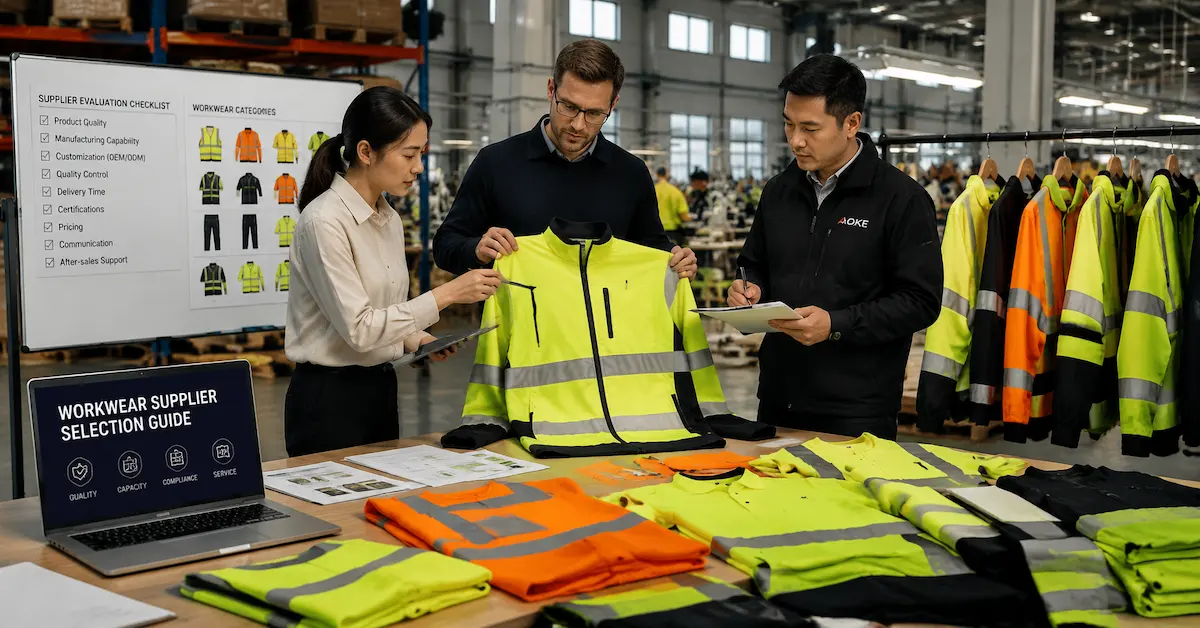
5. Supplier Capability
Choose a supplier that understands both garment production and workplace requirements.
How AOKE Supports Workwear and Safety Apparel Solutions
AOKE provides professional workwear and safety apparel solutions for global B2B buyers.
Product categories include:
- Reflective safety vests
- Hi vis T-shirts
- Polo shirts
- Safety jackets
- Rainwear
- Winter workwear
- Woven workwear
AOKE supports:
- OEM customization
- Logo branding
- Private label projects
- Bulk production
- Quality inspection
- International supply
AOKE serves:
- PPE distributors
- Construction companies
- Logistics businesses
- Industrial manufacturers
- Workwear brands
Learn more:
https://www.aokenew.com/about-us
Common Buying Mistakes
Choosing Safety Apparel Only by Appearance
Bright colors do not automatically mean suitable protection.
Buyers should evaluate:
- Reflective materials
- Product structure
- Intended use
Selecting the Wrong Product Type
Not every worker needs the same garment.
Indoor employees may need comfort-focused workwear, while outdoor workers may require safety apparel.
Ignoring Long-Term Supply
For businesses, repeat-order consistency matters.
Choose suppliers that can maintain:
- Same materials
- Same colors
- Same sizing
- Same quality
Buyer Checklist
Before ordering, prepare:
- Industry type
- Application environment
- Worker roles
- Required protection level
- Product category
- Fabric preference
- Reflective requirements
- Size range
- Logo requirements
- Quantity
- Delivery schedule
FAQ
What is the difference between workwear and safety apparel?
Workwear focuses on durability and comfort, while safety apparel adds visibility and protective features.
Is all workwear considered safety apparel?
No. Only workwear designed with safety functions such as reflective materials or high-visibility features can be considered safety apparel.
Which industries need safety apparel?
Construction, roadwork, logistics, transportation, utilities, and outdoor industries commonly require safety apparel.
Can workwear include reflective materials?
Yes. Many modern workwear products combine durability with reflective features.
Which is more expensive, workwear or safety apparel?
Safety apparel is usually more expensive because it includes specialized materials and safety features.
Can companies customize both types?
Yes. Manufacturers can provide logos, colors, labels, packaging, and OEM solutions.
Should companies buy different clothing for different departments?
Often yes. Different jobs have different requirements.
What standards apply to safety apparel?
Common standards include ANSI/ISEA 107, EN ISO 20471, CSA Z96, and AS/NZS 4602.1.
How do buyers choose the right supplier?
Evaluate product experience, quality control, customization capability, and production reliability.
Can AOKE provide both solutions?
Yes. AOKE provides both functional workwear and reflective safety apparel solutions.
Conclusion
Understanding the difference between workwear vs safety apparel helps companies choose the right clothing for their employees and working environments.
Workwear focuses on comfort, durability, and professional appearance, while safety apparel provides additional visibility and protection features.
For businesses purchasing industrial clothing, reflective garments, or customized uniforms, selecting the right supplier is essential for product quality and long-term reliability.
AOKE provides professional workwear and safety apparel solutions for global B2B buyers.
Contact AOKE to discuss your requirements.