
The Professional Advantage of Industrial Workwear as a Product Category
Why Industrial Workwear Is Engineered Differently from General Apparel
Industrial workwear is designed around use intensity, not seasonal trends. Unlike general apparel, which prioritizes appearance and short-term wear, industrial garments are expected to endure repeated mechanical stress, frequent laundering, and long hours of continuous movement.
This results in several inherent product-level advantages:
-
Higher tolerance for abrasion and friction
-
Structural stability under load and repeated motion
-
Predictable performance across large production batches
A workwear clothing manufacturer develops garments as functional tools rather than consumable fashion items.
Manufacturing Depth as a Product Feature
In industrial apparel, manufacturing discipline itself becomes a product feature. Fabric sourcing consistency, reinforcement logic, and size grading accuracy directly affect how garments perform once deployed at scale.
Without this depth, even well-designed garments fail prematurely.
Material and Structural Engineering in Industrial Workwear
Fabric Structure Selection Based on Wear Intensity
Fabric choice in industrial workwear is guided by expected stress rather than fiber composition alone. Woven fabrics are widely used in high-wear environments because they maintain dimensional stability when subjected to pulling, kneeling, and tool contact. Knit fabrics, while flexible, are typically reserved for roles with lower abrasion exposure.
A workwear clothing manufacturer aligns fabric structure with:
-
Task-specific movement patterns
-
Contact frequency with tools or surfaces
-
Required balance between breathability and durability
Thickness alone does not define strength. Structure does.
Garment Construction and Stress-Zone Reinforcement
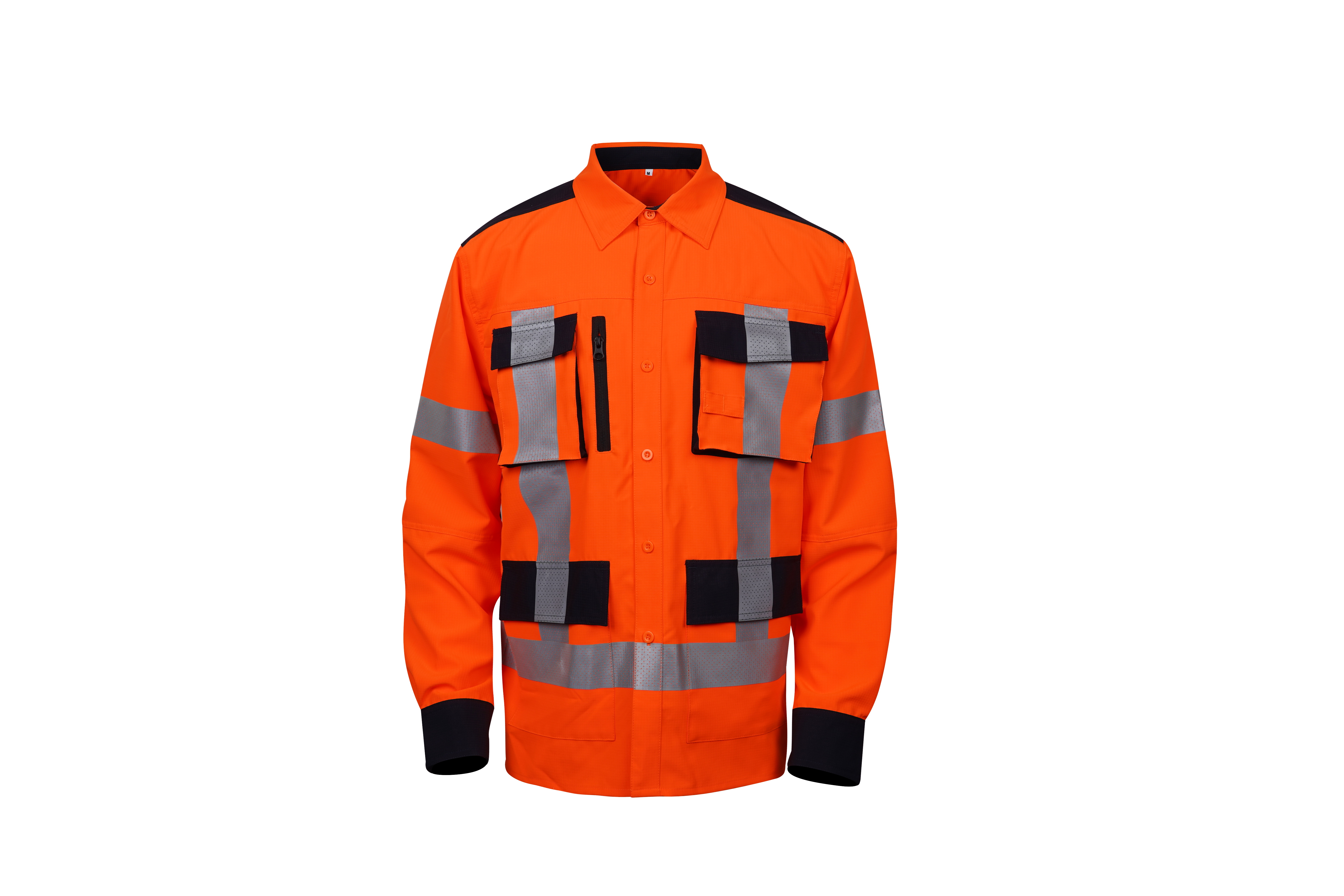
Industrial garments do not fail evenly. Weak points consistently appear at pocket openings, seam intersections, shoulders, cuffs, and underarm zones. Professional workwear construction distributes load through targeted reinforcement rather than uniform overbuilding.
This selective strategy:
-
Extends garment lifespan
-
Preserves wearer mobility
-
Controls material and labor cost
Over-reinforcement increases stiffness. Under-reinforcement accelerates failure.
Scenario-Based Advantages Across Common Industrial Use Cases
Logistics and Warehouse Operations
In logistics environments, workwear is exposed to constant movement, surface friction, and frequent washing. Garments must remain flexible while resisting abrasion from pallets, shelving, and handling equipment.
Key advantages in this scenario include:
-
Reinforced lower pockets and side seams
-
Fabric stability to prevent deformation after washing
-
Lightweight construction to reduce fatigue during long shifts
Manufacturing consistency is critical, as uniform programs often span multiple sites.
Construction and Infrastructure Projects
Construction environments impose high mechanical stress, exposure to dust and weather, and irregular movement patterns. Here, durability and structure take precedence over lightness.
Effective industrial workwear in this context features:
-
High-abrasion woven fabrics
-
Reinforced knee, shoulder, and elbow zones
-
Layer-compatible designs for changing weather conditions
A workwear clothing manufacturer must anticipate uneven wear distribution rather than average usage.
Outdoor Maintenance and Utility Services
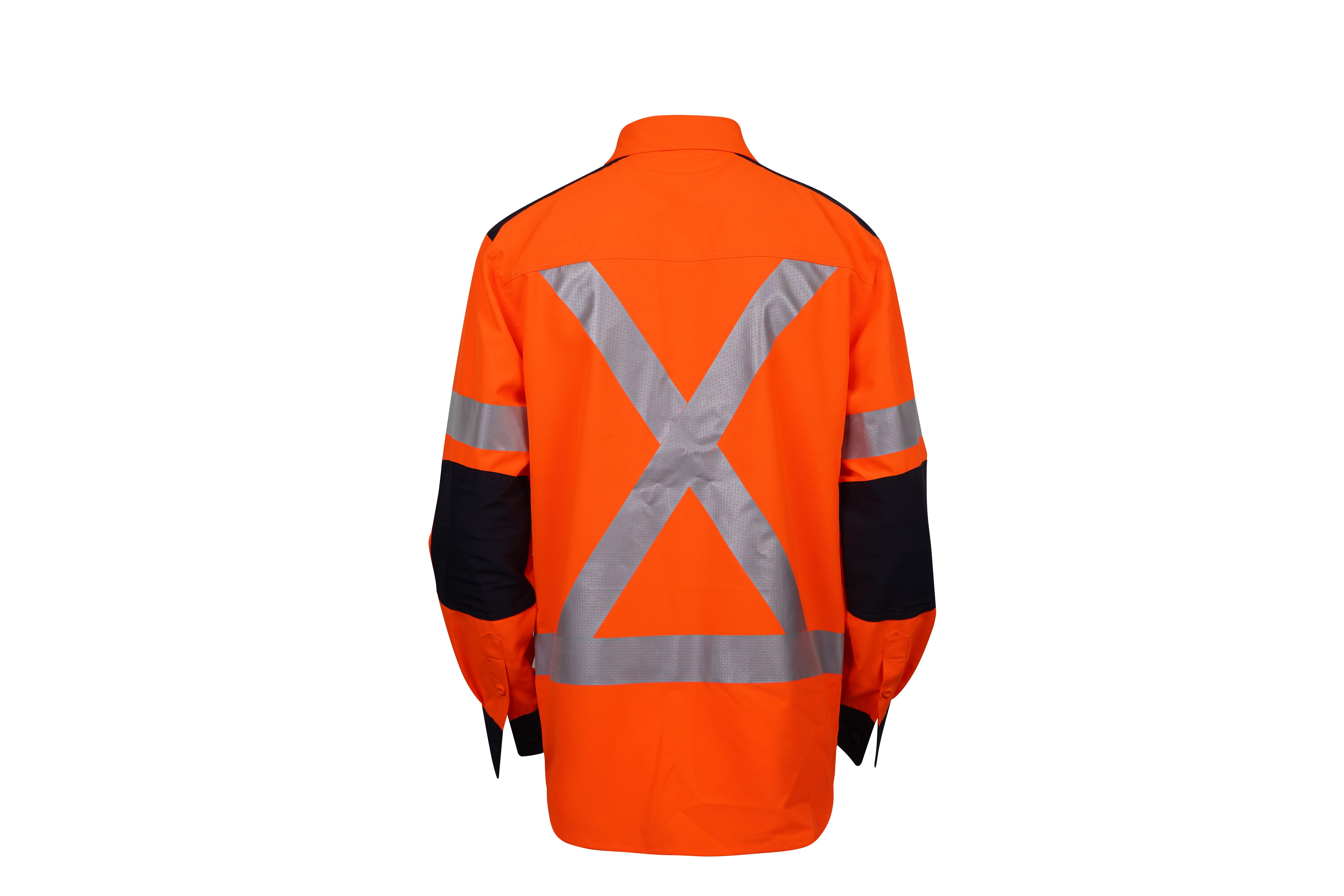
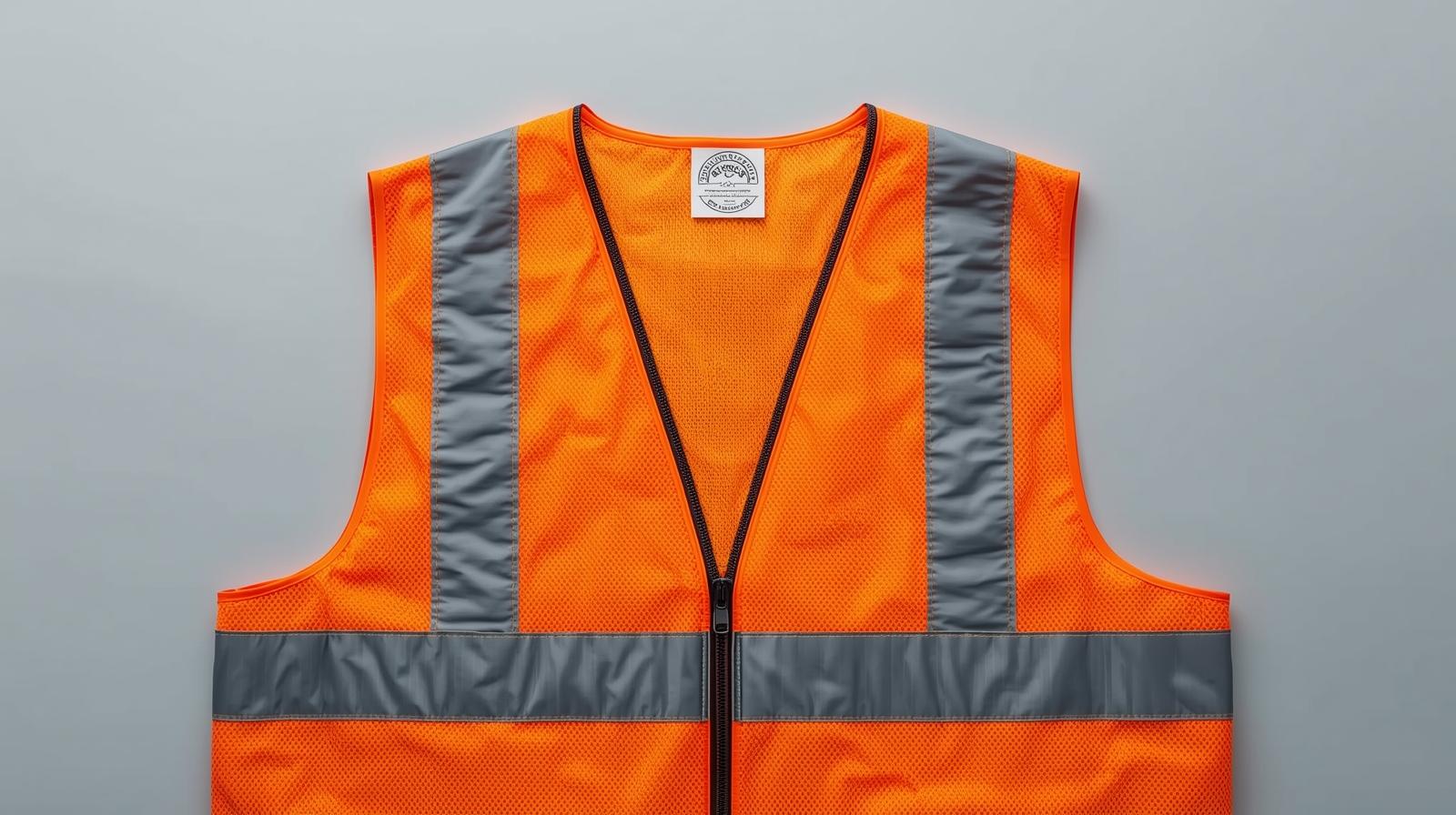
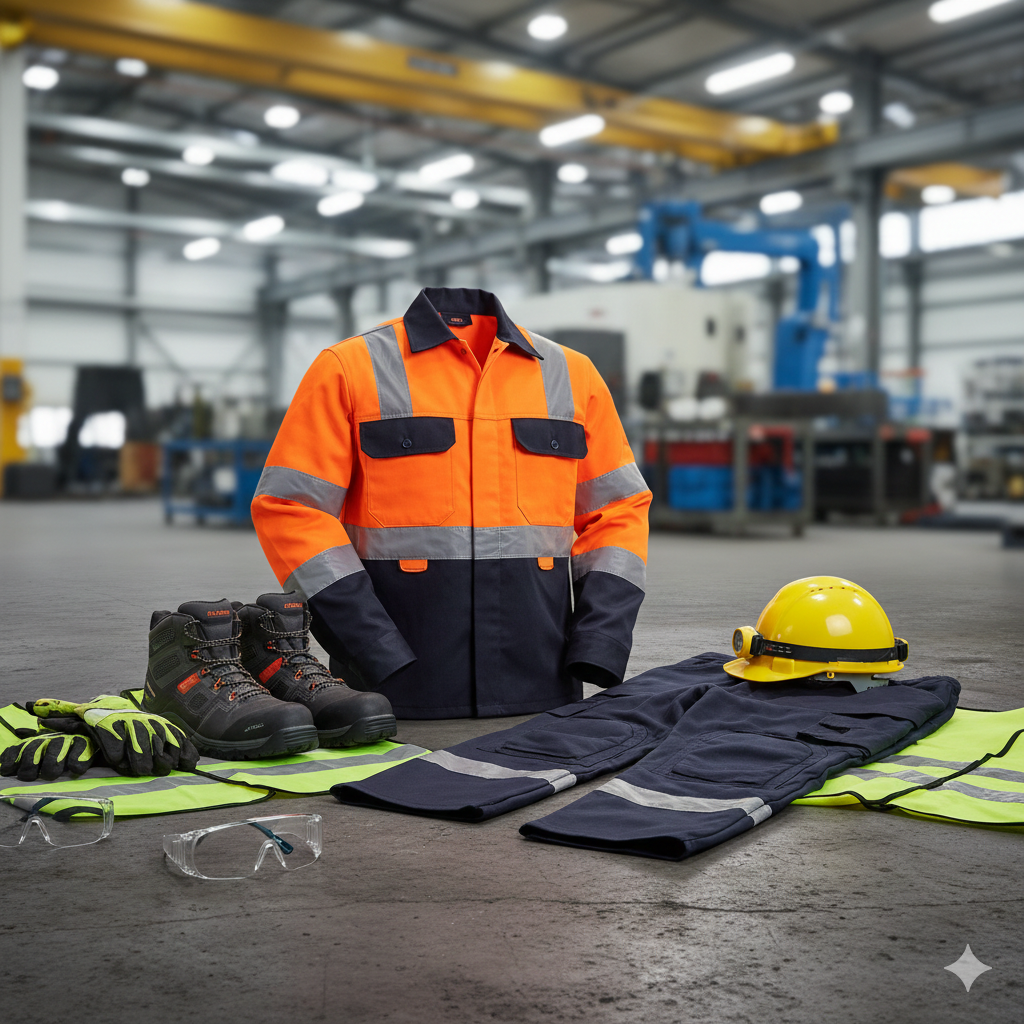
Outdoor utility work combines visibility requirements with weather exposure. Garments must support reflective elements, moisture resistance, and thermal balance without restricting movement.
Product advantages in this scenario include:
-
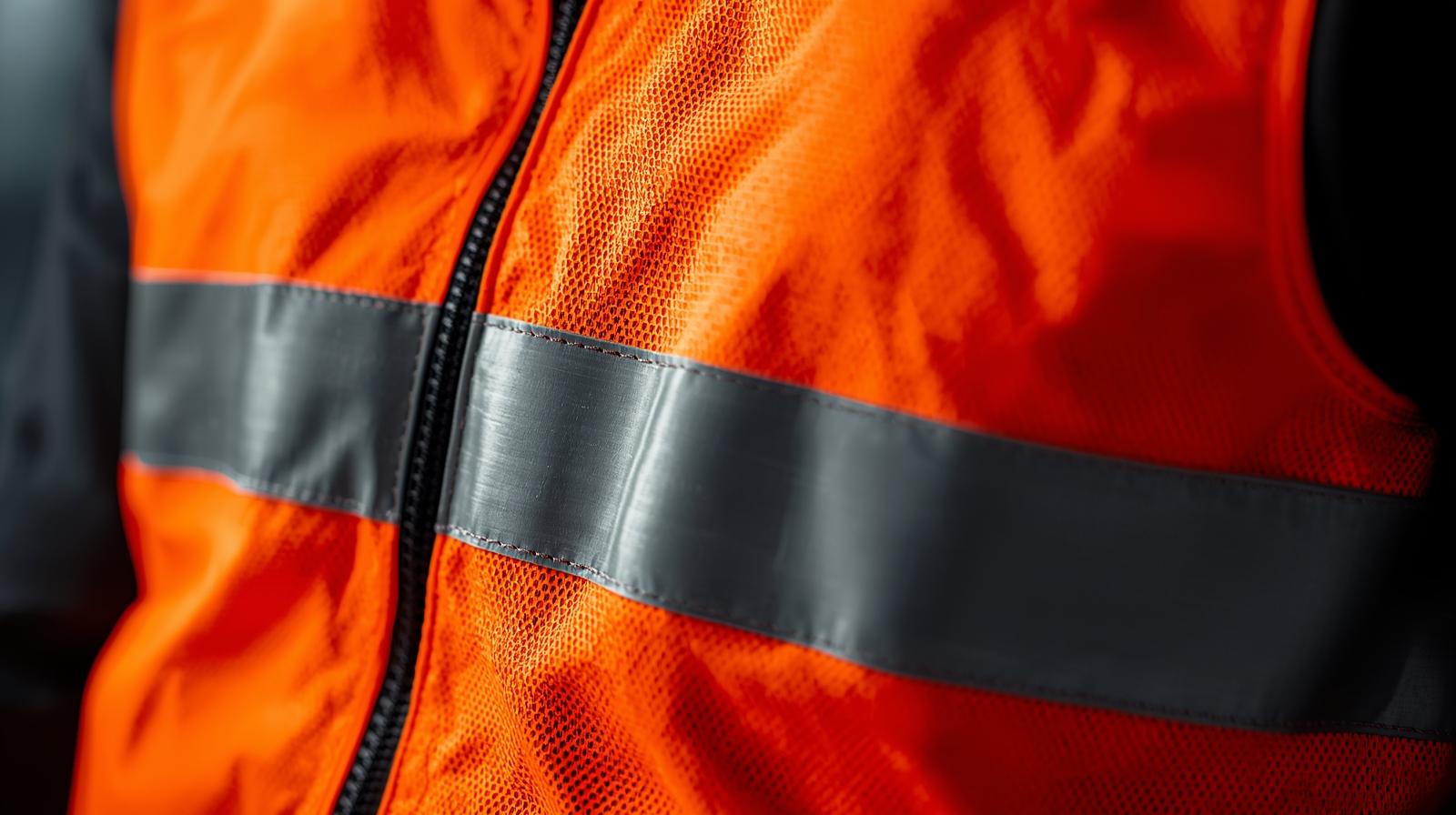
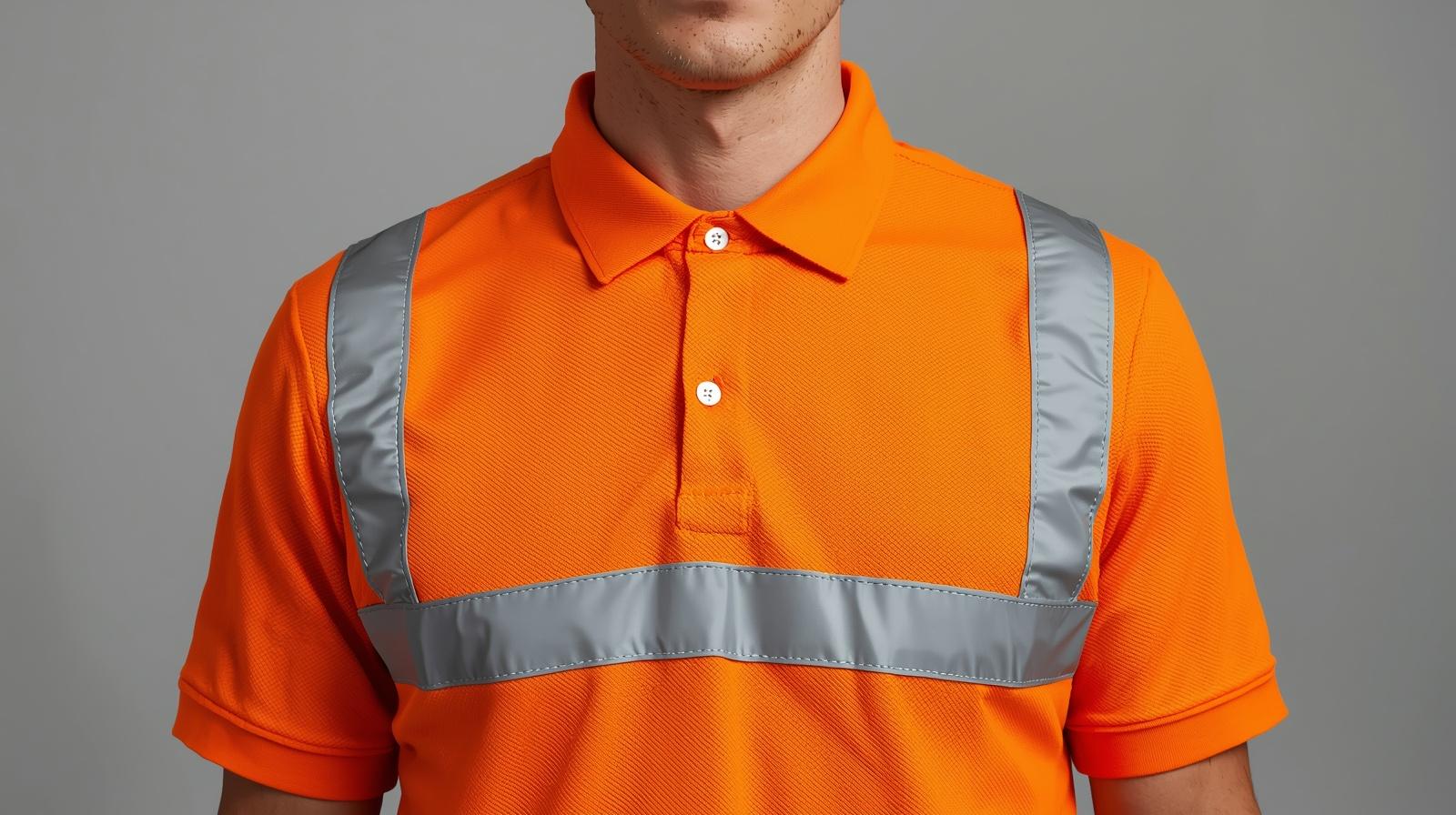
Stable integration of reflective components
-
Layered construction supporting seasonal adjustment
-
Weather-resistant outer shells compatible with industrial laundering
Designing these garments requires coordination between material selection and structural layout.
Manufacturing Discipline and Batch Consistency
Process Control as a Reliability Driver
In industrial programs, reliability is achieved through repeatable processes rather than isolated inspections. Fabric batch alignment, standardized cutting tolerances, and fixed sewing sequences ensure consistent output across large orders.
ISO 9001 quality management principles reinforce this process-based approach, particularly for products requiring stable performance over multiple production cycles.
Size Grading and Comfort Stability
Accurate size grading is essential for workforce acceptance. Small deviations multiply across thousands of units, leading to discomfort, returns, and additional sourcing cycles. Professional manufacturers mitigate this risk through pre-production validation and controlled grading templates.
Manufacturing Approach Comparison: Market Practice vs. AOKENEW
| Evaluation Aspect | Typical Market Supplier | AOKENEW Manufacturing Approach |
|---|---|---|
| Product development logic | Spec-based or appearance-driven | Usage- and condition-driven |
| Fabric structure selection | Availability-focused | Wear-intensity focused |
| Reinforcement strategy | Uniform or minimal | Stress-zone targeted |
| Scenario adaptability | Limited | Designed per use case |
| Batch consistency control | Reactive | Process-controlled |
| Program-level predictability | Variable | More stable |
This contrast explains why industrial buyers increasingly evaluate manufacturers by lifecycle performance rather than initial unit cost.
Procurement Execution: MOQ, Lead Time, and Customization
MOQ and Production Efficiency
MOQ is structured to align material sourcing efficiency with production planning. Orders below optimal thresholds often increase unit cost or extend lead time due to fragmented procurement.
Lead Time Structure
Lead time typically includes sampling confirmation, material allocation, production scheduling, and final assembly. Structural changes introduced after sampling—such as reinforcement placement or pocket layout—remain one of the most common causes of delay.
Customization Without Disrupting Production
Customization works best when defined early. Logo methods, color contrast, and accessory placement are finalized during sampling to maintain stable production flow. A workwear clothing manufacturer integrates customization into planning rather than treating it as a last-minute change.
Frequently Asked Questions
How do industrial workwear garments differ from general uniforms in lifespan?
They are engineered for repeated stress and laundering, which significantly extends service life under industrial conditions.
Is scenario-specific design necessary for all workwear programs?
Not always, but programs covering multiple job roles benefit greatly from scenario-based differentiation to reduce premature replacement.
What should buyers confirm before mass production begins?
Fabric behavior, reinforcement logic, size grading, and customization details should all be finalized at the sampling stage.
Closing Perspective
Selecting a workwear clothing manufacturer is ultimately about long-term reliability rather than short-term sourcing convenience. When materials, garment structure, and production discipline align with real working conditions, industrial uniform programs become more predictable in both durability and cost.
AOKENEW focuses on functional workwear manufacturing across woven workwear, jackets, vests, and reflective apparel, with particular attention to durability, scenario-driven design, and batch consistency. An overview of our manufacturing capabilities and product categories is available on our homepage: https://www.aokenew.com.
If you have related requirements or questions—such as matching garments to specific work environments, defining customization scope, or aligning MOQ and production timelines—our team can provide practical input based on real manufacturing experience. You are welcome to reach out directly through our Contact Us page: https://www.aokenew.com/contact-us.