Professional Workwear Manufacturer in Long-Term Uniform Programs
In industrial and corporate uniform programs, the real challenge is rarely the first order. Most issues appear after garments have been issued, washed, replaced, and reordered across different sites. In this context, a professional workwear manufacturer is defined by its ability to maintain consistency—not just in products, but in decision-making across the entire lifecycle of a program.
This distinction separates short-term suppliers from long-term manufacturing partners.
Why Professional Manufacturing Matters Beyond the First Delivery
The Hidden Complexity of Uniform Programs
Uniform programs often evolve over time. New sites are added, job roles change, and garments are reordered in phases rather than as a single batch. Without manufacturing discipline, variation accumulates.
Common downstream problems include:
-
Fabric feel and weight drifting between batches
-
Inconsistent reinforcement placement
-
Size grading changes that affect wearer comfort
A professional workwear manufacturer anticipates these risks during the initial design and production planning stages.
Manufacturing Depth as a Program-Level Advantage
Material Strategy Aligned With Repeat Orders
Professional manufacturers select materials not only for immediate performance, but for long-term availability and repeatability. Fabrics that cannot be sourced consistently introduce risk when reorders occur months or years later.
This approach prioritizes:
-
Stable fabric supply chains
-
Predictable dyeing and finishing behavior
-
Compatibility with industrial laundering
Material decisions therefore support program continuity, not just product performance.
Construction Logic Designed for Consistency
Garment construction in professional workwear is standardized around stress behavior. Reinforcement points, seam types, and stitching density are documented and repeatable, ensuring that future orders match earlier deliveries.
This consistency reduces retraining and replacement friction for end users.
Coordinating Multiple Workwear Categories Under One System
Why Category Integration Matters
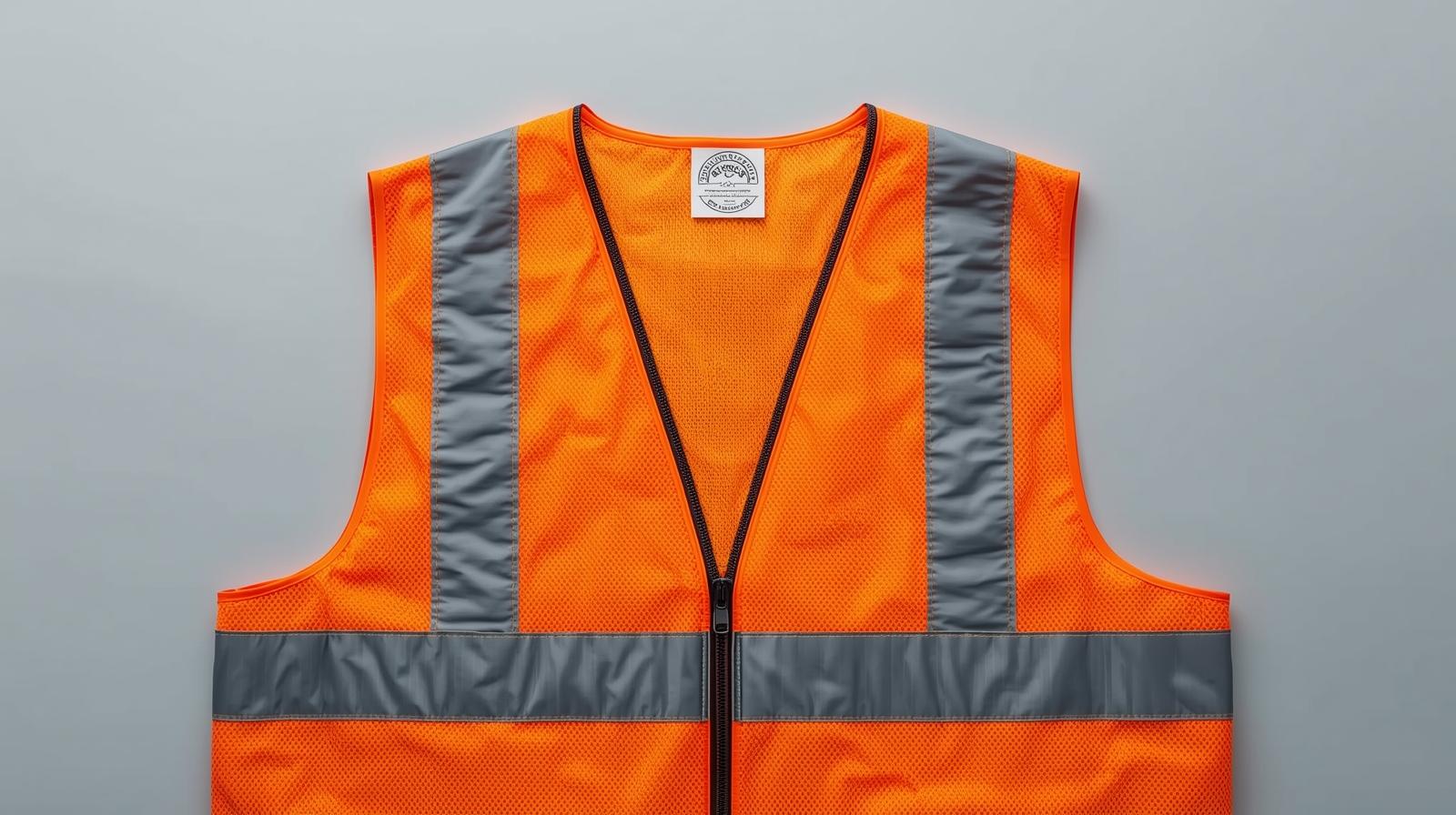
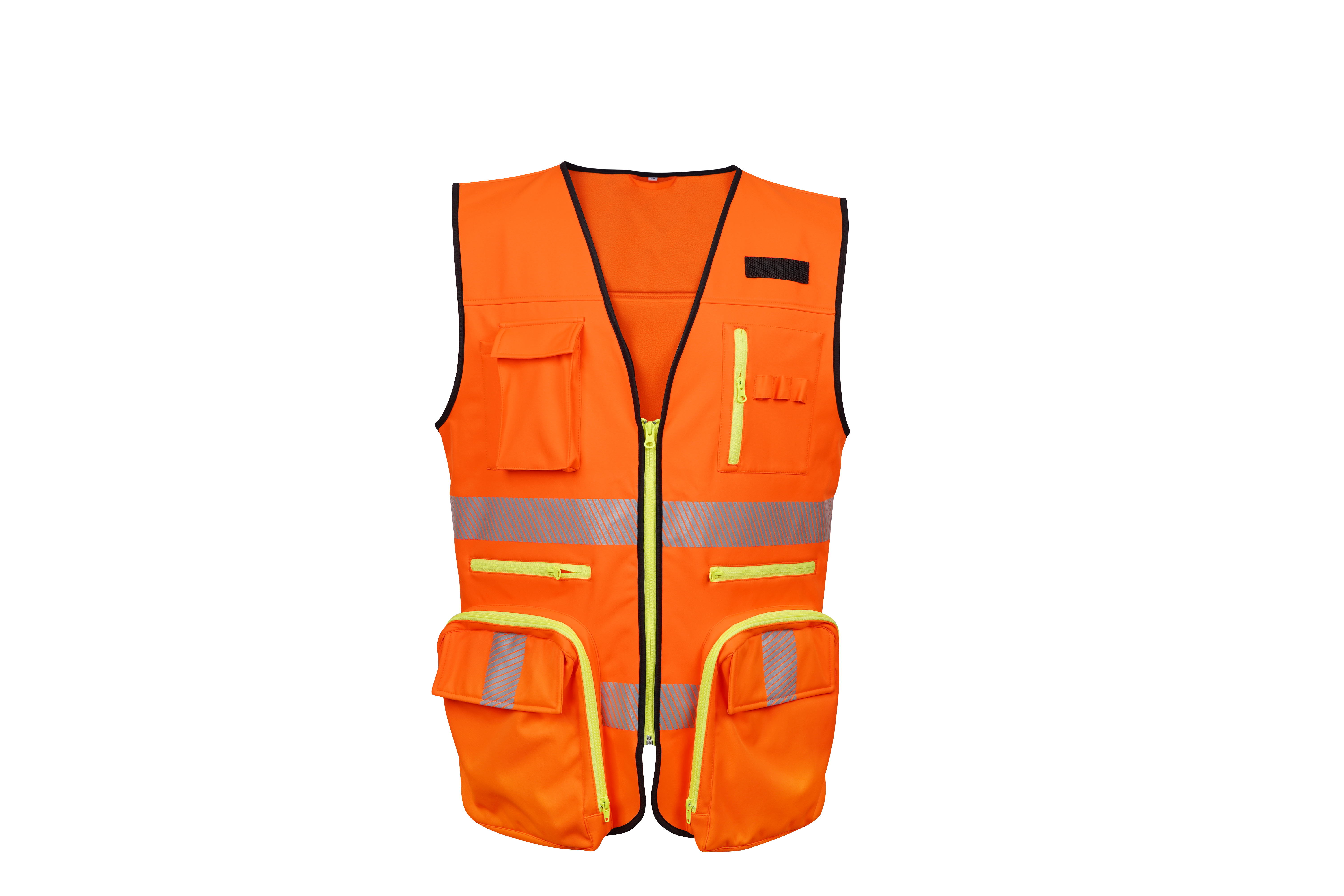
Uniform programs rarely rely on a single garment type. Jackets, vests, woven workwear, and layered pieces are often used together across seasons and job functions.
A professional workwear manufacturer coordinates:
-
Fabric compatibility across categories
-
Color and trim consistency
-
Structural logic that aligns fit and movement
Without this coordination, uniforms appear mismatched and perform unevenly in daily use.
Scenario-Based Manufacturing Strengths
Industrial and Factory Environments
Factory garments prioritize abrasion resistance, shape retention, and comfort during repetitive motion. Manufacturing focus is placed on woven fabric stability and reinforcement at high-contact zones.
Logistics and Warehousing
Here, flexibility and fatigue reduction matter alongside durability. Garments are engineered to remain lightweight while maintaining seam strength and dimensional stability after frequent washing.
Outdoor and Utility Operations
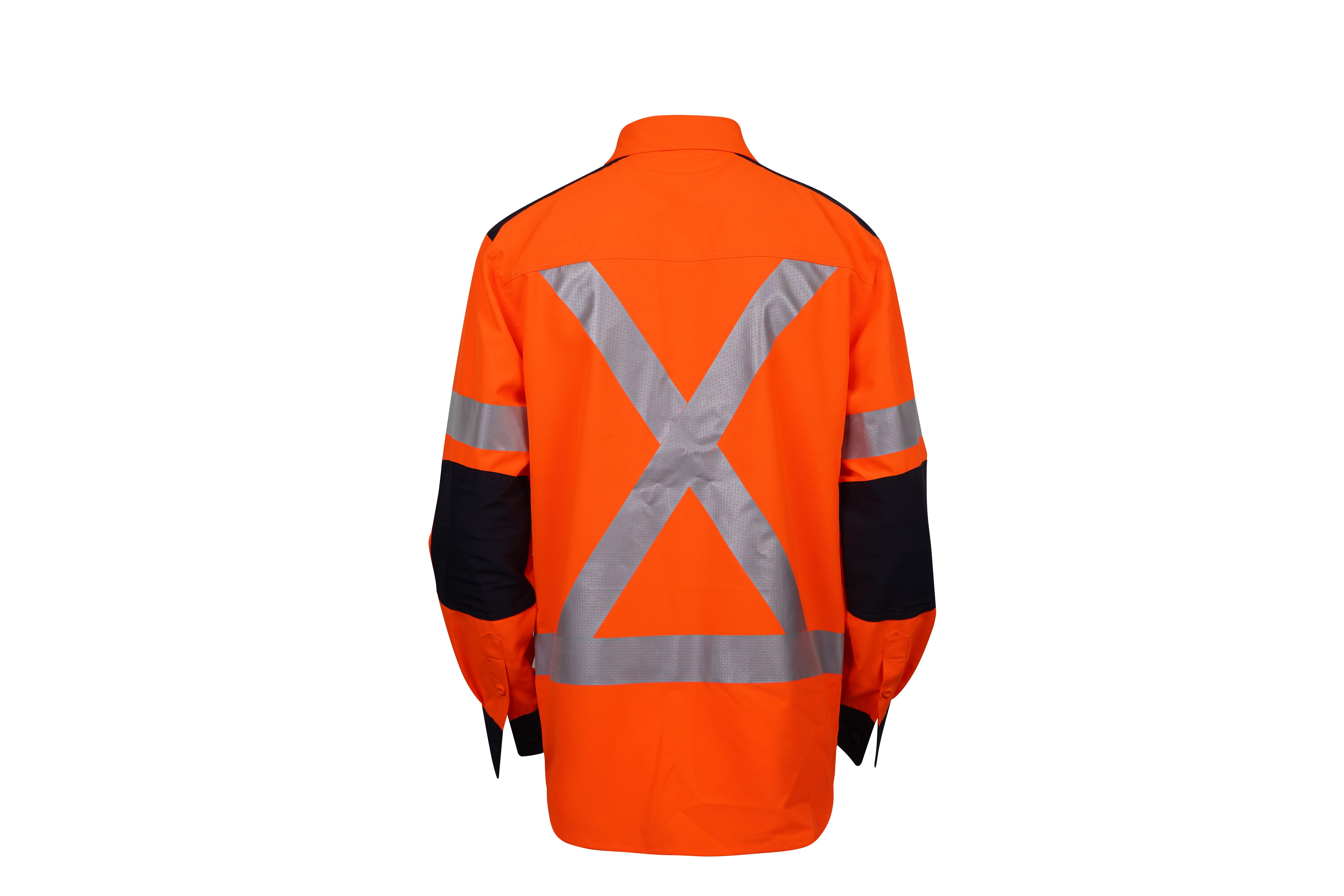
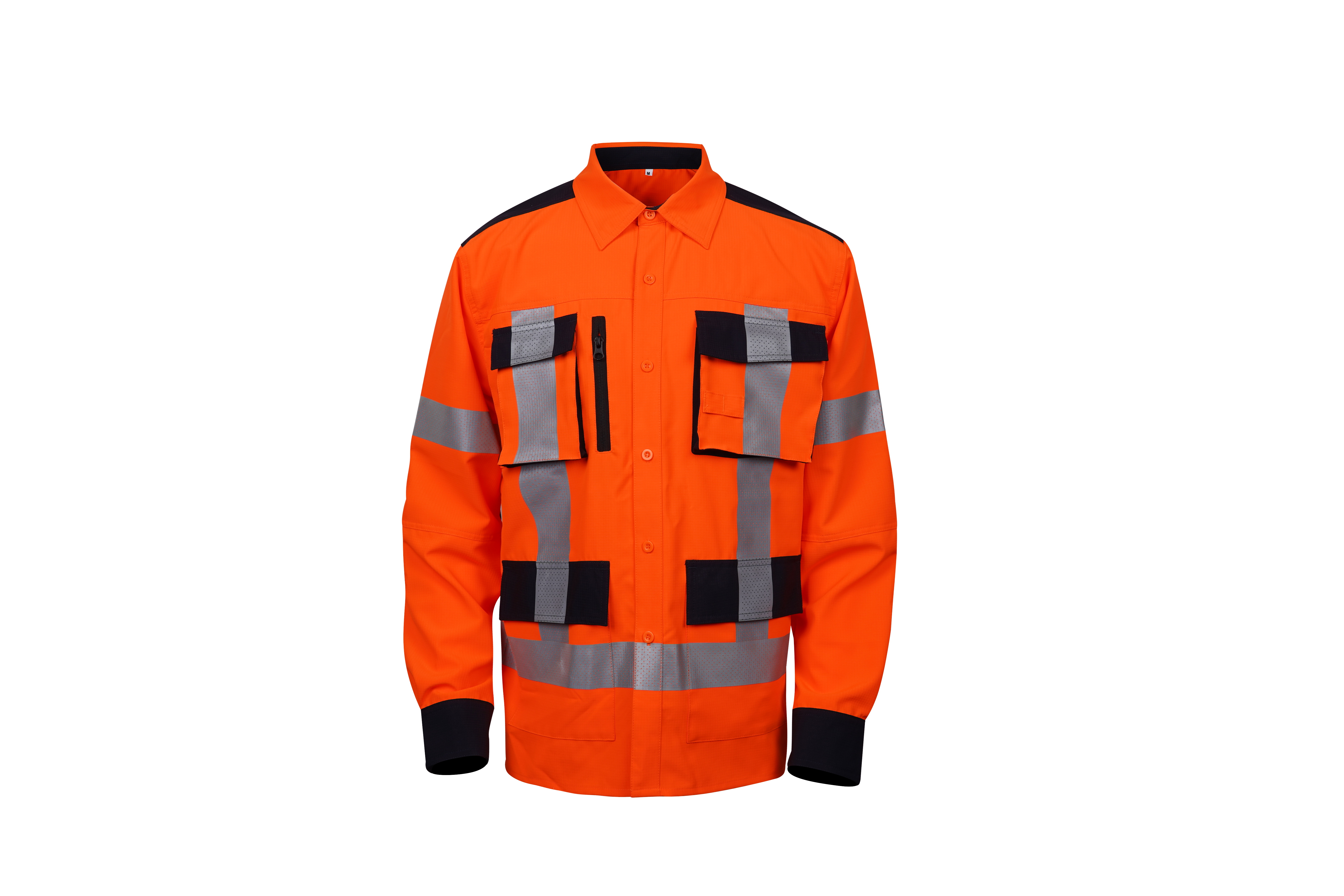
Outdoor roles combine visibility, weather exposure, and layering requirements. Professional manufacturers integrate reflective components and outer shell construction without compromising movement or wash durability.
Scenario awareness allows manufacturing decisions to remain precise rather than generalized.
Manufacturing Approach Comparison: Transactional Supply vs. AOKENEW
| Evaluation Dimension | Transactional Supplier | AOKENEW Manufacturing Model |
|---|---|---|
| Role in buyer program | Order-based | Program-oriented |
| Material selection logic | Short-term availability | Long-term repeatability |
| Construction standards | Order-specific | Documented and repeatable |
| Cross-category coordination | Minimal | System-level integration |
| Batch-to-batch stability | Variable | Controlled |
| Long-term sourcing risk | Higher | Reduced |
This difference explains why experienced buyers increasingly evaluate manufacturers by lifecycle stability rather than initial price.
Procurement Execution: MOQ, Lead Time, and Customization Control
MOQ and Program Scalability
MOQ is structured to support both initial rollout and future expansion. Professional manufacturers plan material usage to avoid fragmentation when reorders occur.
Lead Time Predictability
Lead time is managed through defined stages—sampling, material allocation, production, and final assembly. Stability comes from locking structural decisions early rather than reacting mid-production.
Customization With Program Continuity
Customization such as logos, trims, or reflective layouts is integrated into the manufacturing system, ensuring that future orders remain visually and structurally consistent.
A professional workwear manufacturer treats customization as a controlled variable, not a disruption.
Frequently Asked Questions
How does a professional manufacturer reduce risk in long-term programs?
By standardizing materials, construction, and processes so repeat orders match earlier deliveries.
Is professional manufacturing only relevant for large volumes?
No. Even medium-sized programs benefit from consistency when garments are reordered or expanded over time.
What should be documented before approving production?
Material specifications, reinforcement logic, size grading, and customization standards should all be confirmed at sampling.
Closing Perspective
Selecting a professional workwear manufacturer is ultimately about maintaining control as programs grow and evolve. When materials, garment structure, and manufacturing processes are aligned from the start, uniform programs become easier to scale and more predictable in performance.
AOKENEW supports long-term workwear programs through structured manufacturing workflows, cross-category coordination, and disciplined process control. An overview of our manufacturing capabilities and workwear categories is available on our homepage: https://www.aokenew.com.
If you have related requirements or questions—such as managing repeat orders, coordinating multiple garment types, or aligning customization with future expansion—our team can provide practical input based on real manufacturing experience. You are welcome to reach out directly through our Contact Us page: https://www.aokenew.com/contact-us.