
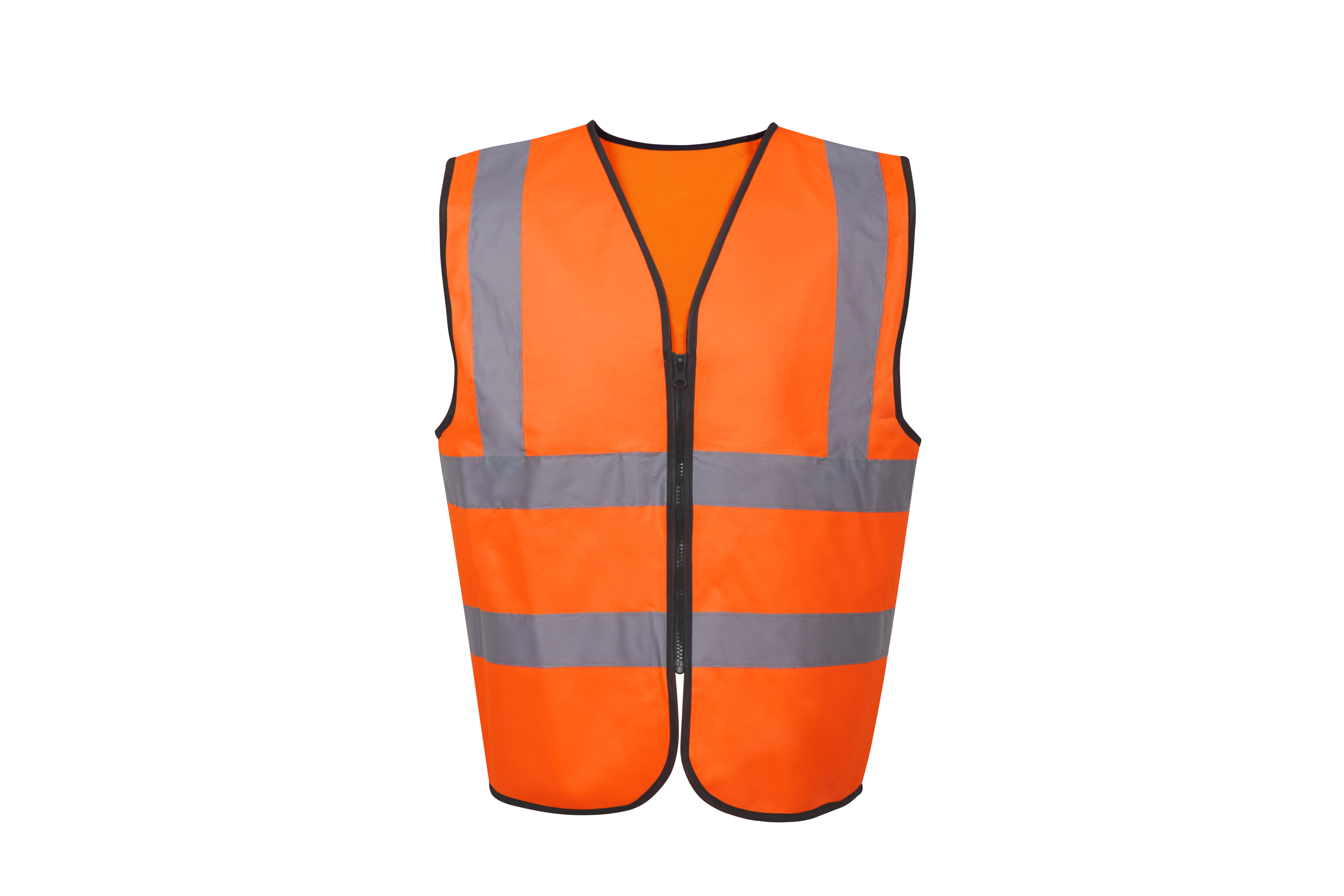
Workwear OEM Supplier in Industrial Uniform Programs
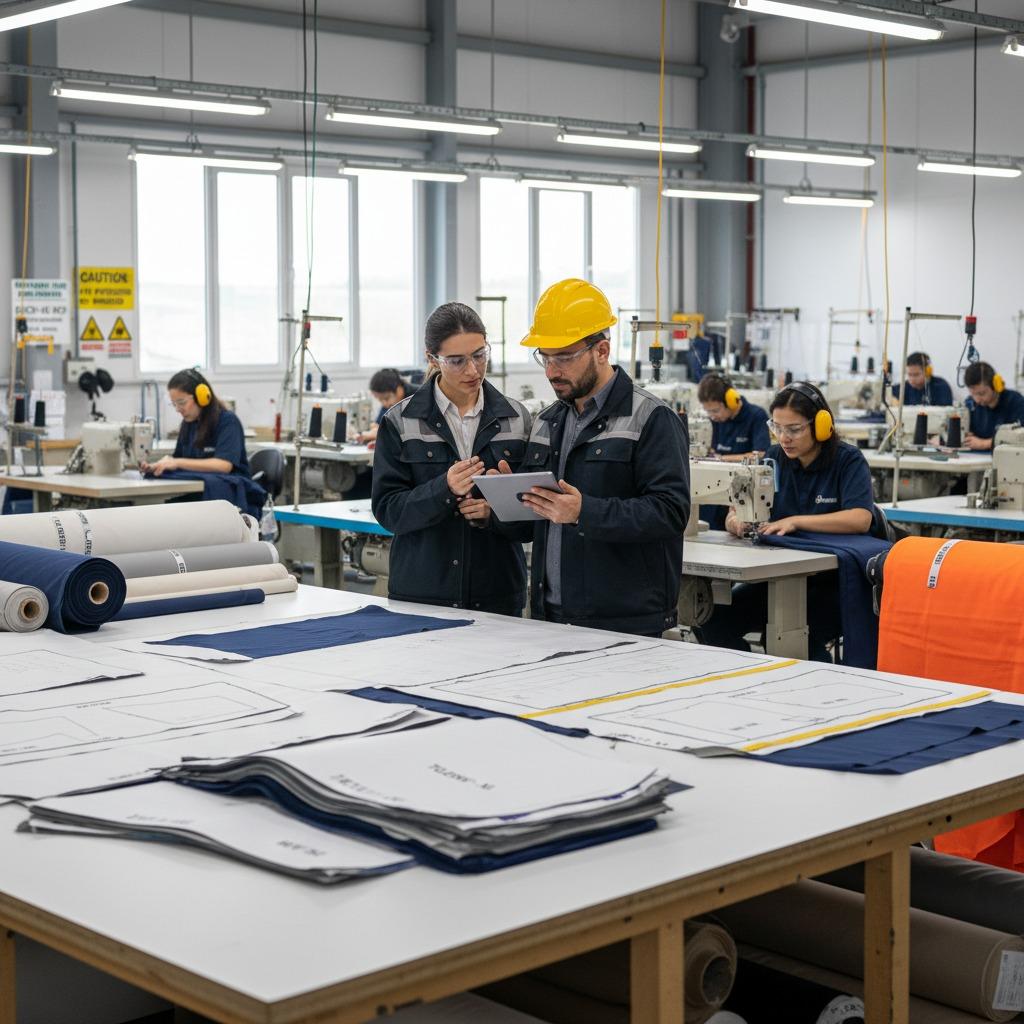
In industrial workwear sourcing, OEM manufacturing is rarely just about producing to a buyer’s specification. Once uniform programs scale across sites, job roles, and reorder cycles, the OEM supplier becomes a structural part of the buyer’s operational system. In this context, a workwear OEM supplier is evaluated by how well it stabilizes quality, timelines, and execution—not by how quickly it can copy a sample.
Most sourcing risks surface only after the first delivery.
Why OEM Matters Beyond Initial Production
OEM as a Program-Level Function
OEM manufacturing in workwear extends beyond assembly. It includes material continuity, construction repeatability, and the ability to support reorders without specification drift.
Without this discipline, buyers often face:
-
Variations in fabric feel and weight
-
Inconsistent reinforcement placement
-
Size grading changes across batches
A workwear OEM supplier anticipates these risks by embedding control into the manufacturing process from the beginning.
OEM Manufacturing Logic in Professional Workwear
Material Strategy Designed for Repeatability
OEM suppliers supporting long-term programs prioritize materials that can be sourced consistently over time. Fabrics selected only for short-term availability introduce risk when reorders occur months later.
Professional OEM material strategy focuses on:
-
Stable fabric supply chains
-
Predictable dyeing and finishing behavior
-
Compatibility with industrial laundering
Material decisions therefore support lifecycle stability, not just first-batch performance.
Construction Standards That Scale
OEM manufacturing relies on documented construction logic rather than operator-dependent execution. Reinforcement zones, seam types, and stitching density are standardized to ensure repeatability across large volumes.
This reduces dependency on individual workmanship and improves batch-to-batch consistency.
Scenario Coordination Across Workwear Categories
Integrating Multiple Garment Types
Uniform programs rarely rely on a single garment. Jackets, vests, woven workwear, and reflective apparel are often deployed together across seasons and job functions.
A workwear OEM supplier coordinates:
-
Fabric compatibility across categories
-
Color and trim consistency
-
Structural logic that aligns fit and movement
This integration prevents mismatched performance when garments are worn together.
Scenario-Based OEM Strengths
Industrial and Factory Environments
OEM-produced factory workwear emphasizes abrasion resistance, shape retention, and comfort during repetitive motion. Woven fabrics and targeted reinforcement dominate construction logic.
Logistics and Warehousing
Here, OEM manufacturing balances lightweight construction with durability. Garments must remain flexible while maintaining seam strength after frequent washing.
Outdoor and Utility Operations
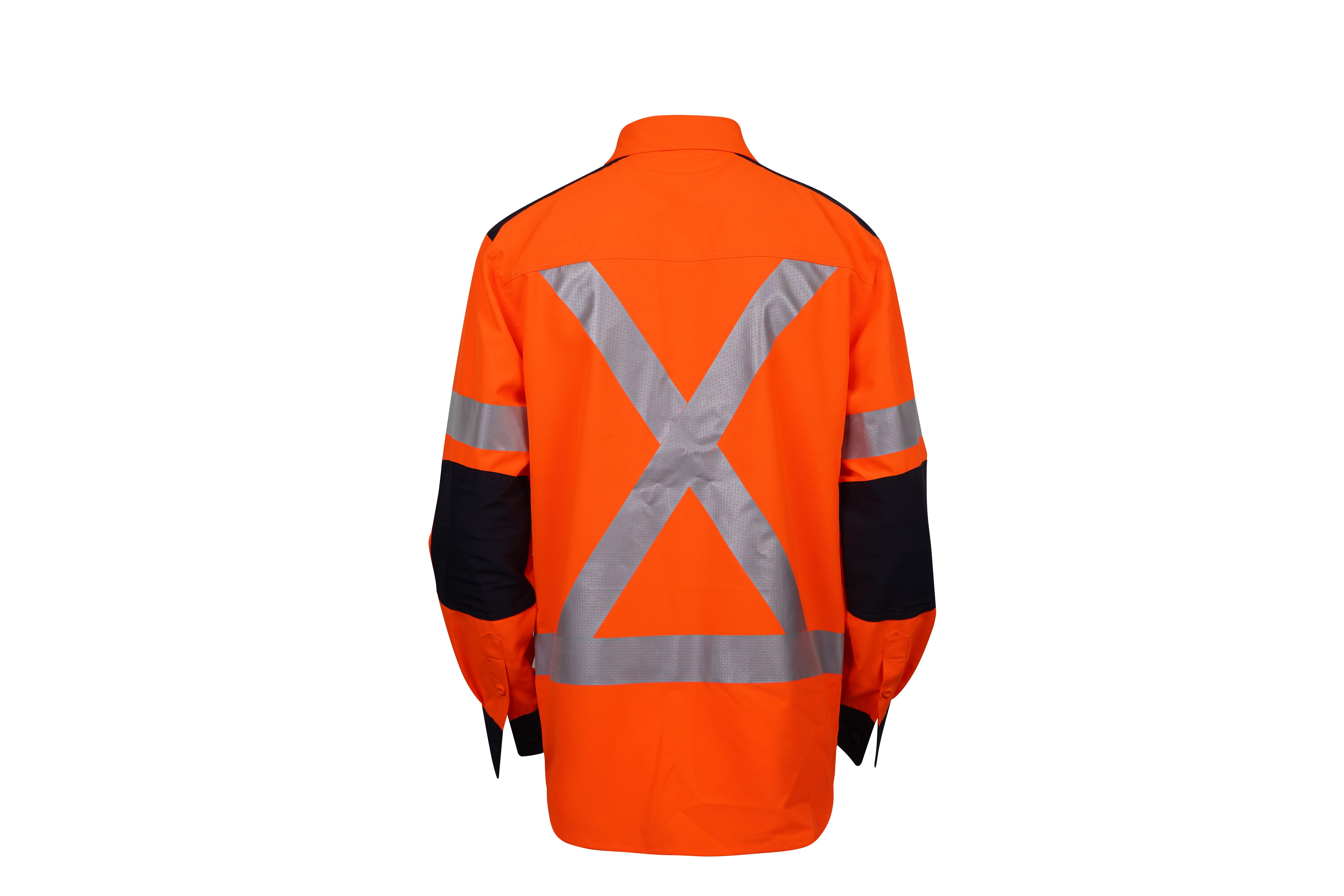
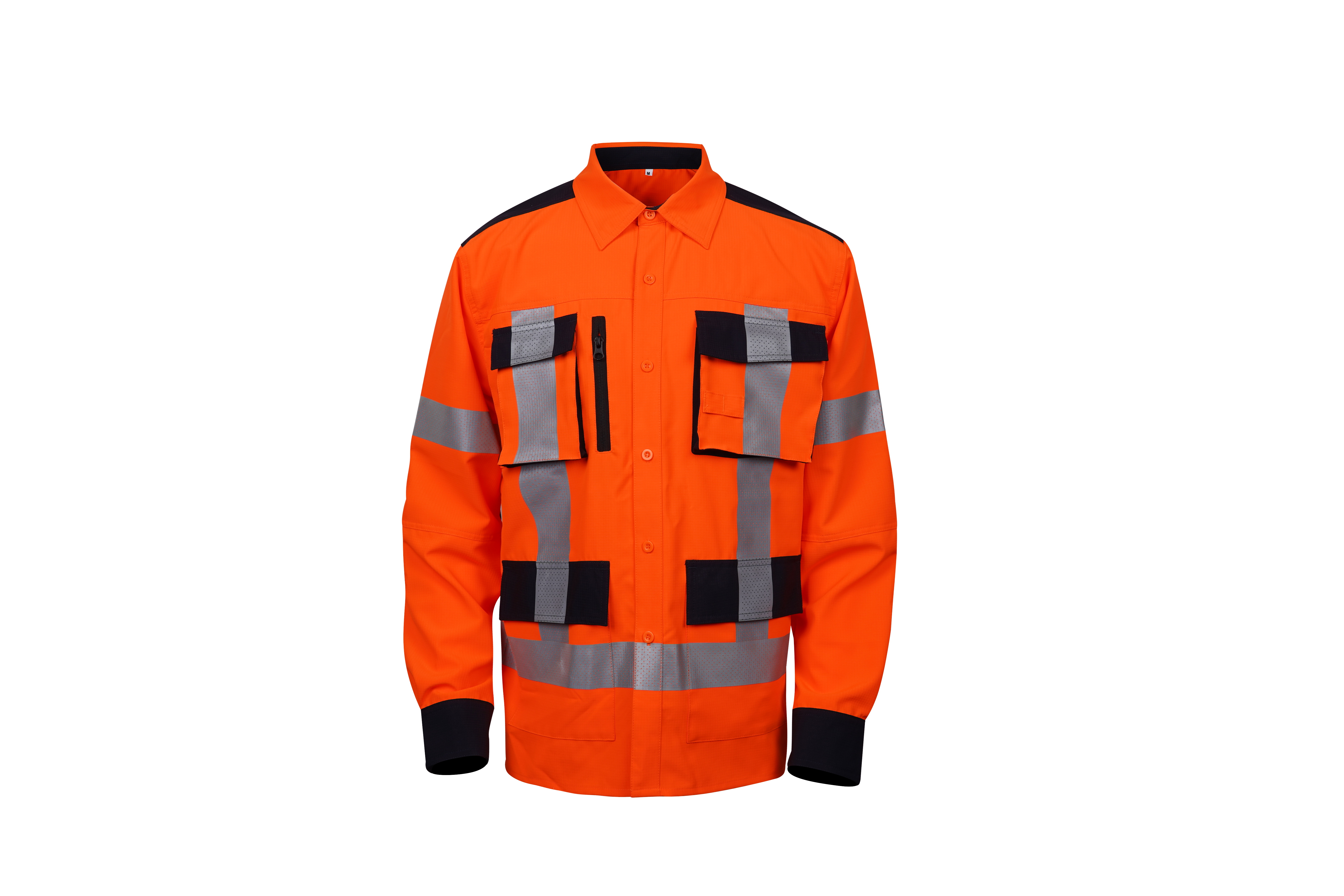
OEM suppliers integrate reflective components, weather resistance, and layered construction while ensuring these features remain stable across bulk reorders.
Scenario awareness differentiates professional OEM suppliers from transactional factories.
OEM Sourcing Models: Transactional Factory vs. AOKENEW
| Evaluation Dimension | Transactional OEM Factory | AOKENEW OEM Model |
|---|---|---|
| Role in buyer program | Order execution | Program support |
| Material selection | Short-term availability | Long-term continuity |
| Construction standards | Order-specific | Documented and repeatable |
| Cross-category coordination | Limited | System-level |
| Reorder consistency | Variable | Controlled |
| Long-term sourcing risk | Higher | Reduced |
This difference explains why experienced buyers evaluate OEM suppliers by lifecycle performance rather than unit price alone.
MOQ, Lead Time, and Customization Under OEM Models
MOQ as a Production Planning Tool
MOQ in OEM manufacturing is structured to align material procurement with production efficiency. Orders below optimal thresholds often increase per-unit cost or disrupt scheduling.
Lead Time Predictability
Lead time is managed through defined stages—sampling, material allocation, production, and final assembly. Late changes to structure or trims remain the most common source of delay.
Customization With OEM Control
Customization such as logos, trims, or reflective layouts is integrated into OEM planning early. A workwear OEM supplier treats customization as a fixed parameter rather than an adjustable variable.
Frequently Asked Questions
How does an OEM supplier reduce risk in long-term workwear programs?
By standardizing materials, construction, and processes so reorders match earlier deliveries.
Is OEM suitable only for large volumes?
No. Medium-sized programs also benefit from OEM consistency when reorders or expansions occur.
What should buyers finalize before OEM production begins?
Material specifications, construction standards, size grading, and customization details should all be locked at sampling.
Closing Perspective
Working with a workwear OEM supplier is ultimately about maintaining control as uniform programs expand. When OEM manufacturing decisions align with real working conditions and long-term sourcing needs, buyers gain predictability in both performance and delivery.
AOKENEW supports OEM workwear programs through disciplined manufacturing workflows, cross-category coordination, and stable process control across woven workwear, jackets, vests, and reflective apparel. An overview of our manufacturing capabilities and product categories is available on our homepage: https://www.aokenew.com.
If you have related requirements or questions—such as transitioning from small batches to OEM production, aligning customization with repeat orders, or planning multi-site rollouts—our team can provide practical input based on real manufacturing experience. You are welcome to reach out directly through our Contact Us page: https://www.aokenew.com/contact-us.