

Workwear Manufacturing Services in Industrial Apparel Programs
In industrial apparel sourcing, manufacturing services are often misunderstood as a simple extension of production capacity. In reality, once workwear programs involve multiple garment types, usage scenarios, and repeat orders, workwear manufacturing services become a structural part of how quality, timelines, and cost are controlled.
The difference is rarely visible in the first delivery. It becomes clear as programs expand.
What “Manufacturing Services” Really Mean in Workwear Projects
Beyond Assembly: Service as a Control Layer
Manufacturing services in professional workwear include material planning, construction standardization, and process coordination. These elements determine whether garments produced today will match those delivered months later.
Without service-level integration, buyers often face:
-
Inconsistent fabric behavior across reorders
-
Variation in reinforcement and construction details
-
Unstable delivery timelines
A professional workwear manufacturer treats manufacturing services as a continuous system rather than a one-time task.
Material and Construction Services That Support Consistency
Material Management as a Manufacturing Service
Material-related services involve more than sourcing. They include fabric continuity planning, shrinkage behavior validation, and compatibility with industrial laundering.
International quality frameworks such as ISO 9001 emphasize process consistency and documentation as the foundation of reliable manufacturing outcomes.
Reference: https://www.iso.org/iso-9001-quality-management.html
In workwear programs, this approach ensures that material decisions support long-term repeatability, not just short-term availability.
Construction Standards as a Repeatable System
Manufacturing services also define how garments are built. Reinforcement zones, seam types, and stitch density are standardized so results do not depend on individual operators.
This documentation-driven construction logic allows production to scale without quality drift.
Scenario-Based Manufacturing Services in Practice
Industrial and Factory Operations
For factory environments, manufacturing services focus on abrasion resistance, shape retention, and comfort during repetitive movement. Woven fabrics, reinforced stress zones, and stable size grading are prioritized.
Logistics and Warehousing
Here, services balance durability with flexibility. Manufacturing decisions emphasize lightweight construction, seam durability, and wash stability to support frequent laundering.
Outdoor and Utility Work
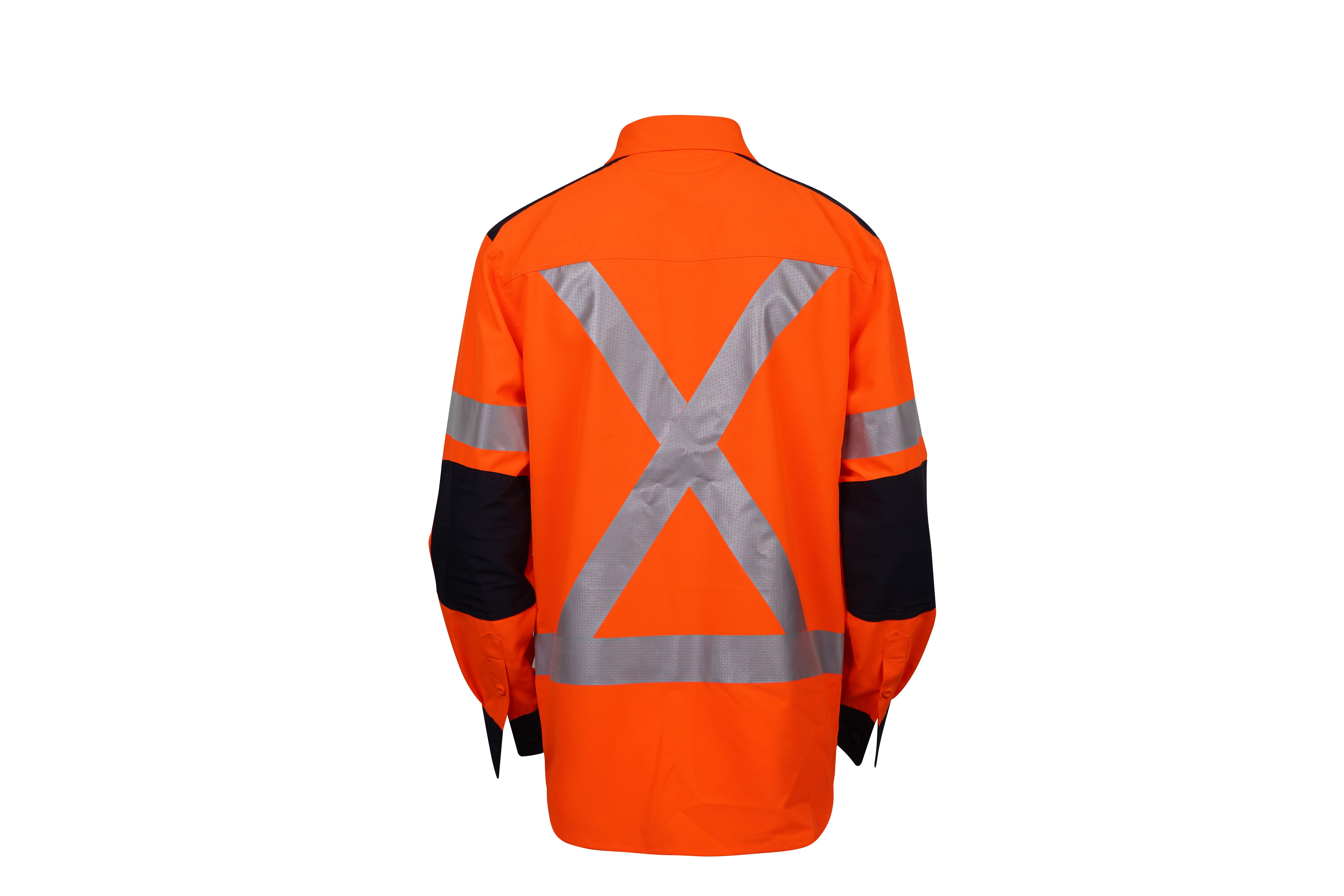
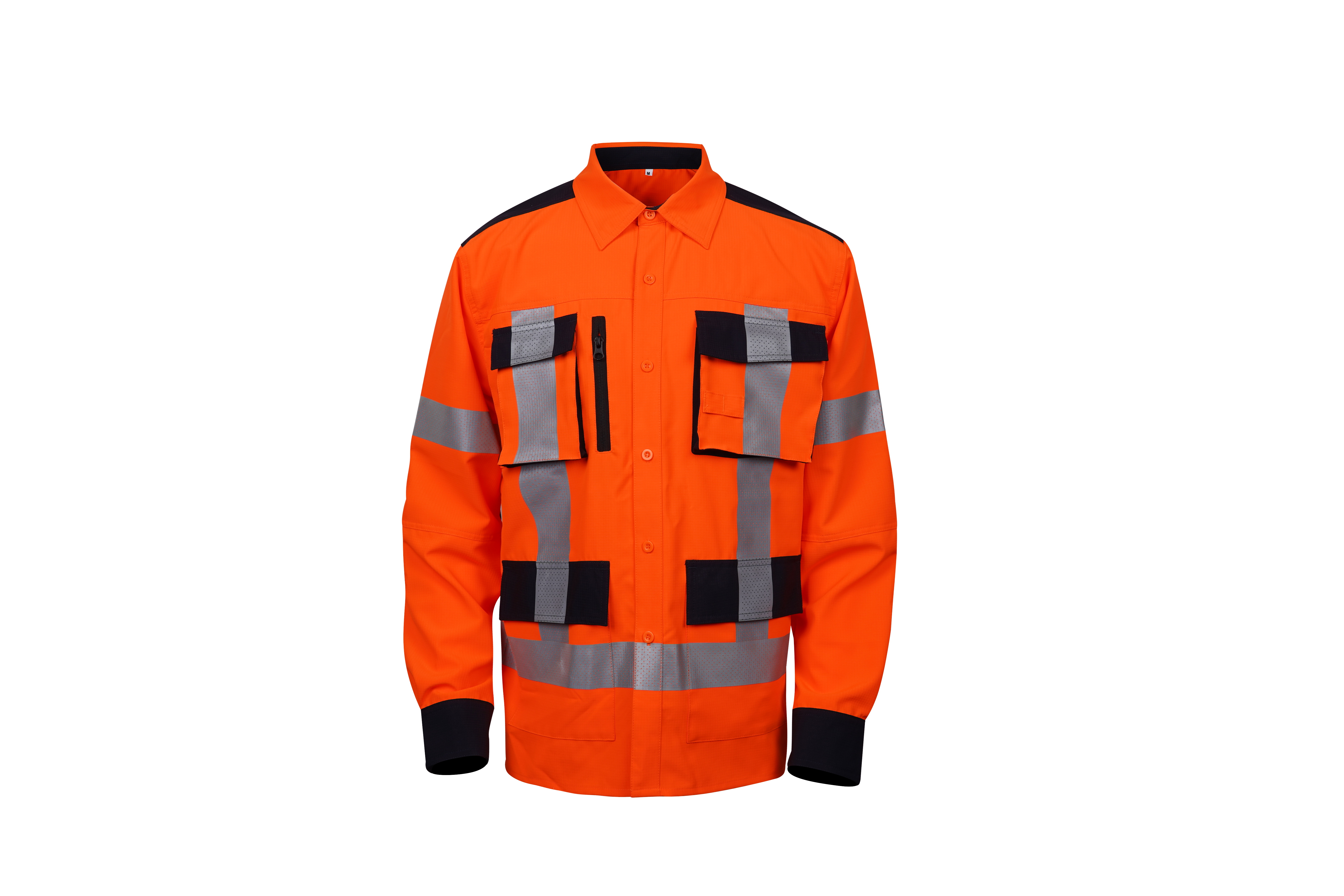
Outdoor scenarios combine weather exposure, visibility requirements, and layered use. Manufacturing services coordinate reflective placement, outer shell construction, and compatibility with industrial washing processes.
Global occupational safety guidance from organizations such as the International Labour Organization (ILO) reinforces the importance of suitable protective clothing for different working conditions.
Manufacturing Service Models: Transactional vs. Integrated
| Evaluation Aspect | Transactional Production | Integrated Manufacturing Services (AOKENEW) |
|---|---|---|
| Scope of service | Assembly only | Materials, construction, and process |
| Repeat-order support | Limited | Planned and documented |
| Scenario adaptability | Reactive | Designed by use case |
| Batch consistency | Variable | Controlled |
| Program scalability | Unstable | Predictable |
| Long-term cost control | Difficult | More manageable |
This contrast explains why experienced buyers increasingly evaluate suppliers by service capability rather than unit pricing alone.
MOQ, Lead Time, and Customization as Part of Manufacturing Services
MOQ Planning
In integrated manufacturing services, MOQ is aligned with material sourcing efficiency and production flow. Orders below optimal thresholds often increase cost or extend lead time due to fragmented planning.
Lead Time Management
Lead time is structured into sampling, material preparation, production, and final assembly. Manufacturing services reduce delay risk by locking structural and material decisions early.
Customization With Process Control
Logos, trims, and reflective layouts are treated as fixed parameters within the service system. This ensures that customization remains consistent across bulk production and reorders.
Frequently Asked Questions
How are manufacturing services different from basic OEM production?
Manufacturing services include planning, documentation, and coordination, not just execution.
Do integrated services only benefit large programs?
No. Even mid-sized programs gain stability when repeat orders or expansions are expected.
What should buyers confirm before approving manufacturing services?
Material continuity, construction standards, size grading, and customization rules should all be finalized during sampling.
Closing Perspective
Effective workwear manufacturing services provide control as industrial apparel programs grow in complexity. When materials, garment structure, and production processes are managed as a unified system, buyers gain predictability in quality, delivery, and long-term cost.
AOKENEW supports industrial workwear programs through integrated manufacturing services, covering woven workwear, jackets, vests, and reflective apparel with scenario-aware design and disciplined process control. An overview of our manufacturing capabilities and product categories is available on our homepage: https://www.aokenew.com.
If you have related requirements or questions—such as coordinating multiple garment types, planning repeat orders, or aligning customization with future production—our team can provide practical input based on real manufacturing experience. You are welcome to reach out directly through our Contact Us page: https://www.aokenew.com/contact-us.