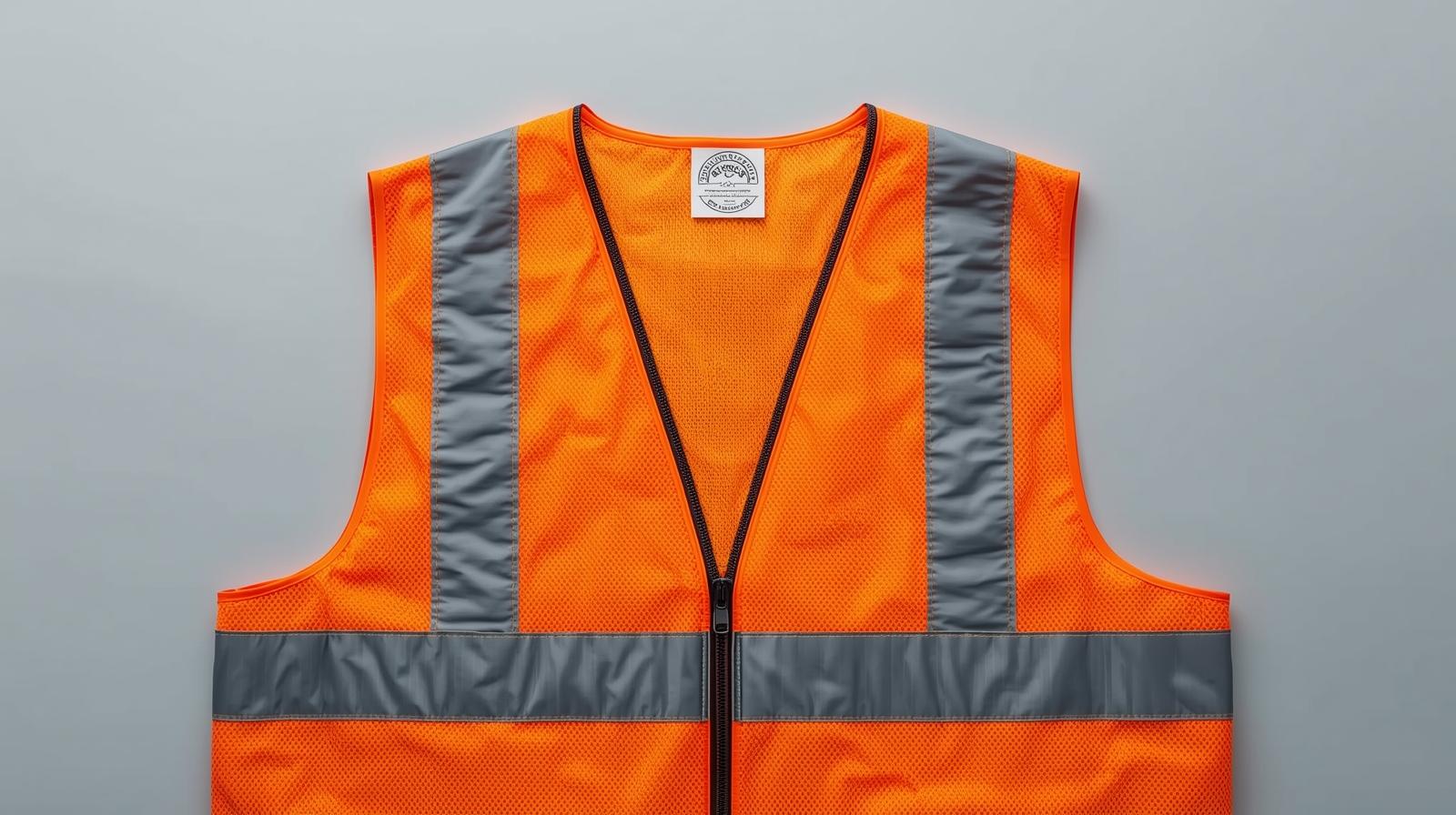


Professional Reflective Apparet in Industrial Workwear Projects
On active job sites, visibility is rarely a cosmetic requirement. It is shaped by fatigue, traffic exposure, weather changes, and repeated movement across long shifts. In this context, Professional Reflective Apparet is selected not for how it appears on delivery day, but for how consistently it performs after weeks of wear and repeated industrial laundering.
For procurement teams, the core question is practical: will reflective performance remain stable throughout the garment’s service life, or quietly degrade until replacement becomes unavoidable?
Work Conditions That Define Reflective Performance Requirements
Industrial environments expose garments to fluctuating light conditions, mechanical abrasion, and frequent washing. Reflective elements must remain effective during early mornings, artificial lighting, and low-contrast weather such as rain, dust, or fog.
What is often underestimated is that reflective degradation is rarely caused by brightness loss alone. It is usually driven by the interaction between reflective tape, base fabric density, stitching tension, and garment movement over time.
Material and Construction Logic Behind Professional Reflective Apparet
Reflective performance depends on more than initial luminance ratings. In workwear applications, bonding method, tape flexibility, and compatibility with woven fabrics directly affect durability.
In Professional Reflective Apparet, reflective systems are typically engineered with:
-
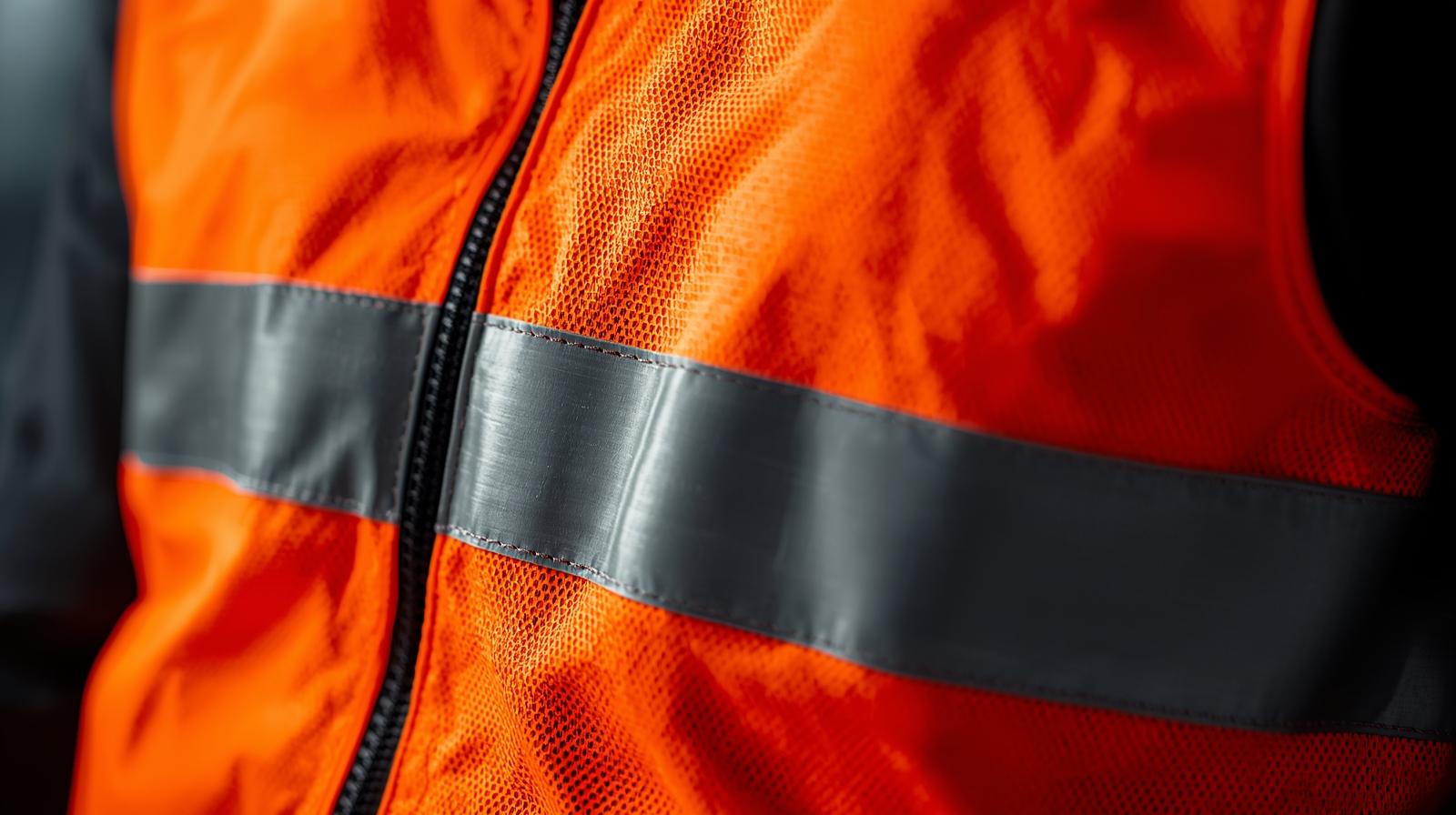
Heat-applied or stitched reflective tapes matched to woven fabric density
-
Adhesion stability under repeated industrial washing
-
Placement strategies that avoid high-friction folds and stress zones
This construction-focused approach helps maintain reflective effectiveness while preserving garment flexibility and wearer comfort.
Where Standard Reflective Garments Often Fall Short — and How That Is Addressed
Many standard reflective garments are designed to meet short-term compliance requirements, but struggle under real working conditions. Common issues include tape peeling after washing, surface abrasion reducing reflectivity, and stiff tape structures accelerating fabric fatigue.
A more reliable solution treats reflectivity as part of the garment system rather than a surface add-on. In Professional Reflective Apparet projects, reflective placement is coordinated with fabric structure and movement paths, while bonding methods are selected based on wash durability rather than application speed alone.
From a sourcing perspective, this reduces premature replacement and improves batch-to-batch consistency—two cost factors that are often underestimated during initial procurement.
Reflective Performance Comparison in Industrial Use (Data-Oriented)
The following data represents performance range estimates based on common industrial laundering frequencies, reflective material aging patterns, and practical experience from bulk workwear programs. These figures are intended to support procurement decision-making and do not represent single laboratory limit values.
| Technical Aspect | Standard Reflective Garments | Professional Reflective Apparet |
|---|---|---|
| Reflective tape grade | Entry-level commercial tape | Industrial-grade reflective tape |
| Reflective performance retention after 20 wash cycles | ~70–75% of initial reflectivity | ~85–90% of initial reflectivity |
| Reflective performance retention after 40 wash cycles | ~45–55% (visible dulling) | ~70–80% (still compliant in most use cases) |
| Abrasion resistance impact (high-friction zones) | Reflective loss increases by ~30–40% | Reflective loss limited to ~10–15% |
| Bonding failure probability over service life | ~20–25% risk of edge lifting or cracking | Typically <8–10% when correctly bonded |
| Flexibility degradation over time | Stiffness increase ~25–30% | Stiffness increase controlled to ~10–15% |
| Batch-to-batch performance variation | ±15–20% variance common | Usually within ±5–8% |
| Estimated replacement cycle impact | Replacement needed 30–40% sooner | Replacement cycle extended by ~25–35% |
How to interpret these figures:
In long-term industrial programs, even a 10–15% improvement in reflective performance retention can translate into significantly fewer garment replacements over a year, especially in roles with frequent laundering and high abrasion exposure.
Applying Professional Reflective Apparet Across Workwear Categories
Reflective performance is most effective when deployed across a coordinated workwear system rather than isolated garments.
-
Woven Workwear
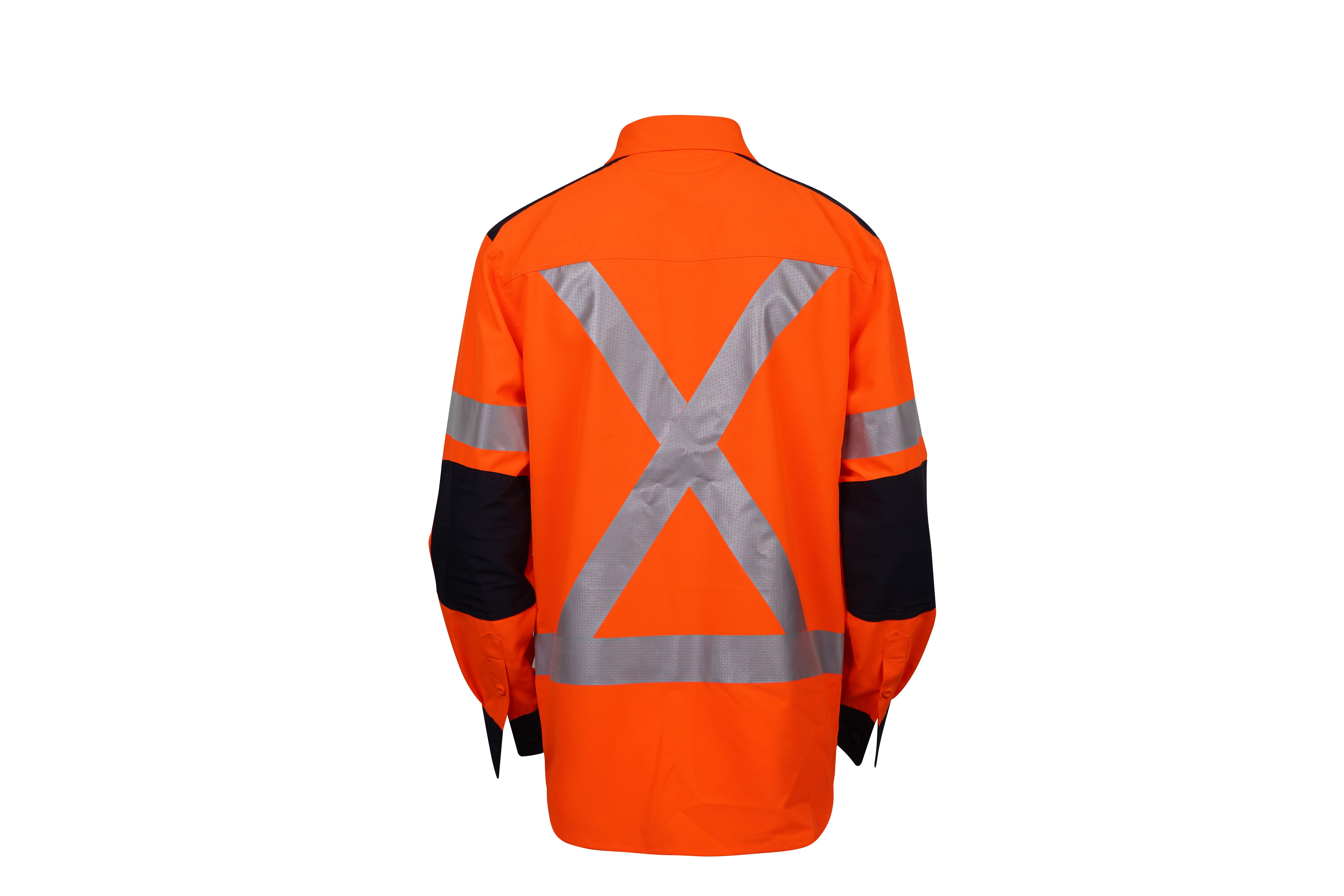
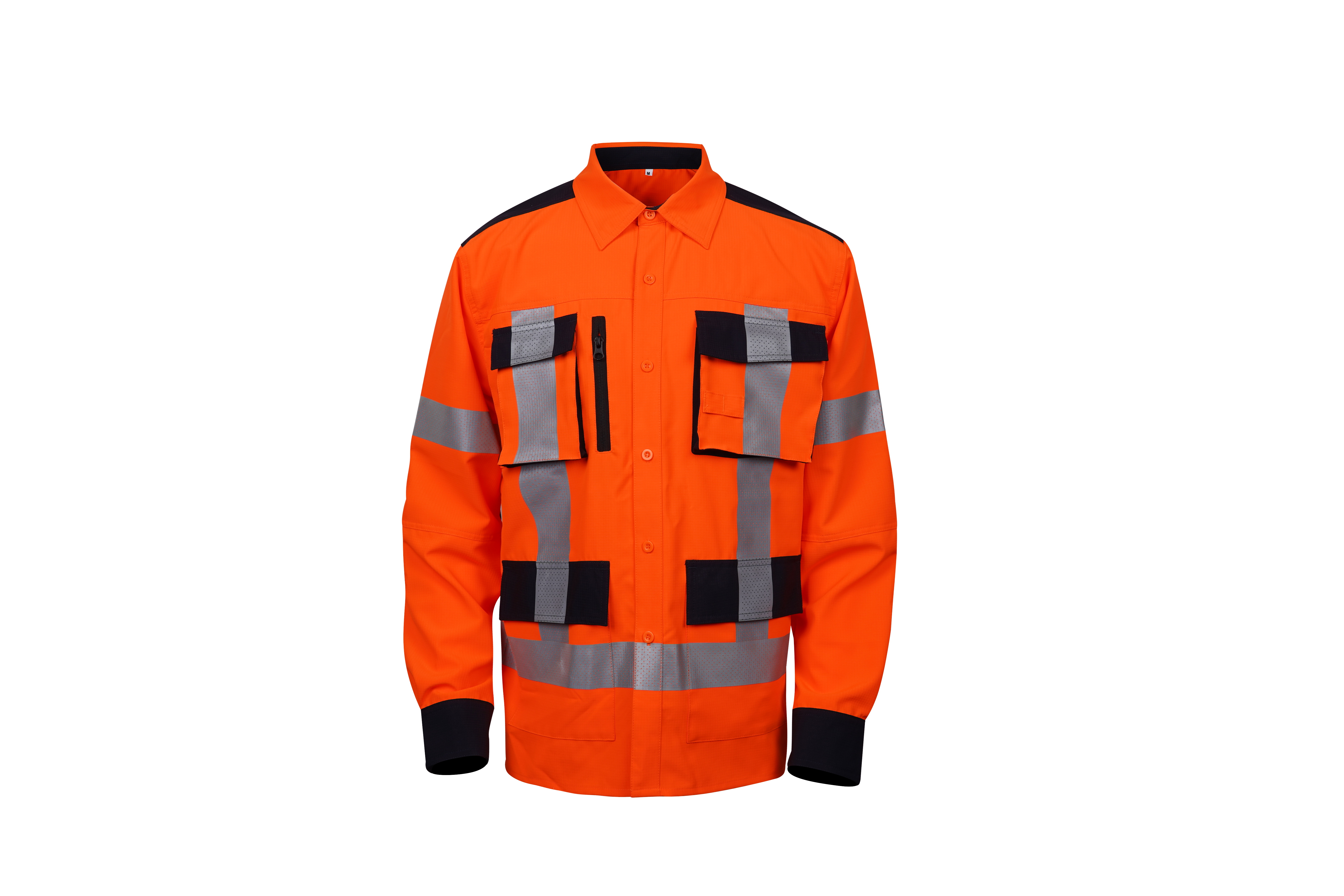
In manufacturing and maintenance environments, woven garments face constant friction. Reflective elements are positioned to maintain torso and limb visibility while avoiding tool-contact and fold zones that accelerate wear. -
Jackets and Outerwear
In roadside and outdoor operations, jackets function as the primary visibility layer. Reflective components must remain effective under low-light and wet conditions while maintaining flexibility during extended movement. -
Vests
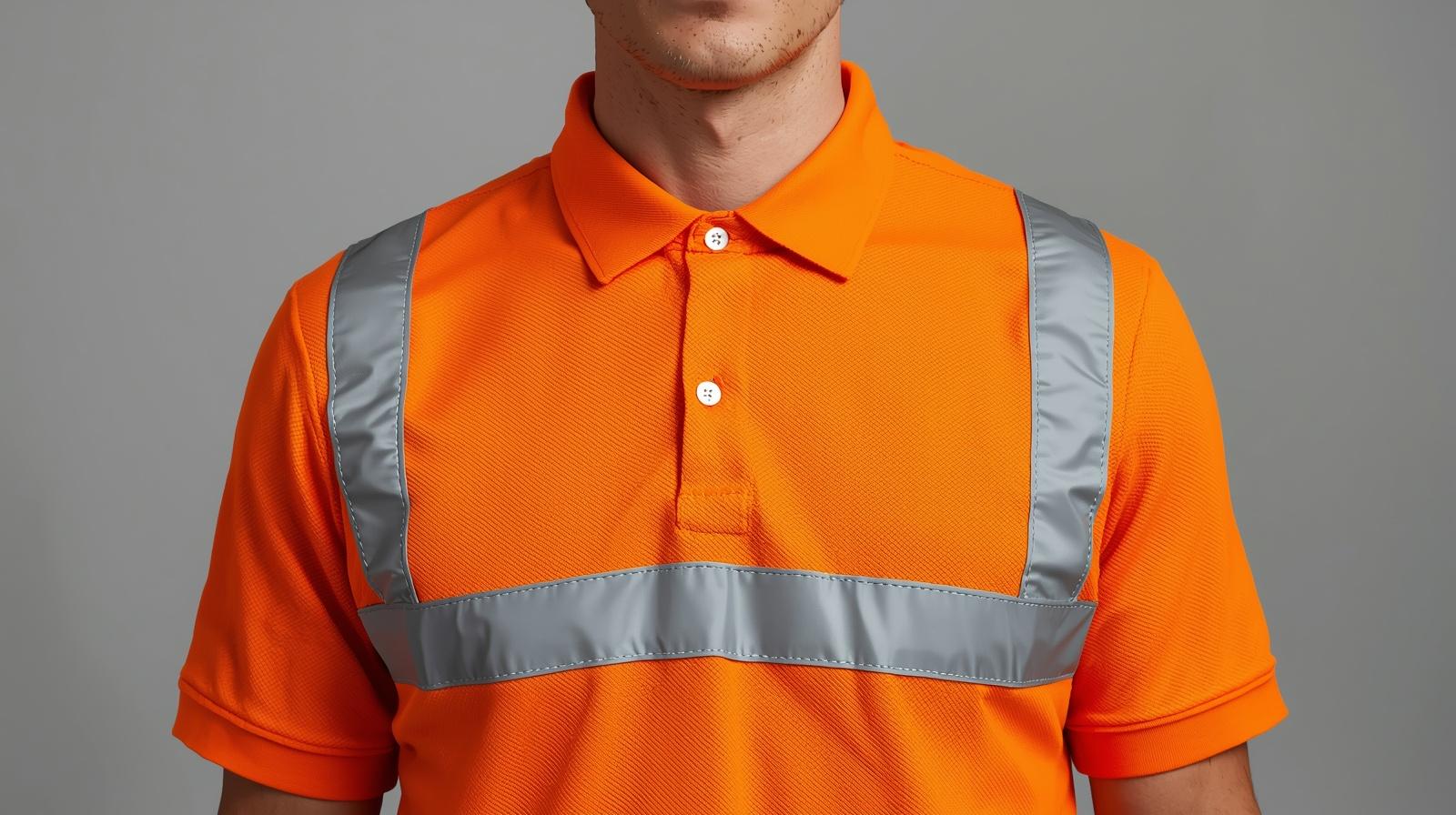
In logistics hubs and warehouses, lightweight reflective vests provide 360-degree visibility without adding thermal bulk, often layered over base garments to adapt to changing indoor and outdoor conditions.
When reflective layouts are coordinated across layers—vests, jackets, and woven garments—visibility remains consistent even as workers adjust clothing throughout a shift.
Procurement Considerations: MOQ, Lead Time, and Customization
Reflective workwear projects rely on early planning. MOQ is typically aligned with fabric and reflective material batching to maintain cost efficiency and production stability. Lead time is structured around sampling, functional confirmation, and mass production, with reflective layout and bonding methods finalized at the sample stage.
Customization options—such as stripe configuration, logo integration, or color contrast—are most effective when confirmed early. Late-stage changes often introduce avoidable delays and quality risks.
Frequently Asked Questions
How long does reflective performance typically last in industrial workwear?
Service life depends on material quality, placement, and wash conditions. Professionally engineered reflective systems are designed to maintain performance through repeated industrial laundering cycles.
Does reflective design significantly increase garment cost?
Initial unit cost may increase slightly, but improved durability often reduces long-term replacement and maintenance expenses.
What should be confirmed before bulk production begins?
Reflective layout, bonding method, wash requirements, and customization details should be finalized during sampling to ensure smooth production.
Closing Perspective
Choosing Professional Reflective Apparet is ultimately about controlling visibility risk over time rather than maximizing brightness at delivery. When reflective performance is integrated with fabric selection, garment structure, and production discipline, it becomes a stable part of daily operations instead of a recurring issue.
If you are evaluating reflective workwear solutions for ongoing industrial use, exploring how manufacturers approach reflective system design and production consistency can make a measurable difference.
AOKENEW supports OEM and custom workwear programs with practical design input, structured manufacturing processes, and experience across multiple workwear categories. You can learn more about our capabilities on our homepage:
👉 https://www.aokenew.com/
For project-specific discussions around reflective workwear requirements, customization scope, or production planning, feel free to contact our team directly here:
👉 https://www.aokenew.com/contact-us