
Why OEM safety workwear decisions more important than most buyers think
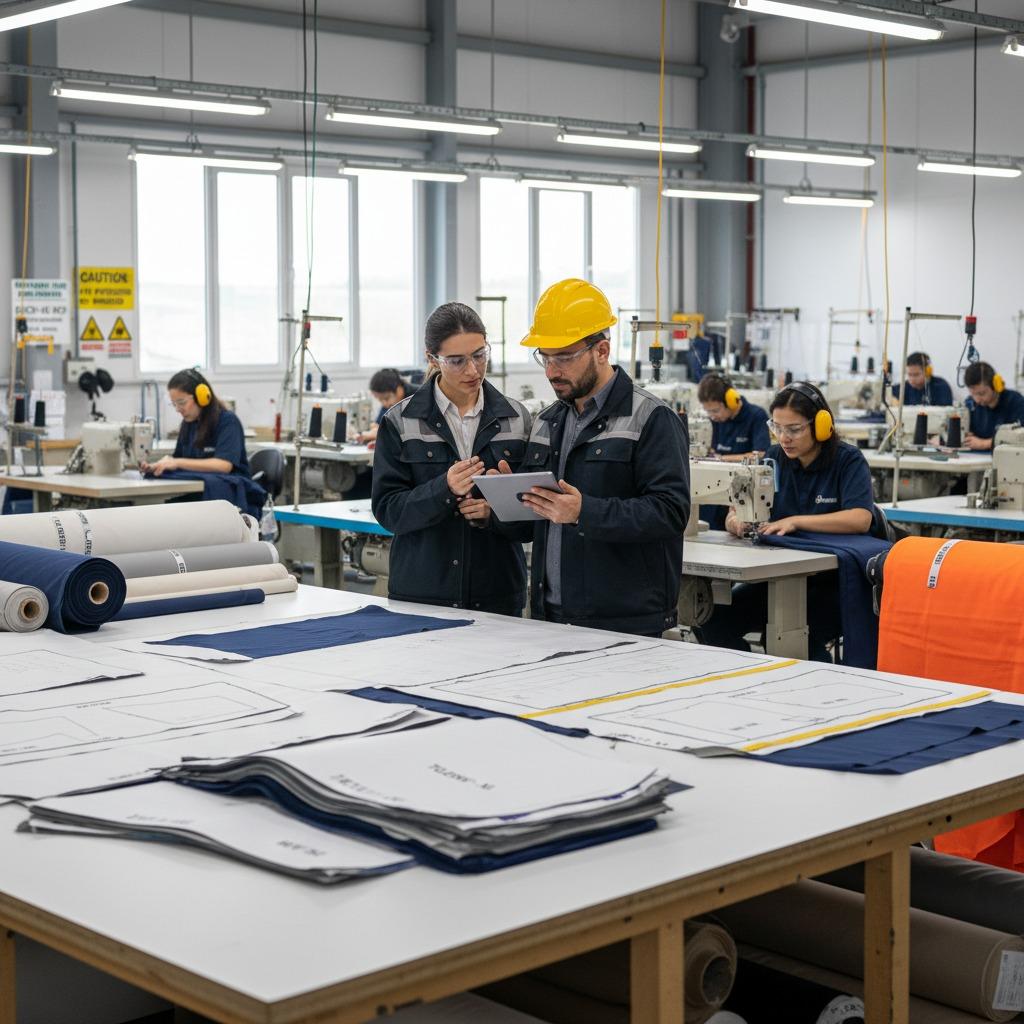
Buying OEM safety workwear is rarely just a sourcing exercise. For engineering teams, plant managers, procurement leads, and brand owners, the wrong choice can affect worker visibility, comfort in long shifts, inventory consistency, and even how a uniform program is received on the shop floor. In industrial settings, workwear is not only about looking organized; it is part of a company’s risk-control system, especially where visibility, weather exposure, or dirty environments make standard garments fall short.
That is why the real question is not simply “who can make the garments?” but “who can make the right garments reliably, at the right spec, and with enough consistency to support repeat orders?” The best sourcing decisions usually come from understanding materials, reflective performance, fit, and production control before committing to a supplier.
What OEM safety workwear usually covers
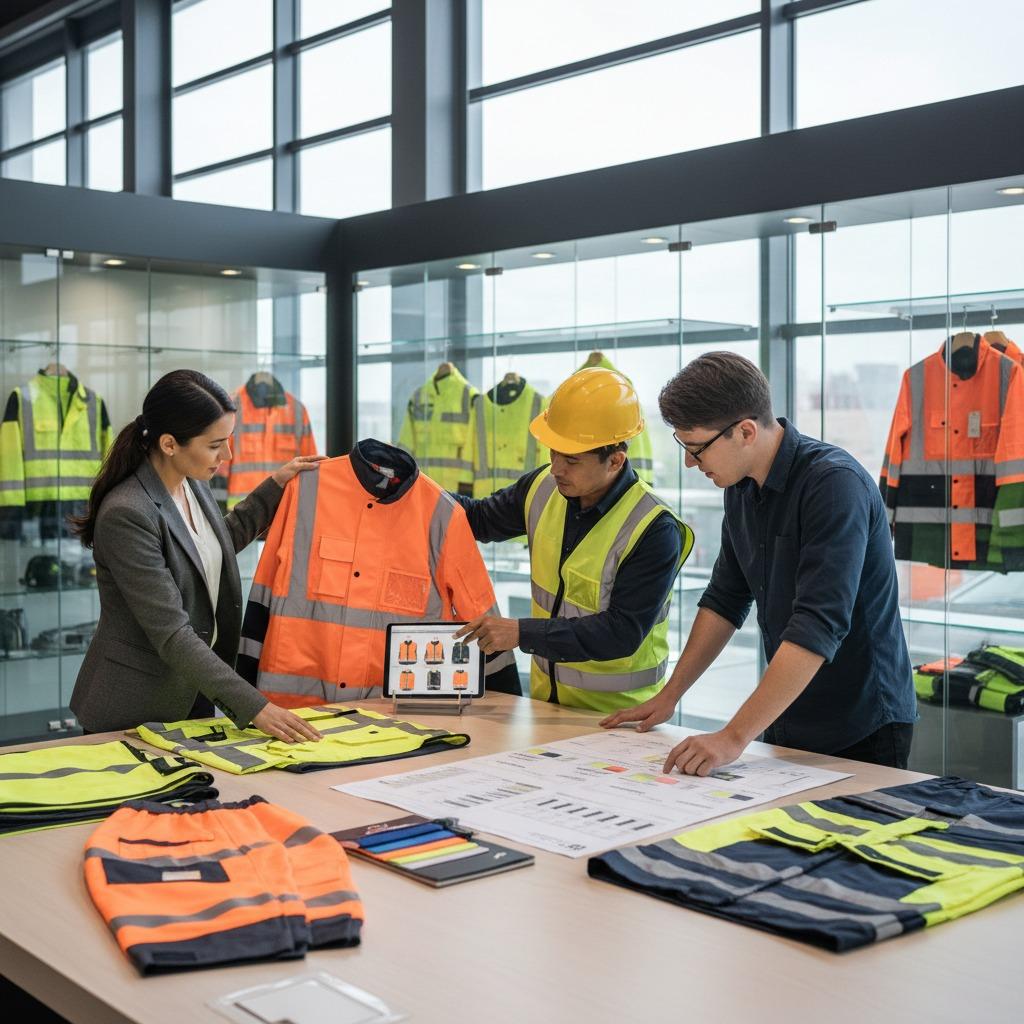
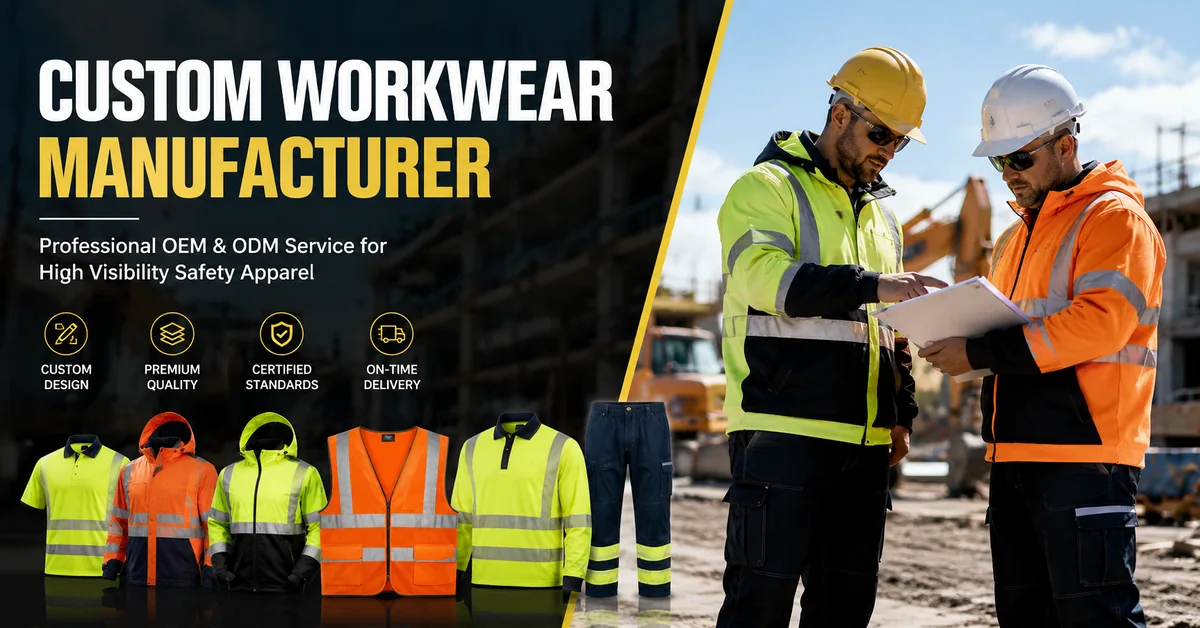
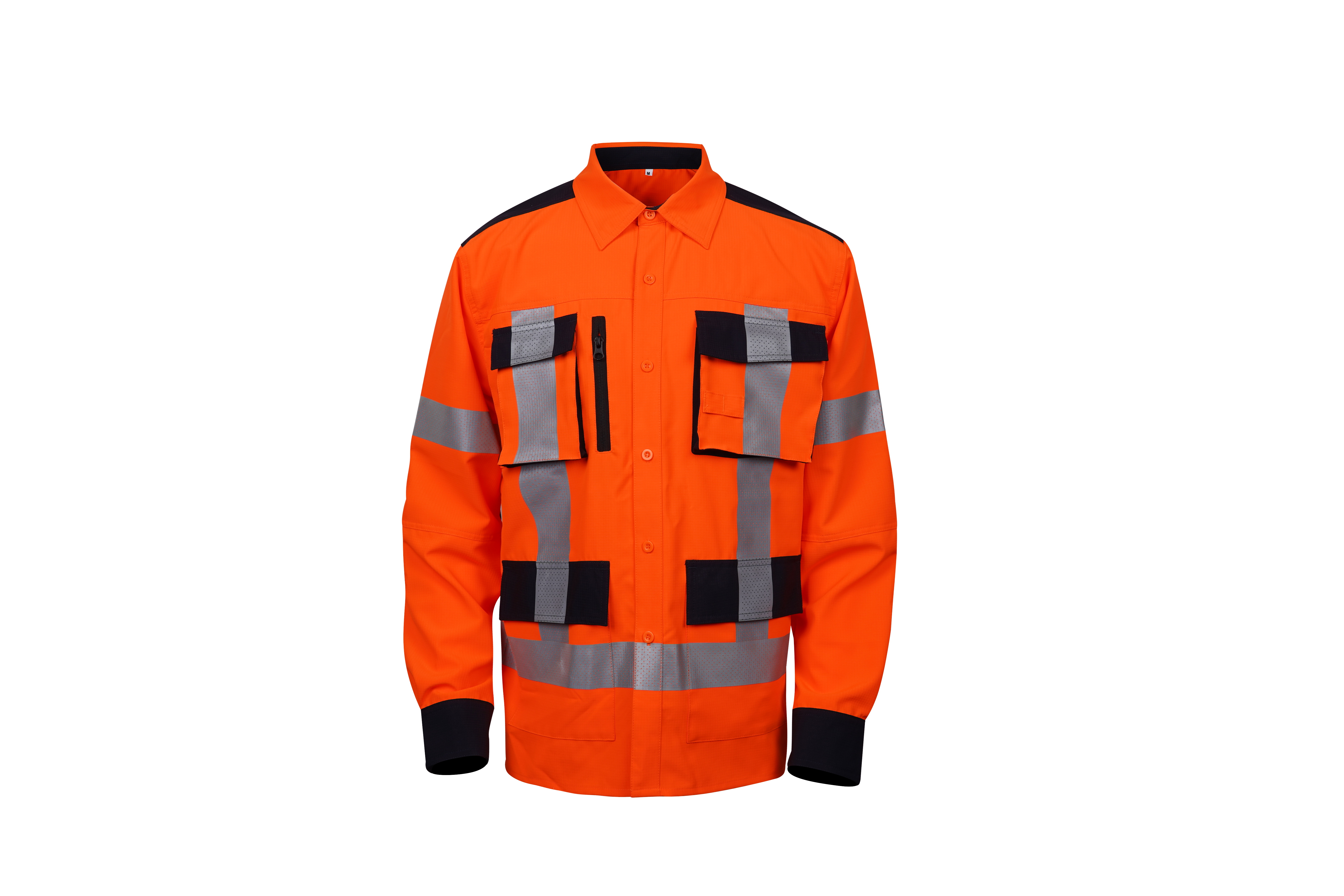
OEM safety workwear typically refers to branded or specification-based protective apparel made for another company’s use, not sold as a generic off-the-shelf line. In practice, it can include hi-vis vests, jackets, trousers, coveralls, and other garments designed around a customer’s branding and operational needs. Some buyers only need custom safety clothes with a logo and colorway. Others need a more complete program with multiple garment types that can be standardized across sites.
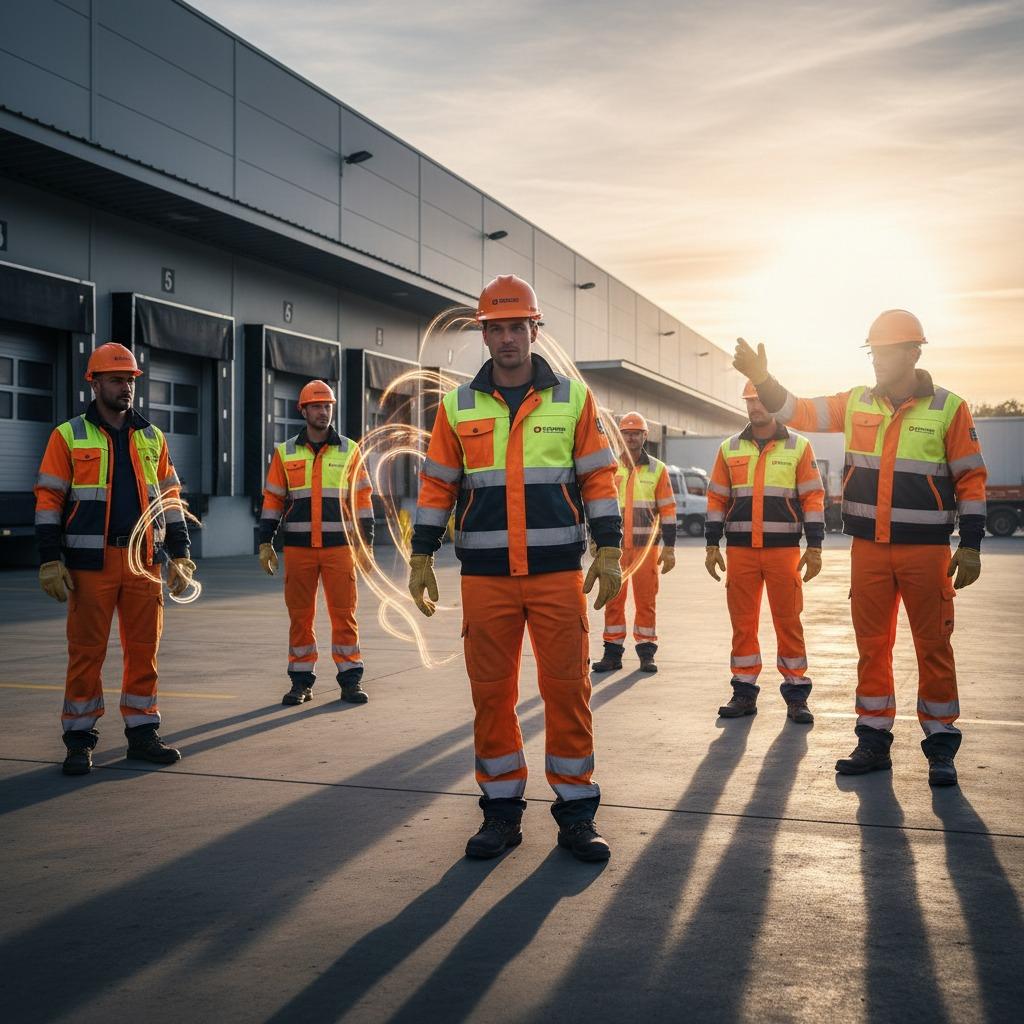
The most common buying mistake is treating all safety garments as interchangeable. A warehouse crew, a roadside maintenance team, and a night-shift utility crew do not need the same garment construction. Fabric weight, breathability, reflective strip placement, closure type, and seasonal layering all matter. If those details are ignored, the workwear may technically exist but still fail in daily use.
Quick comparison: what to evaluate before you place an order
Not every reflective clothing supplier is set up for the same kind of project. Before choosing a custom reflective workwear manufacturer, check these practical points:
1. Garment use case: indoor, outdoor, night work, roadside, cold-weather, or mixed conditions.
2. Fabric and construction: durability, comfort, weight, and whether the garment will hold up to repeated laundering.
3. Reflective design: placement, width, and how much visibility the pattern actually provides when a person is in motion.
4. Fit range: whether the size set supports your workforce without making the program difficult to issue.
5. Branding needs: logo application, color matching, and whether branding competes with visibility requirements.
6. Repeatability: the supplier’s ability to make the next order look and perform like the first one.
Material and design choices that affect performance
For OEM safety workwear, the material conversation should start with the work environment. Lightweight garments can improve comfort in hot or active settings, but they may not be ideal for abrasion-heavy tasks. Heavier fabrics can feel more durable, though they may reduce mobility if the cut is too stiff. That tradeoff matters. A garment nobody wants to wear becomes a compliance problem even if it was purchased for safety.
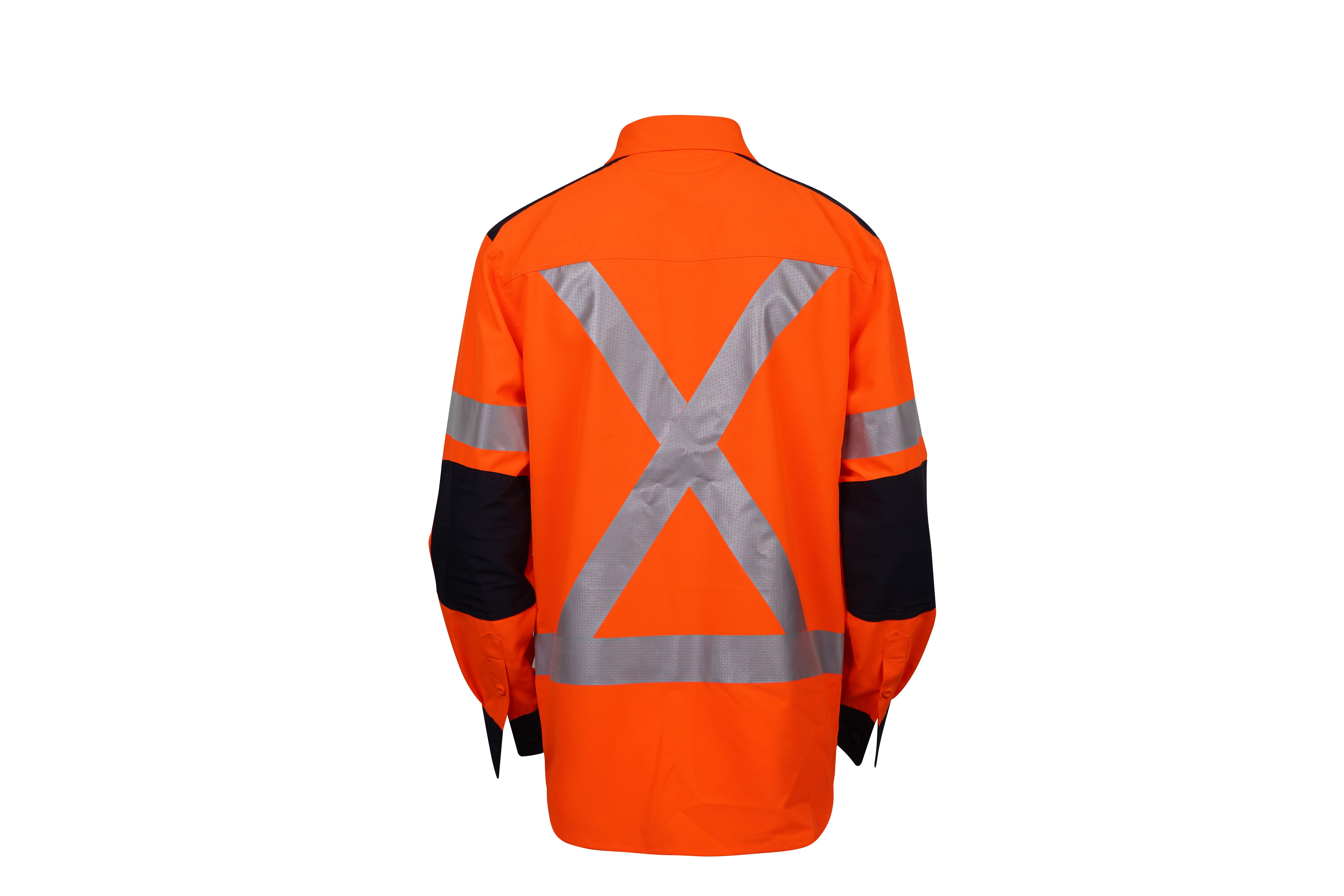
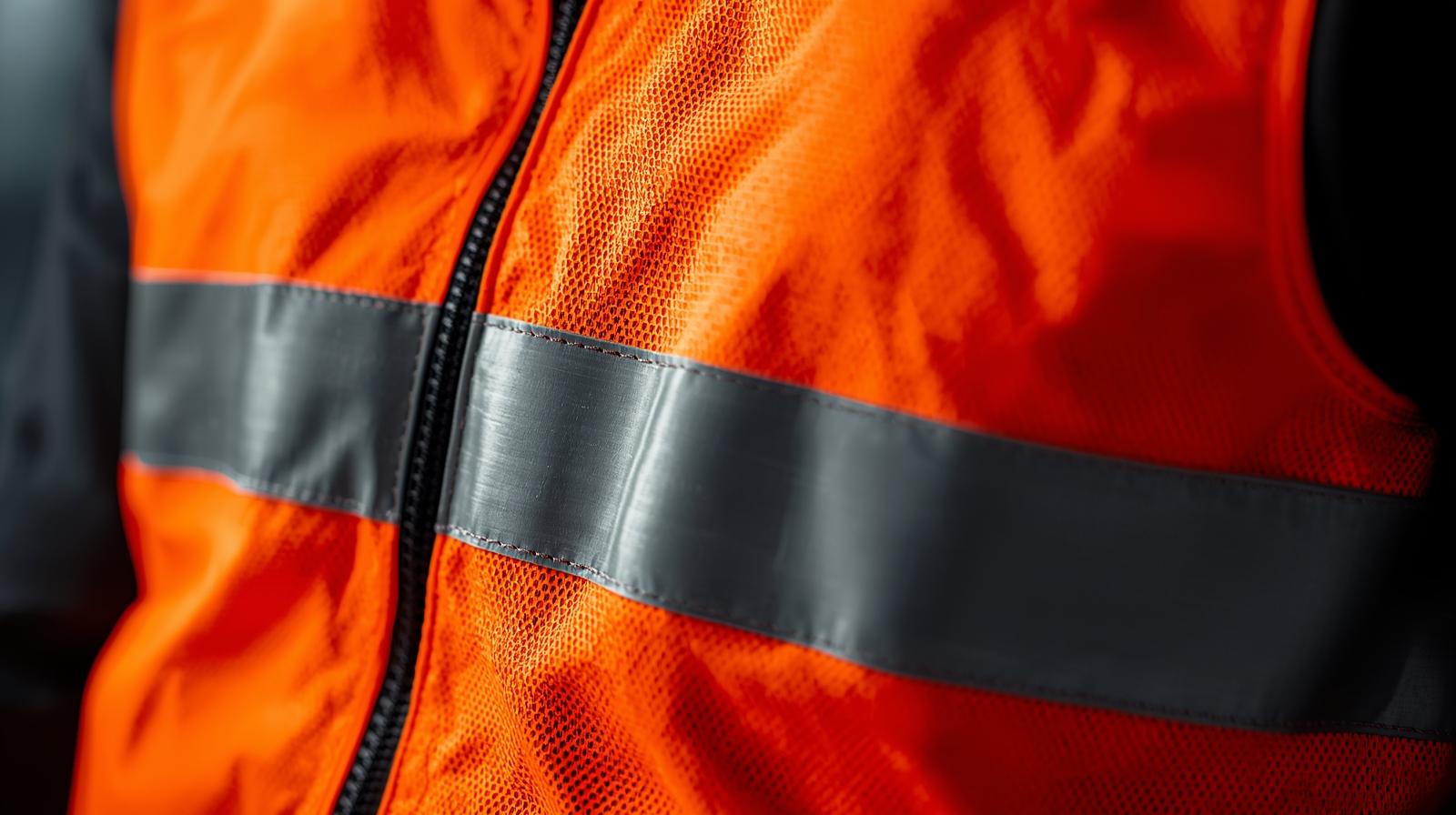
Reflective elements deserve the same scrutiny. Buyers often focus on garment color and overlook tape layout. Yet reflective visibility depends on where the tape sits on the body, how it wraps the torso and limbs, and whether the pattern remains visible when the wearer bends, lifts, or turns. A reliable manufacturer reflective work clothes program should be assessed in real posture, not only on a flat sample sheet.
For custom reflective workwear, small design choices can have outsized effects. Pocket placement, zipper type, cuff design, and ventilation openings may seem minor at the quotation stage, but they influence daily wearability. A practical buyer will ask whether the garment will be worn over base layers, whether it must fit over tools or radios, and whether the worksite demands high laundering frequency.
What separates a dependable supplier from a risky one
A strong OEM partner does more than accept an order and ship cartons. The better suppliers ask about work conditions, garment function, branding placement, and order consistency. They should be able to discuss construction details clearly and flag where a requested feature may affect safety visibility or comfort. If a supplier sounds too eager to say yes to everything, that is not always a good sign.
Consistency is especially important for multi-site companies. When one batch fits differently from the next, uniform programs become a source of complaints and administrative waste. Procurement teams should look for a reflective clothing supplier that can keep specifications stable across repeat production runs, even when the order mix changes.
Another useful test is how the supplier handles customization. A custom reflective workwear manufacturer should be able to separate decorative choices from functional ones. Good branding is useful, but not at the expense of safety layout, garment comfort, or service life. That balance is what makes OEM workwear worth buying in the first place.
Common mistakes buyers still make
One frequent mistake is over-ordering a single garment style for every department. It saves time on paper, but it usually creates wear issues in the field. Another is prioritizing low unit cost without examining how often the garments need replacement. Cheap workwear that degrades quickly becomes expensive fast.
Buyers also underestimate the importance of wearer feedback. Supervisors may focus on compliance, while end users care about heat buildup, restricted movement, or inconvenient closures. If the people wearing the garments dislike them, the program loses momentum. That is a practical warning worth repeating.
Buyer advice: how to move from sample to production
Start with a clear spec sheet. Define the working environment, visibility needs, branding requirements, and the minimum acceptable comfort level. Ask for samples and test them in the actual conditions the garment will face. If possible, involve both procurement and field supervisors in the review. Their concerns are usually different, and both matter.
Then think beyond the first order. A good OEM safety workwear program should support repeat purchasing, size replenishment, and stable appearance over time. That is where disciplined sourcing pays off. The cheapest sample is not always the most useful production partner.
FAQ: a few questions that come up often
Is OEM safety workwear only for large orders?
Not necessarily, but OEM programs usually make the most sense when the buyer wants branding, specification control, or repeat supply. Smaller programs can still benefit, though setup economics may vary.
Should branding be added before or after safety features are defined?
Safety function should come first. Branding should fit around the garment’s visibility and performance needs, not the other way around.
What is the safest way to choose a supplier?
Look for clear communication, sample consistency, and practical knowledge of reflective clothing construction. The best supplier is not the one with the flashiest catalog; it is the one that can reliably match your operational reality.
Next step for sourcing teams
If your team is evaluating OEM safety workwear, treat the purchase like a working part of your safety program, not just a uniform order. Build your requirements around the job, test the sample in use, and choose a partner that can support repeat production without drifting from the approved spec. That approach usually saves more money, time, and frustration than chasing the lowest initial quote.