
Industrial Polo Shirts Supplier: Why Everyday Workwear Often Fails Too Early
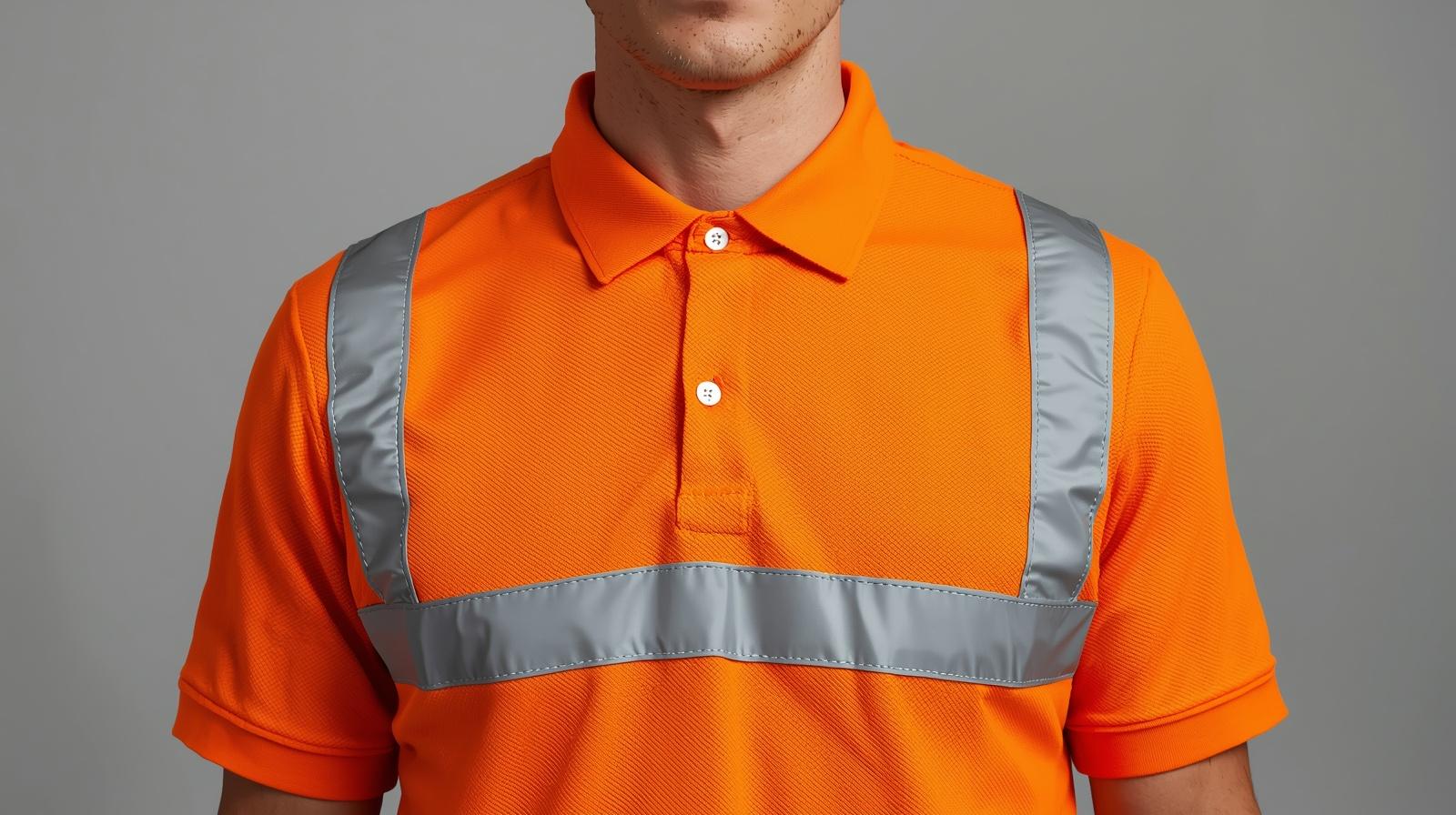
In many industries, polo shirts are chosen for their balance between comfort and professional appearance. However, after several weeks of use, common issues begin to surface—collars lose structure, fabrics fade unevenly, and garments shrink or twist after washing.
These problems are not accidental. They are the result of fabric selection, knitting structure, and finishing processes that are not designed for industrial use. AOKENEW addresses these challenges by developing industrial-grade fabrics, stable dyeing processes, and reinforced garment structures, ensuring that each piece performs reliably in daily working conditions. A true industrial polo shirts supplier must design products for repeated use—not occasional wear.
Fabric Engineering: The Foundation of Industrial Polo Shirts
Polyester vs. Cotton vs. Blended Systems
Industrial polo shirts are typically produced using three main fabric systems:
| Fabric Type | Typical Weight | Key Advantage | Limitation |
|---|---|---|---|
| 100% Cotton | 180–220 g/m² | Comfort, breathability | Shrinkage, color fading |
| Polyester | 150–200 g/m² | Durability, color retention | Lower softness |
| Polyester-Cotton Blend | 180–240 g/m² | Balanced performance | Slightly higher cost |
Polyester blends are widely used by a professional industrial polo shirts supplier because they provide a balance between durability and comfort.
Fabric Performance Parameters
Industrial applications require more than visual quality. Key measurable indicators include:
-
Color fastness: Grade 4–5 (ISO 105 standard)
-
Shrinkage rate: ≤3% after washing
-
Abrasion resistance: ≥15,000 rub cycles
-
Fabric stability: minimal twisting after washing
These parameters determine whether garments maintain shape and appearance over time.
Collar and Structure: Small Details, Major Impact
Collar Stability and Shape Retention
One of the most common complaints is collar deformation.
Professional industrial polo shirts use:
-
Ribbed knit collars with reinforced structure
-
Anti-deformation stitching
-
Higher-density yarn for shape retention
Without these elements, collars lose structure after 10–20 wash cycles, affecting overall appearance.
Stitching and Structural Reinforcement
Industrial polo shirts are subjected to constant movement and washing.
Typical reinforcement includes:
-
Double stitching at shoulder seams
-
Reinforced side seams
-
Stable hem construction
A professional industrial polo shirts supplier ensures structural durability without increasing garment weight excessively.
Application Matching: Different Industries, Different Requirements
Manufacturing and Industrial Workshops
Workers in industrial environments require:
-
Durable fabrics resistant to abrasion
-
Stable color retention under frequent washing
-
Moderate breathability for long working hours
Logistics and Warehouse Operations
In logistics settings, mobility and comfort are key.
Recommended features:
-
Lightweight fabric
-
Stretch-friendly structure
-
Quick-drying material
Corporate and Service Teams
For service-oriented roles, appearance becomes equally important.
Typical requirements include:
-
Clean and structured fit
-
Color consistency across batches
-
Long-term shape retention
A industrial polo shirts supplier must adapt product design based on actual usage scenarios rather than offering a one-size-fits-all solution.
Manufacturing Comparison: Standard Polo vs Industrial Polo Shirts
| Evaluation Aspect | Standard Polo Shirt | AOKENEW Industrial Polo Shirt |
|---|---|---|
| Fabric durability | Basic | Industrial-grade |
| Color retention | Moderate | High stability |
| Collar structure | Weak | Reinforced |
| Washing durability | 10–20 cycles | 30–50 cycles |
| Shape retention | Variable | Stable |
| Batch consistency | Inconsistent | Controlled |
This comparison highlights how manufacturing standards directly affect long-term performance.
MOQ, Lead Time, and Customization
MOQ Planning
Typical MOQ for industrial polo shirts:
-
500–1000 pcs per design
This ensures consistent fabric sourcing and dyeing quality.
Lead Time Structure
Typical production timeline:
-
Sampling: 5–7 days
-
Fabric preparation: 7–12 days
-
Bulk production: 20–30 days
Fabric dyeing is often the most critical step affecting lead time.
Customization Options
Industrial polo shirts can be customized through:
-
Logo embroidery or printing
-
Color matching for brand identity
-
Fabric selection based on working environment
A industrial polo shirts supplier integrates customization without affecting durability or performance.
Frequently Asked Questions
Q: Why do some polo shirts shrink or twist after washing?
A: This is usually caused by unstable fabric structure or improper finishing processes.
Q: Is 100% cotton suitable for industrial use?
A: Cotton offers comfort but may lack durability and shape retention compared to blended fabrics.
Q: How can buyers ensure consistent quality in bulk orders?
A: Verify fabric parameters, washing performance, and sample testing before production.
Closing Perspective
Industrial polo shirts are used daily, and their performance directly affects comfort, appearance, and brand image. Choosing a reliable industrial polo shirts supplier means selecting garments designed for durability, stability, and consistent production quality.
AOKENEW develops industrial polo shirts using controlled fabric engineering, reinforced structures, and stable production systems to ensure long-term performance. You can explore our polo shirt product range and manufacturing capabilities on our homepage: https://www.aokenew.com.
If you have specific requirements—such as custom fabric selection, brand color matching, or bulk production planning—you are welcome to contact our team through our Contact Us page: https://www.aokenew.com/contact-us.