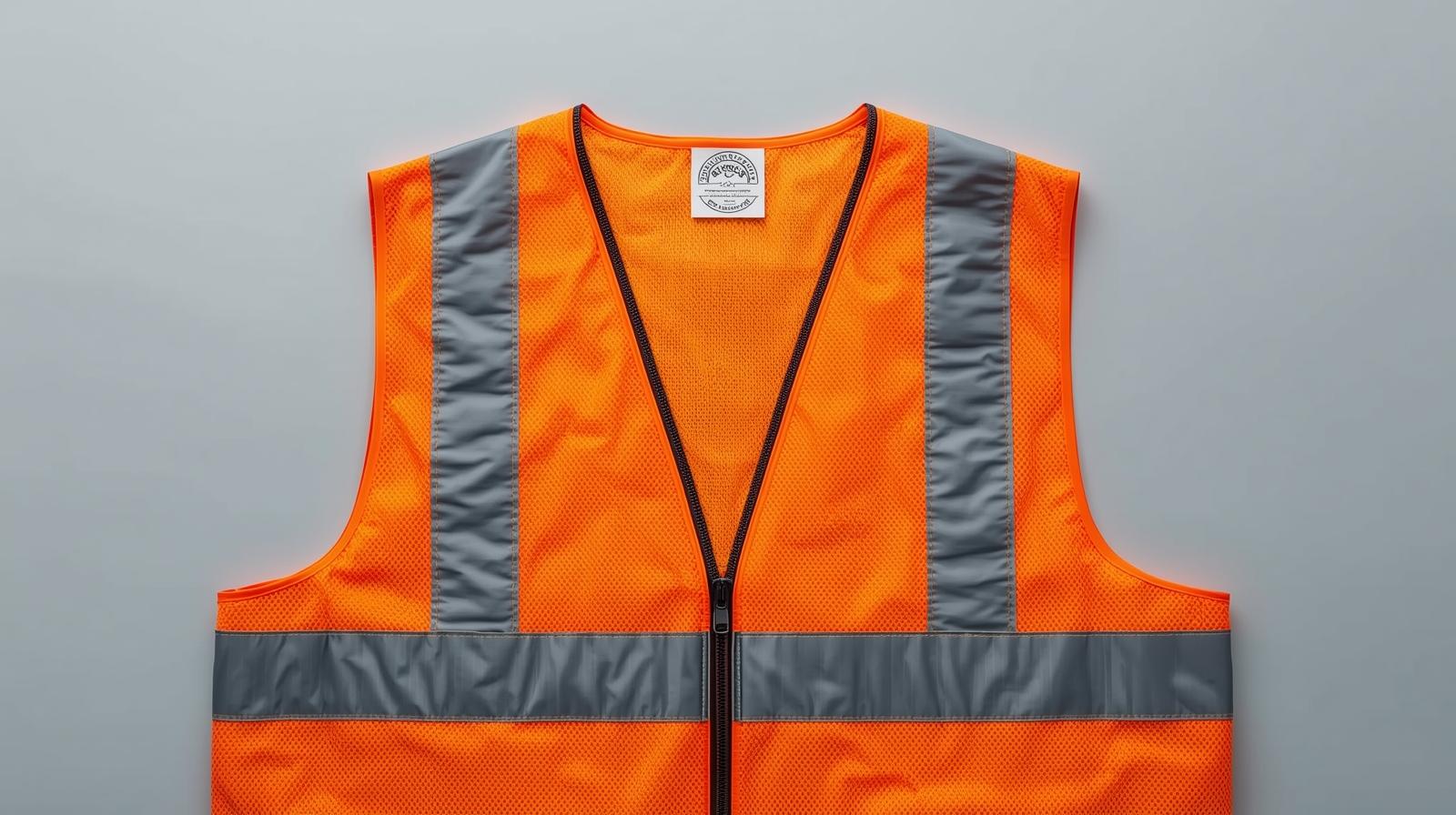
Many companies initially order standard workwear vests, only to discover that generic designs fail to support real operational needs. Tools do not fit properly into pockets, reflective elements interfere with company branding, or garments lack the durability required for daily tasks.
These challenges are not simply aesthetic—they directly affect worker efficiency and safety. AOKENEW approaches custom workwear vests by aligning garment design with operational tasks, ensuring that pocket structure, reflective layout, and fabric durability support real workflows rather than limiting them.
Customization as a Functional Design Strategy
Customization Is Not Just Branding
For many organizations, customization begins with logos or colors. However, effective customization extends far beyond appearance.
Functional customization may include:
-
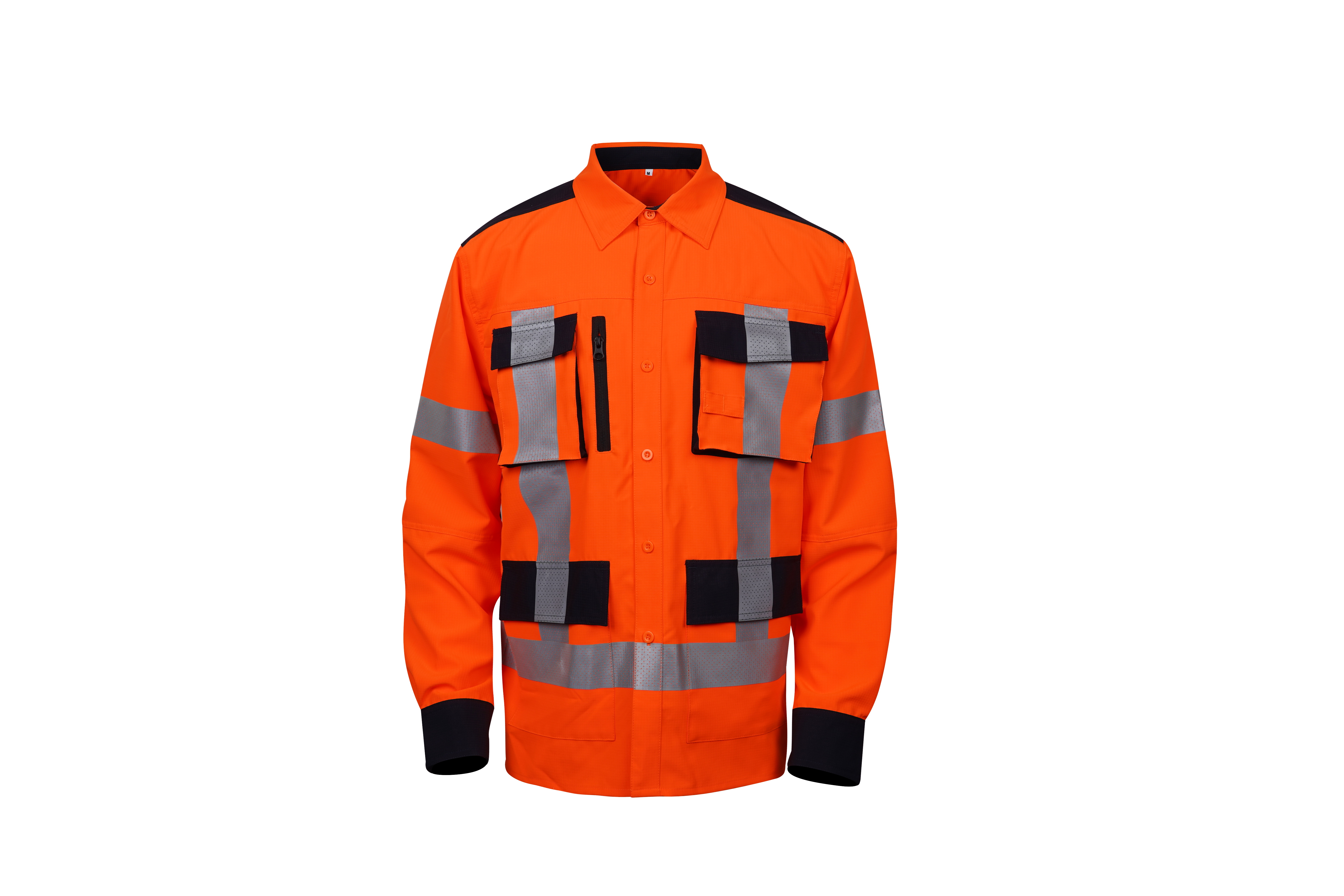
Task-specific pocket configurations
-
Reflective layouts adapted to working environments
-
Fabric weight adjustments based on climate
When these elements are engineered correctly, custom workwear vests become tools that improve productivity rather than simply uniforms.
Pocket Engineering: The Most Requested Custom Feature
Tool and Equipment Compatibility
Workers frequently carry items such as:
-
Radios
-
Measuring tools
-
Mobile devices
-
Identification equipment
Standard vest pockets often fail to support these items. Custom pocket engineering addresses this issue through reinforced stitching, layered fabrics, and ergonomic placement.
Typical reinforced pocket specifications include:
| Parameter | Typical Range |
|---|---|
| Pocket load capacity | 2–5 kg |
| Reinforcement stitching | Bar-tack or double stitch |
| Pocket depth | 15–22 cm |
| Pocket fabric weight | 180–300 g/m² |
A custom workwear vest system ensures that pockets support real tools without tearing or deforming.
Fabric Selection in Custom Workwear Vests
Balancing Comfort and Durability
Custom workwear vests are typically produced using polyester or polyester-blend fabrics due to their durability and color stability.
Common specifications include:
| Fabric Type | Typical Weight | Advantages |
|---|---|---|
| Polyester | 120–180 g/m² | Lightweight and breathable |
| Polyester-cotton blend | 180–240 g/m² | Balanced durability and comfort |
| Heavy polyester | 240–300 g/m² | Higher abrasion resistance |
Fabric selection determines how well custom workwear vests maintain shape and color after repeated washing.
Reflective Integration and Safety Compliance
Visibility Without Disrupting Custom Branding
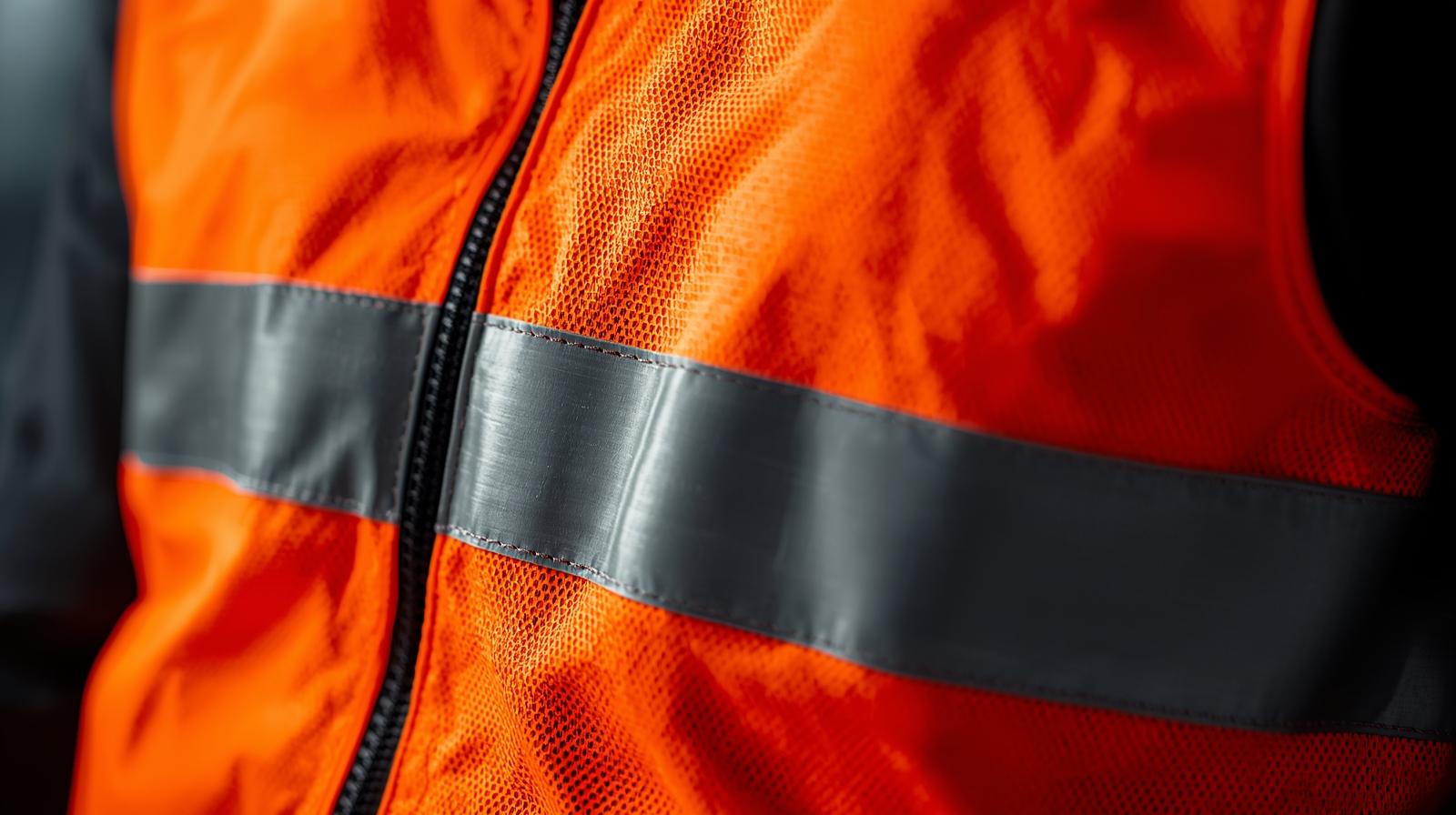
Reflective elements are often required for safety while companies still need clear brand identity. Custom designs must balance both factors.
Common reflective configurations include:
-
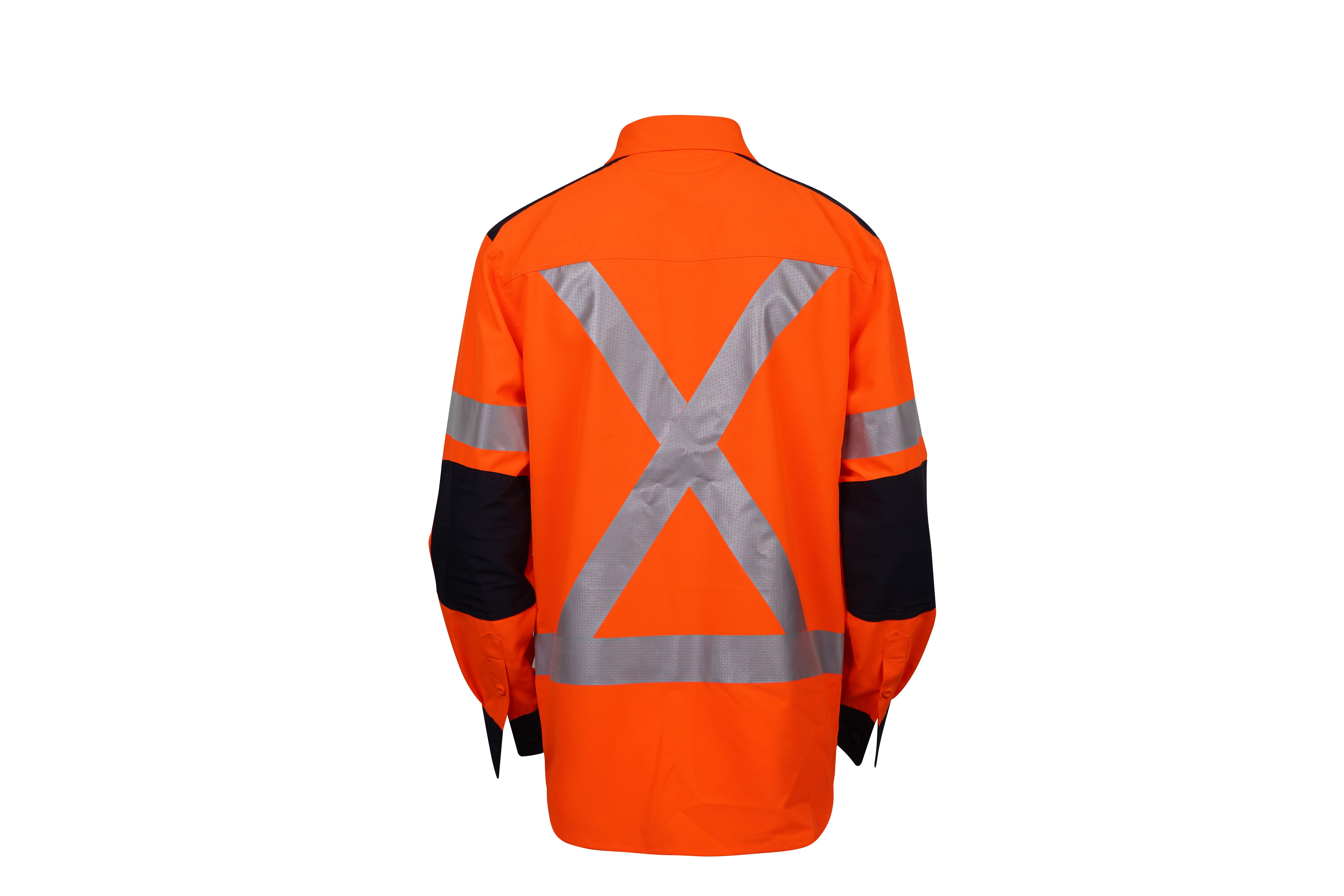
360° reflective torso bands
-
Shoulder reflective strips for upper-body visibility
-
Split reflective lines to maintain logo space
International standards such as ISO 20471 define minimum reflective area and placement rules for high-visibility garments.
Reference: https://www.iso.org/standard/50325.html
A custom workwear vest design must ensure customization never compromises safety visibility.
Industry-Specific Custom Workwear Vest Solutions
Construction and Infrastructure Teams
Key customization requirements:
-
Heavy-duty fabrics
-
High-visibility reflective layouts
-
Large tool pockets
Logistics and Warehouse Workers
Typical customization features:
-
Lightweight breathable fabrics
-
Moderate reflective coverage
-
Multiple compact pockets for scanners or tools
Event and Service Personnel
For service teams, customization focuses on professional appearance and identification.
Typical design adjustments include:
-
Clean pocket layouts
-
Subtle reflective accents
-
Clear logo placement
A custom workwear vest solution adapts to how teams actually work.
Production Comparison: Standard Vest vs Custom Workwear Vest
| Evaluation Aspect | Standard Workwear Vest | Custom Workwear Vest (AOKENEW) |
|---|---|---|
| Pocket configuration | Fixed design | Task-specific |
| Branding options | Limited | Flexible |
| Reflective layout | Generic | Environment-matched |
| Fabric selection | Predefined | Adjustable |
| Workflow compatibility | Moderate | Optimized |
| Long-term usability | Variable | More reliable |
This comparison demonstrates how customization improves operational efficiency rather than just appearance.
MOQ, Lead Time, and Customization Planning
MOQ Considerations
Typical MOQ for custom workwear vests:
-
500–1000 units per design
This allows stable material sourcing and consistent reflective components.
Lead Time Overview
Typical production timeline:
-
Design confirmation: 3–5 days
-
Sampling: 5–8 days
-
Bulk production: 20–30 days
Late design changes—especially pocket structure or reflective placement—can extend lead time.
Customization Best Practices
Effective customization requires early planning of:
-
Logo placement
-
Pocket structure
-
Reflective layout
-
Fabric selection
A custom workwear vest manufacturer integrates these elements during the design phase to ensure production stability.
Frequently Asked Questions
Q: Are custom workwear vests significantly more expensive than standard vests?
A: Not necessarily. Most customization involves structural adjustments rather than entirely new materials.
Q: Can reflective elements be customized without affecting safety?
A: Yes, as long as reflective placement still meets visibility standards such as ISO 20471.
Q: How can buyers ensure customization works before bulk production?
A: Sampling and wear testing allow teams to confirm pocket layout, comfort, and visibility before large orders.
Closing Perspective
Well-designed custom workwear vests do more than display company logos—they improve workflow, safety, and team coordination. When customization aligns with real operational needs, workwear becomes an effective tool rather than just a uniform.
AOKENEW develops custom workwear vests through practical design engineering, durable materials, and controlled manufacturing processes. You can explore our workwear vest categories and customization capabilities on our homepage: https://www.aokenew.com.
If you have specific requirements—such as custom pocket structures, reflective configurations, or large-scale production planning—you are welcome to contact our team through our Contact Us page: https://www.aokenew.com/contact-us.