
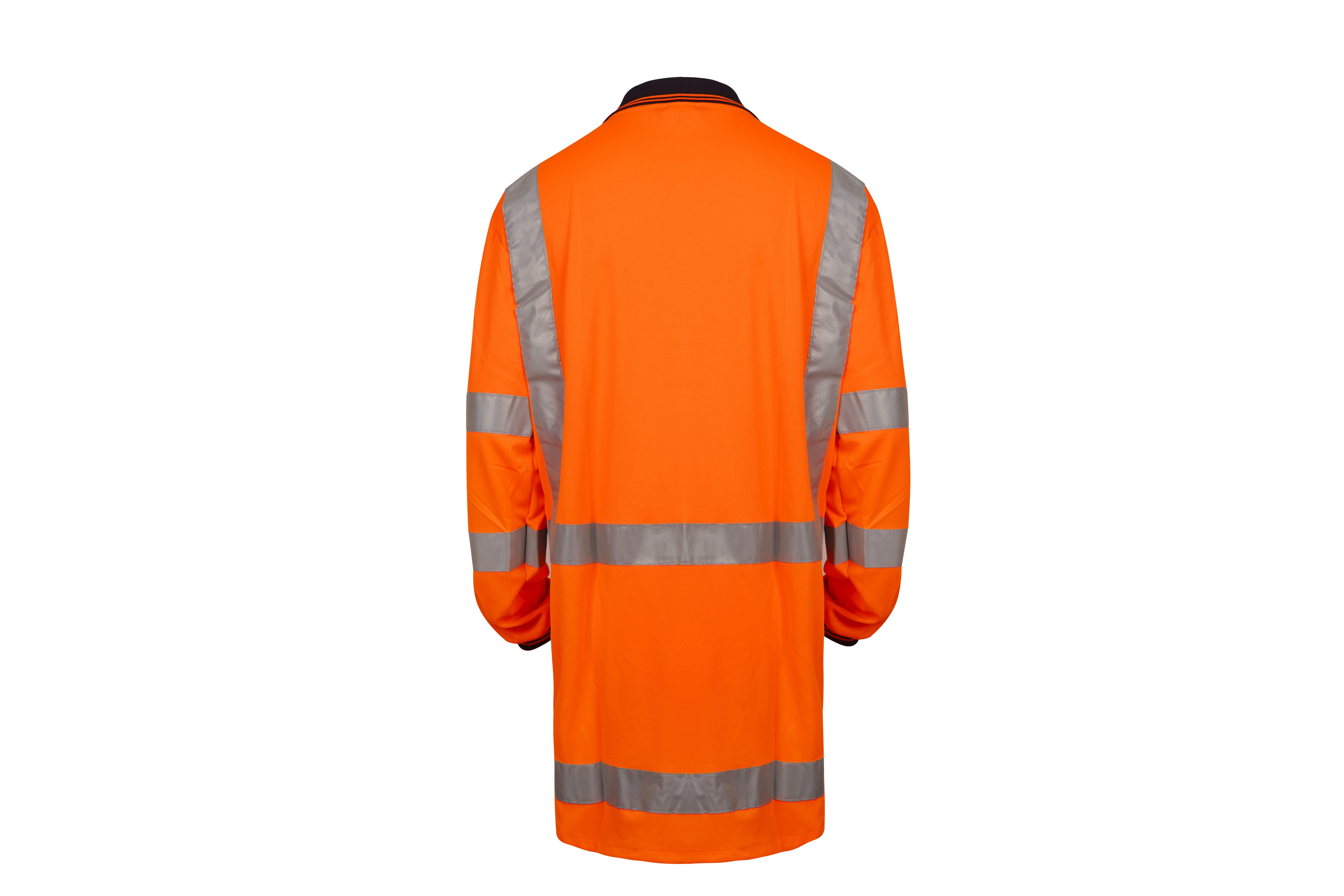
Bulk Workwear Production in Industrial Uniform Programs
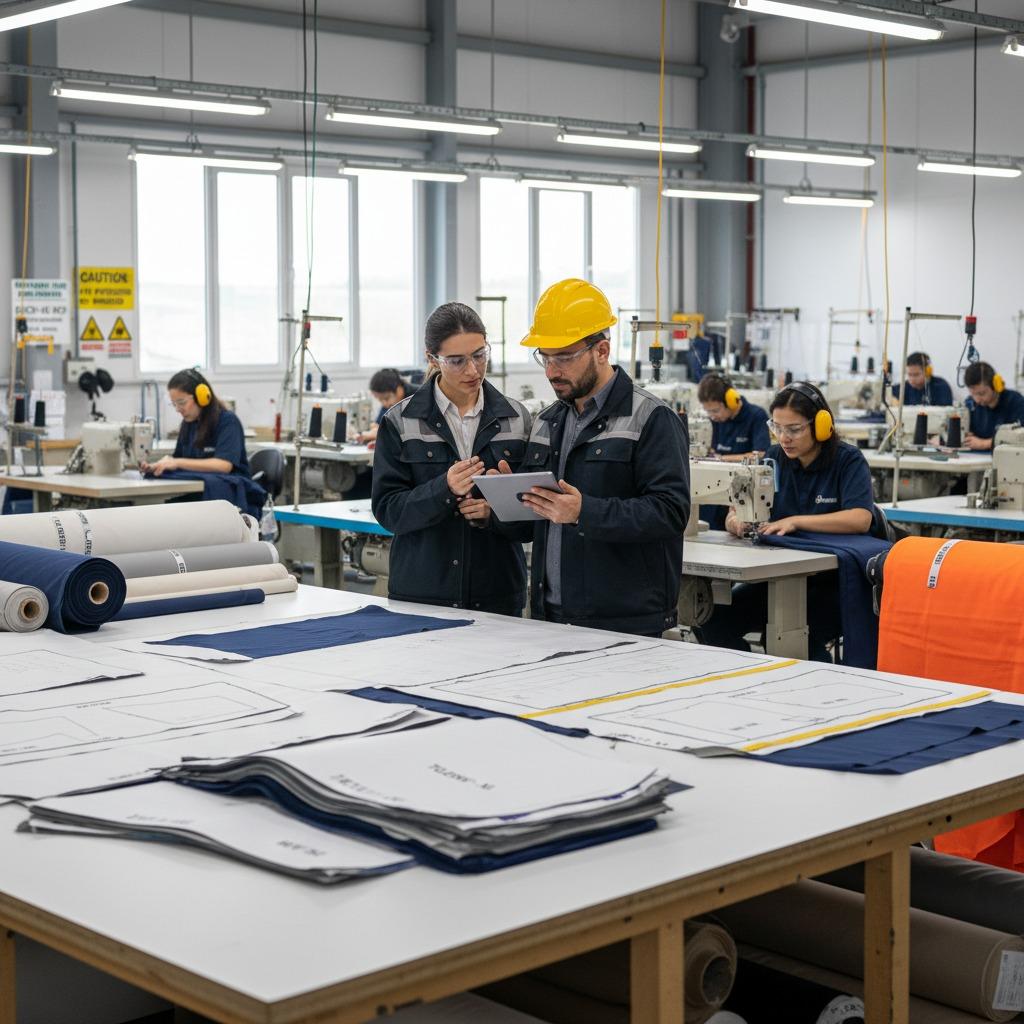
In industrial sourcing, producing workwear in bulk is rarely just a question of capacity. Once order volumes increase, small inconsistencies in fabric behavior, garment structure, or process execution can quickly scale into program-level problems. For this reason, bulk workwear production is best understood as a system challenge rather than a simple output task.
The true complexity appears only when garments move from samples to thousands of units.
Why Bulk Production Changes the Nature of Workwear Manufacturing
Scale Amplifies Every Decision
In small runs, minor deviations can often be corrected manually. In bulk production, the same deviations multiply across batches, sizes, and delivery schedules. Fabric shrinkage, stitch tension, and grading accuracy all become risk factors once volumes scale.
A professional workwear manufacturer plans bulk production by assuming that every decision will repeat hundreds or thousands of times.
Consistency Becomes the Primary Performance Metric
At scale, buyers are less concerned with isolated garment quality and more focused on whether every delivery matches the previous one. Consistency in fit, feel, and performance directly affects workforce acceptance and replacement planning.
Product-Level Advantages in Bulk Workwear Production
Fabric Selection for Large-Volume Stability
Not all fabrics behave predictably at scale. Materials used in bulk workwear production must maintain performance across repeated dyeing, finishing, and industrial laundering.
Manufacturers therefore prioritize fabrics that offer:
-
Stable shrinkage rates
-
Consistent color yield across batches
-
Proven durability under frequent washing
These criteria often outweigh marginal differences in unit cost.
Structural Design That Scales
Garment structures that work in small quantities may fail in bulk if they rely on manual adjustments or inconsistent workmanship. Professional bulk production favors standardized construction methods with clearly defined reinforcement zones.
This approach ensures that durability is built into the process rather than corrected afterward.
Scenario-Based Considerations in Large-Scale Workwear Orders
Logistics and Warehousing Programs
Bulk orders for logistics environments emphasize lightweight durability and flexibility. Garments must withstand friction from handling equipment while remaining comfortable over long shifts.
Key advantages at scale include:
-
Reinforced stress points that do not restrict movement
-
Fabric stability after frequent industrial washing
-
Consistent sizing across multiple distribution centers
Construction and Infrastructure Projects
In construction programs, bulk workwear must balance heavy-duty protection with repeatability. Variations in reinforcement placement or fabric weight can lead to uneven wear across teams.
Bulk production advantages here include:
-
Uniform abrasion resistance across batches
-
Predictable performance in high-stress zones
-
Layer-compatible designs for seasonal use
Outdoor and Utility Operations
Large-scale outdoor programs require garments that integrate visibility, weather resistance, and durability without compromising batch consistency.
Manufacturing focus shifts toward:
-
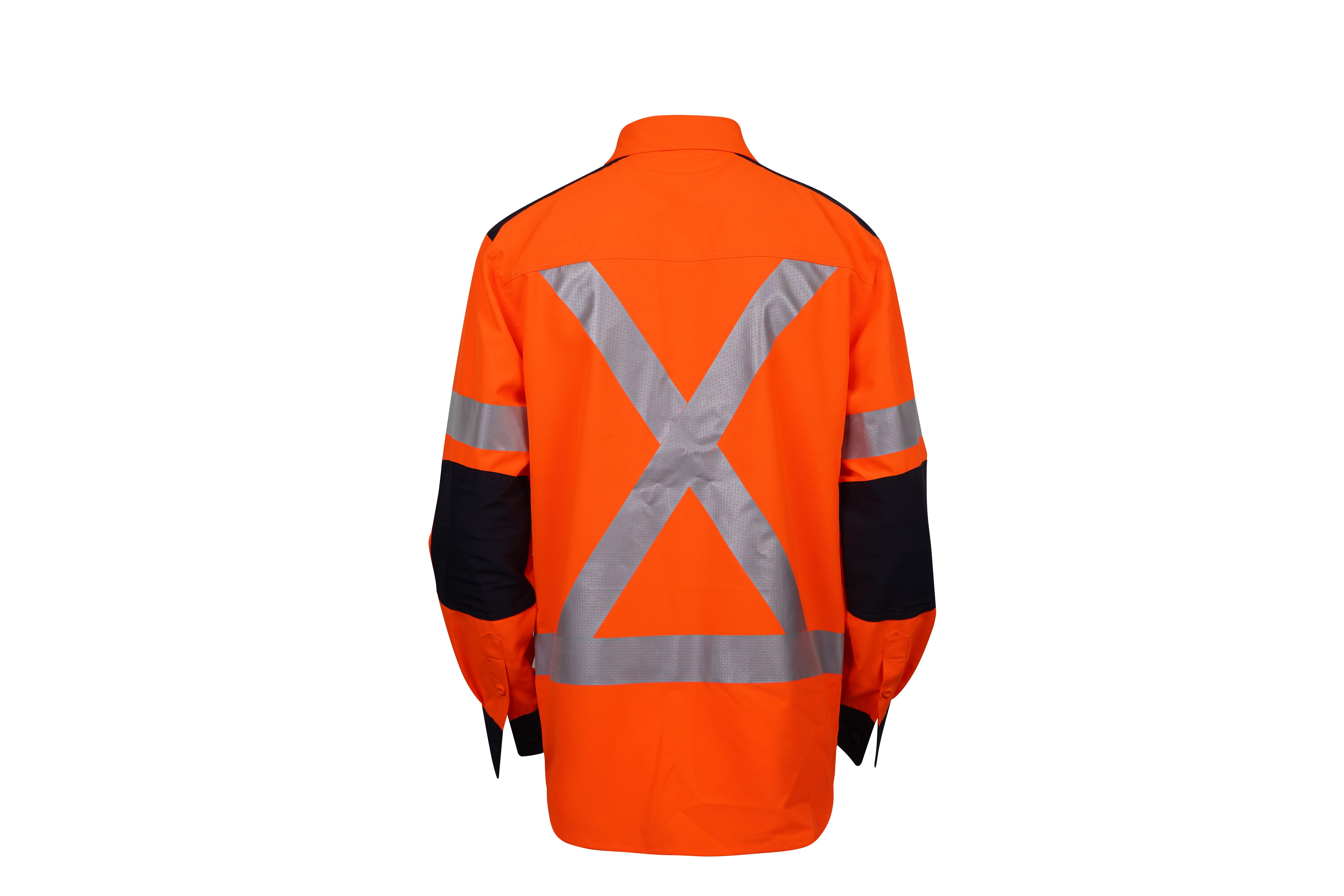
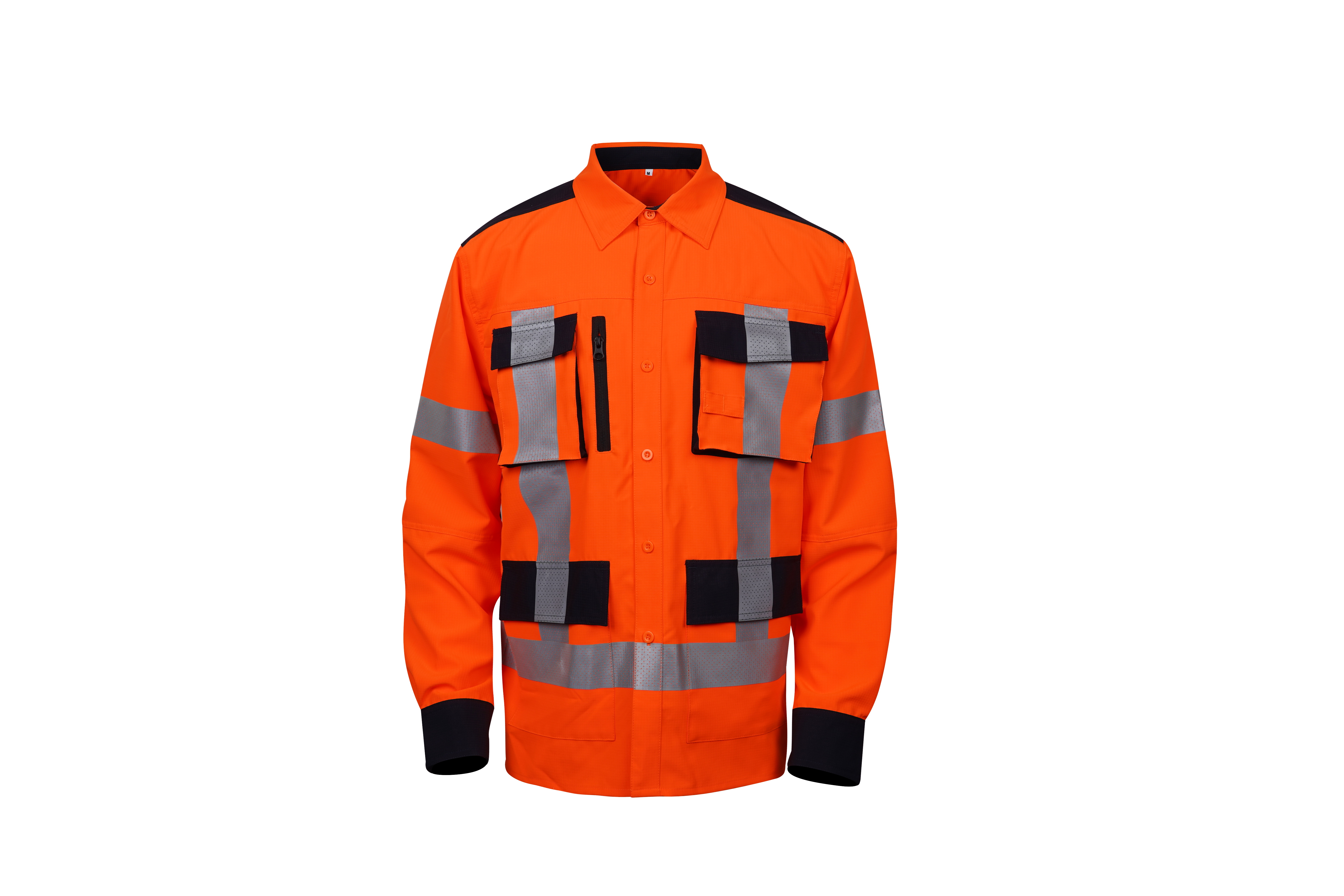
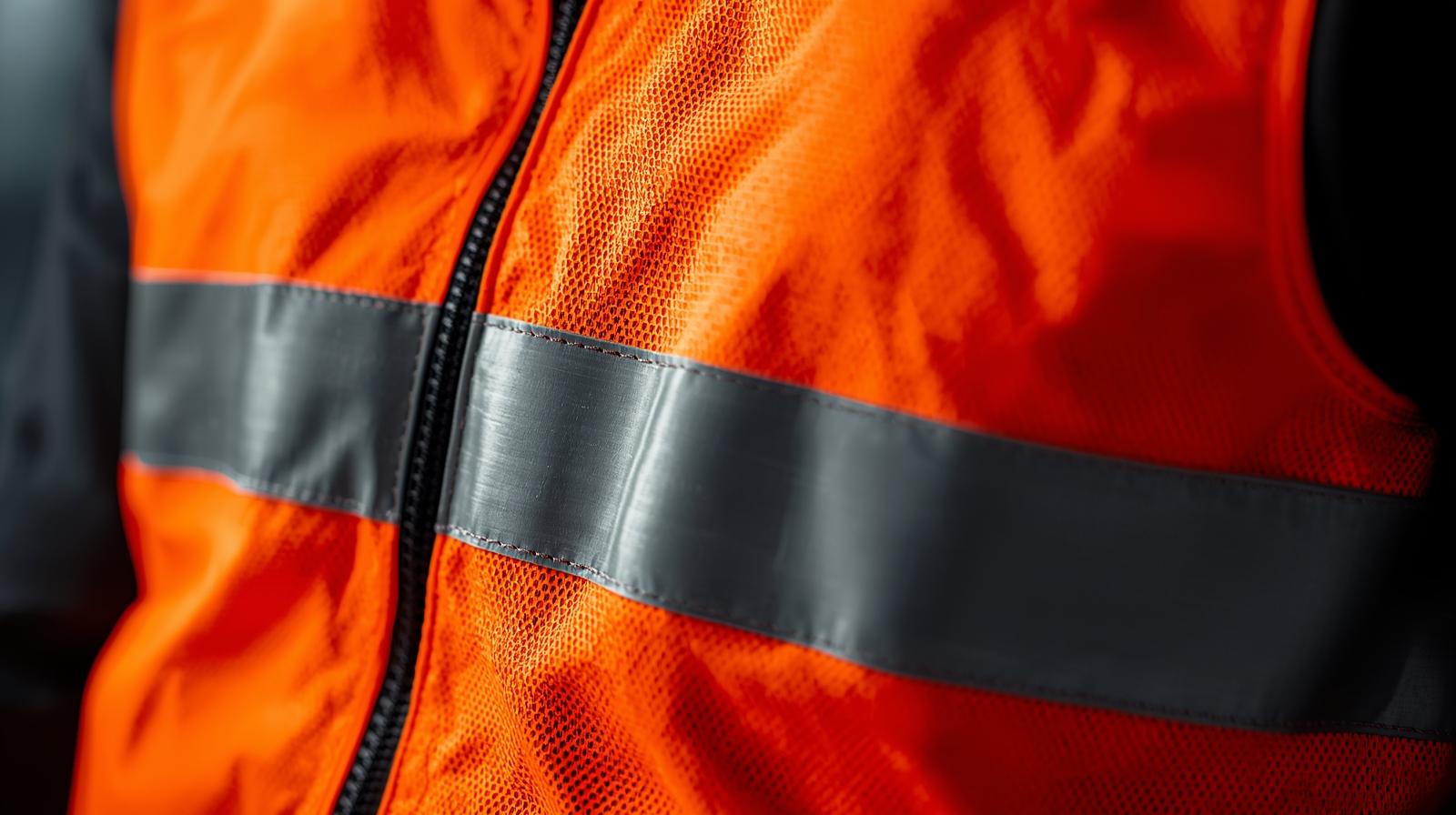
Stable attachment of reflective components
-
Weather-resistant outer layers compatible with bulk laundering
-
Repeatable construction across seasonal reorders
Manufacturing Control in Bulk Workwear Production
Process Discipline Over End Inspection
In bulk workwear production, quality is achieved through controlled processes rather than final inspection alone. Fabric allocation, cutting tolerances, and sewing sequences are standardized to minimize variation.
ISO 9001 quality management principles reinforce this approach by emphasizing repeatability and process documentation over corrective action.
Size Grading and Workforce Fit
Accurate size grading becomes critical at scale. Small grading errors can affect hundreds of wearers, leading to dissatisfaction and replacement costs. Professional manufacturers validate grading templates before bulk cutting begins.
Bulk Production Models: Market Practice vs. AOKENEW
| Evaluation Aspect | Typical Market Practice | AOKENEW Bulk Production Model |
|---|---|---|
| Production planning | Order-by-order | Program-based |
| Fabric sourcing | Short-term availability | Long-term repeatability |
| Construction method | Operator-dependent | Standardized processes |
| Batch consistency | Variable | Controlled |
| Scenario adaptability | Limited | Integrated by use case |
| Long-term cost stability | Unpredictable | More stable |
This distinction explains why experienced buyers evaluate bulk suppliers on execution discipline rather than quoted price alone.
MOQ, Lead Time, and Customization in Bulk Orders
MOQ as a Planning Tool
MOQ in bulk production is structured to align fabric procurement, cutting efficiency, and production flow. Orders below optimal thresholds often increase per-unit cost or disrupt scheduling.
Lead Time Predictability
Lead time is typically divided into sampling confirmation, material preparation, production, and final assembly. Late design changes—especially structural ones—remain the most common cause of delay in bulk programs.
Customization at Scale
Customization such as logos, trims, or reflective layouts must be locked early to avoid inconsistency. In bulk workwear production, customization is treated as a fixed parameter, not a flexible adjustment.
Frequently Asked Questions
Why is bulk workwear production more complex than small orders?
Because inconsistencies scale rapidly, affecting cost, delivery, and workforce acceptance.
Can bulk production still support customization?
Yes, when customization details are finalized during sampling and integrated into standardized processes.
What should buyers confirm before approving bulk production?
Fabric behavior, construction standards, size grading, and customization details should all be locked before cutting begins.
Closing Perspective
Effective bulk workwear production is about maintaining control as volumes increase. When materials, garment structure, and manufacturing processes are aligned from the start, large-scale uniform programs become more predictable in both performance and cost.
AOKENEW supports bulk workwear programs through disciplined production workflows, scenario-aware product design, and stable batch control across woven workwear, jackets, vests, and reflective apparel. An overview of our manufacturing capabilities and product categories is available on our homepage: https://www.aokenew.com.
If you have related requirements or questions—such as scaling an existing uniform program, aligning MOQ with rollout plans, or managing lead times across multiple deliveries—our team can provide practical input based on real manufacturing experience. You are welcome to reach out directly through our Contact Us page: https://www.aokenew.com/contact-us.