


High Visibility Safety Vest vs. High-Visibility Work Shirt: Which One Fits the Job?
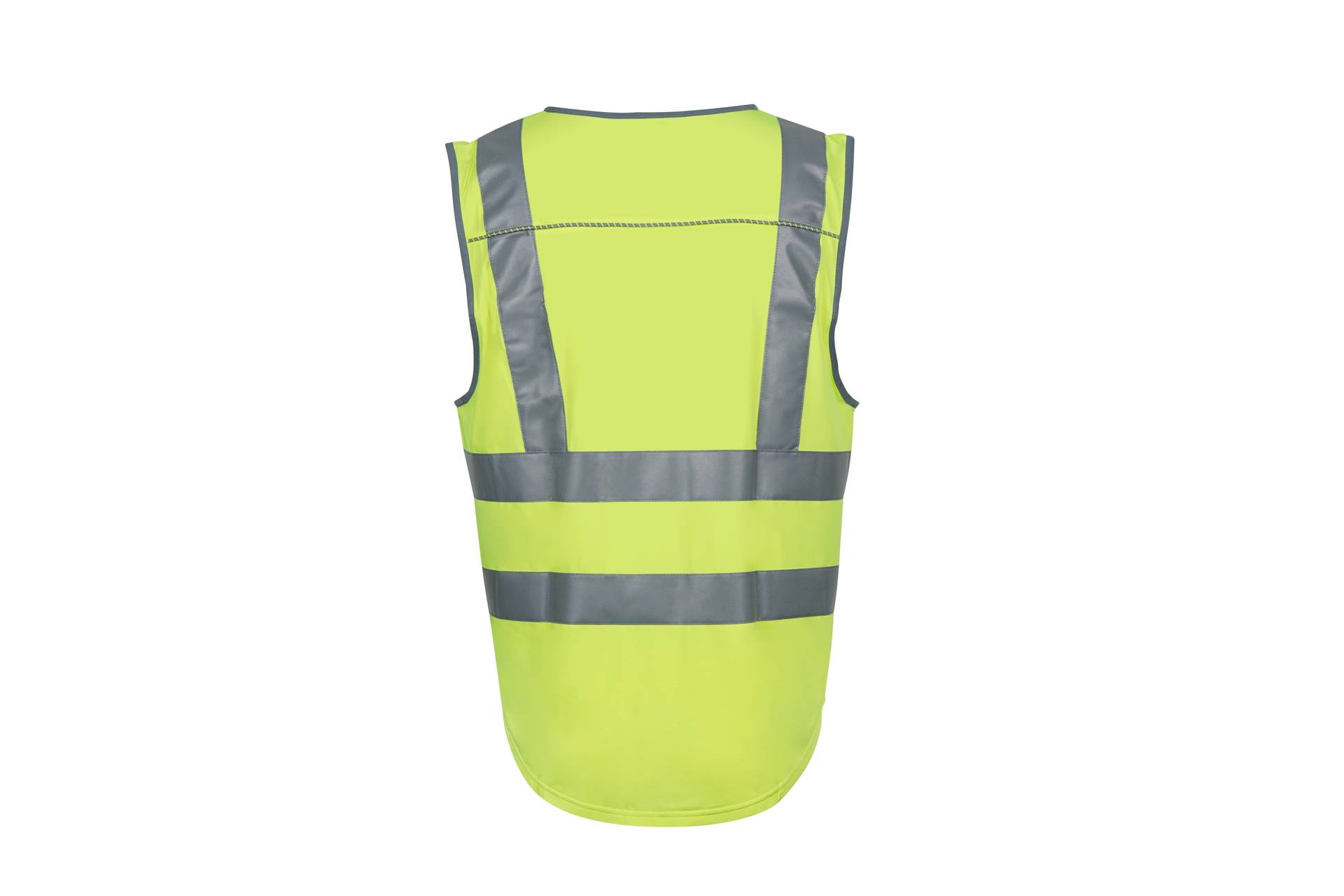
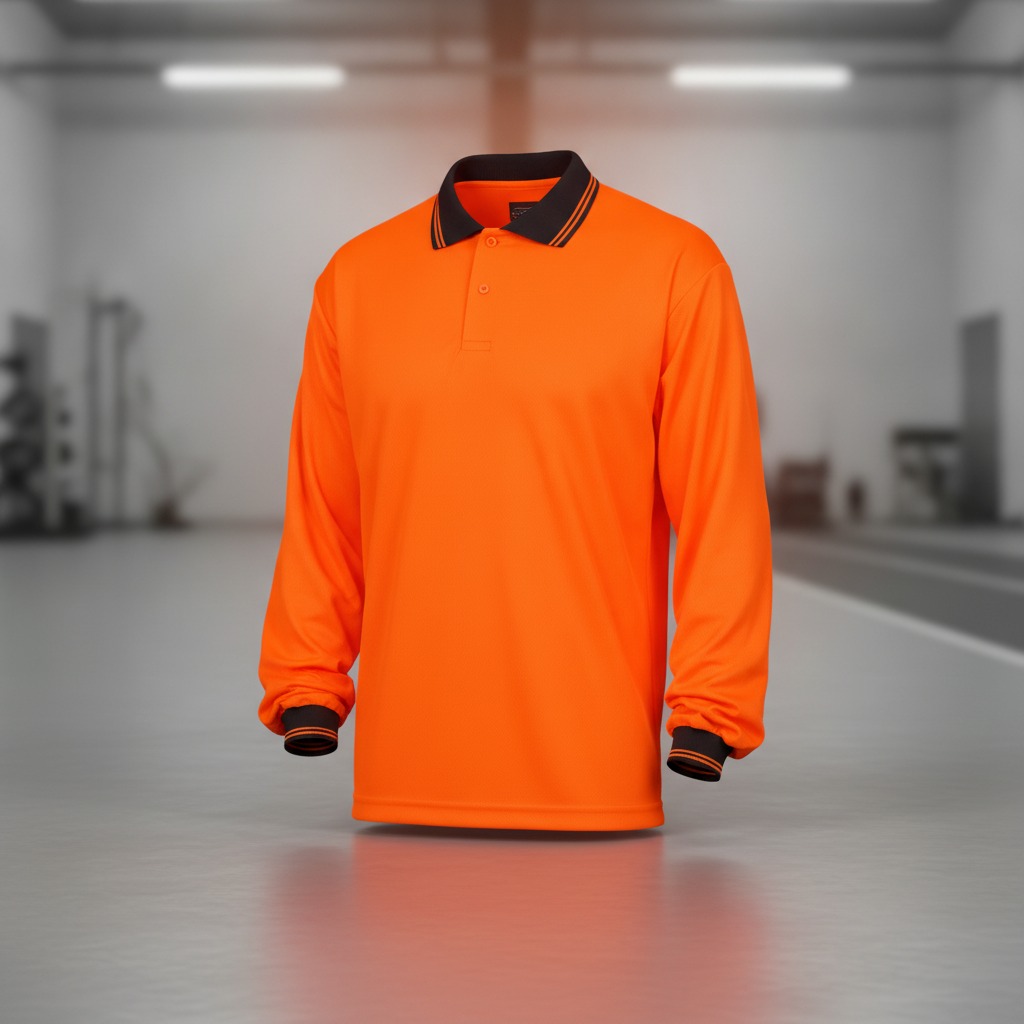
A High Visibility Safety Vest is often the first item buyers think of when they need to improve worker visibility, but the right choice depends on how the garment will be worn and what kind of movement the team needs on site. In many industrial and logistics settings, a vest solves the visibility problem quickly; in other cases, a long-sleeve hi-vis top offers better coverage, a more uniform look, and a garment that stays in place during daily work. The product shown here appears to be a bright fluorescent orange long-sleeve work shirt or polo-style safety top, so it sits in the same visibility category as a vest while serving a different wearing need.
Product Overview
This garment is built around a simple goal: help people stand out in busy work environments. The visible body color is fluorescent orange, which is widely used for daytime conspicuity in industrial, roadside, warehouse, and maintenance roles. Unlike a loose vest layered over street clothing, this style covers the torso and arms in one piece. That can be useful for uniform programs that want a consistent appearance across crews.
From the visible details, the shirt has a straight-cut body, long sleeves, and a collared neckline. Black trim at the collar and cuffs creates contrast and gives the garment a more structured workwear look. No pockets, zippers, logos, or reflective bands are visible on the shown side, so the garment should be evaluated as a visible work top rather than assumed to be a certified Reflective Safety Vest.
Vest or Long-Sleeve Hi-Vis Top: Key Differences
Coverage and wearability
A vest is lightweight and easy to put on over any outfit. It is practical when workers need fast on-off use or when uniforms vary by department. A long-sleeve hi-vis shirt, by contrast, provides full upper-body coverage and may be better for teams that want one garment to handle visibility and uniform presentation at the same time.
Visibility profile
Vests often rely on fluorescent color plus reflective elements. The garment shown here appears to emphasize bright color rather than visible reflective tape. That makes it suitable for visibility-focused workwear, but buyers should not treat it as a certified reflective garment unless documentation confirms that specification.
Comfort in active work
For warehouse teams, site supervisors, and maintenance crews, a shirt-style garment can feel more stable during bending, lifting, and repeated movement. A vest may be quicker to issue in large quantities, while a long-sleeve top may better support day-to-day wear in standard uniforms.
Materials and Finish Options
The visible fabric appears lightweight, matte, and knit-like or mesh-like, which suggests breathability and easier wear in active environments. Exact fiber content is not visible, so buyers should confirm whether the production uses polyester knit, performance workwear fabric, or another blend. For similar products, common finish options may include smooth knit surfaces, breathable mesh constructions, and contrast trim at cuffs or collars.
Because the product is shown from the back only, hidden details such as closures, pocket layout, and reinforced stitching cannot be verified here. Those points matter when comparing a basic visibility shirt with a vest intended for accessory storage.
Manufacturing Process and Construction
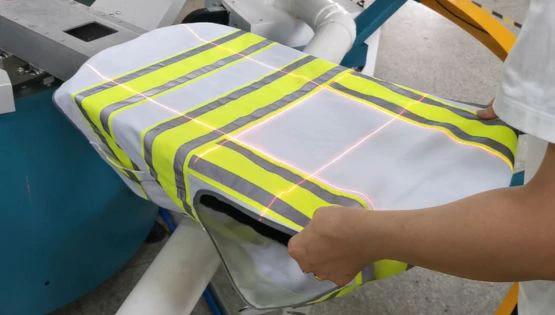
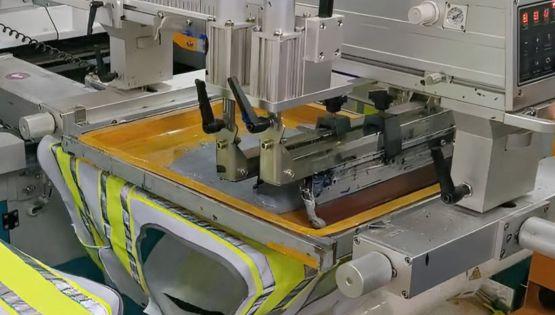
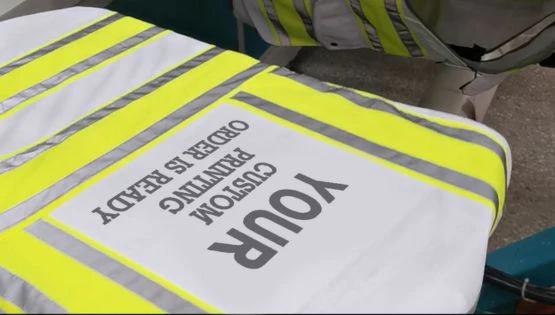
This type of item is typically made through cut-and-sew garment production. Panels are cut to shape, then assembled with stitched seams to form the torso, sleeves, and collar. In a workwear program, manufacturing may also include logo application, size labeling, and color matching across repeated orders. For buyers placing a Wholesale High Visibility Safety Vest order or a related uniform program, consistent stitching, trim alignment, and color uniformity are important review points.
Typical Application Scenarios
High-visibility garments like this are commonly used in industrial yards, roadway support crews, warehouse teams, logistics operations, and general maintenance work. A vest is often chosen for temporary coverage or visitor use. A long-sleeve top is often preferred for daily staff uniforms, especially where teams need a more polished look and all-day wearability.
Quality Control and Buyer Decision Factors
When comparing a vest to this style of hi-vis top, buyers usually look at visibility color, fabric weight, breathability, seam quality, and whether the garment matches site requirements. If reflective performance is required, request clear documentation before purchase. If the goal is identification and daytime conspicuity, the fluorescent orange body and contrast trim may be enough depending on the work environment and internal safety policy.
For procurement teams, the practical questions are straightforward: Will workers wear it over their clothing or as their primary top? Do they need a quick-issue vest, or a uniform garment with sleeves? Is the priority visibility, comfort, or brand presentation?
Customization Guidance
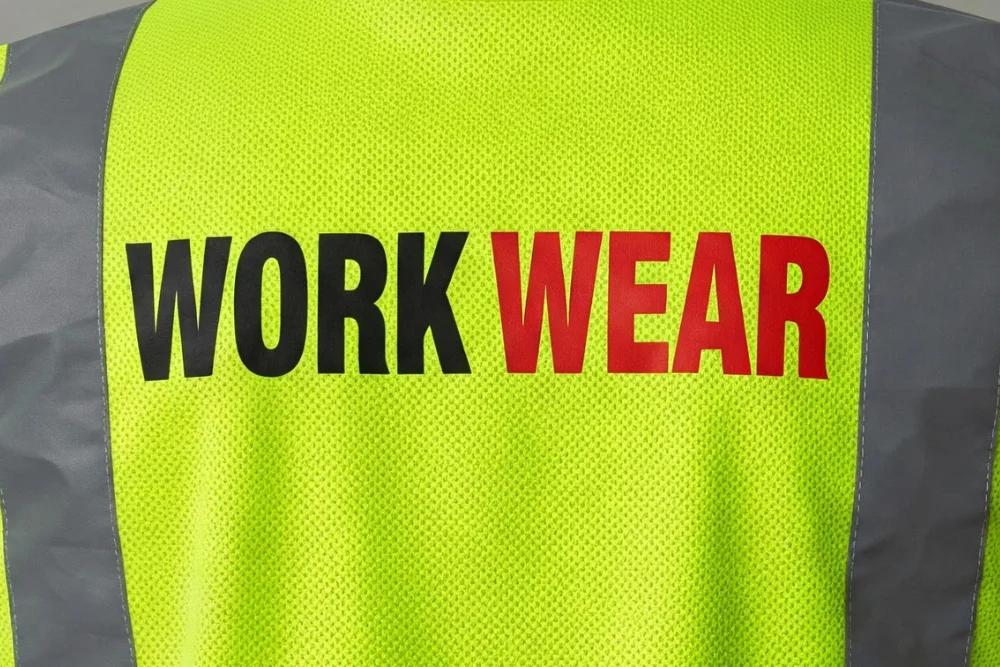
For uniform programs, this style can usually be adapted with size grading, color selection, collar and cuff trim changes, and logo placement. Buyers may also request fabric adjustments for breathability or durability, depending on the intended shift length and work temperature. If you are comparing it with a vest program, consider whether the team needs layered flexibility or a single garment that stays consistent across roles.
Request Samples or Production Details
If you are evaluating a High Visibility Safety Vest against a long-sleeve hi-vis work shirt, start with the jobsite requirement and the wearing pattern. The right choice is the one that workers will actually keep on throughout the shift. Share your target use case, preferred fabric feel, and decoration needs, and ask for a sample or specification sheet before placing volume orders.